Shelfology Book Pairing
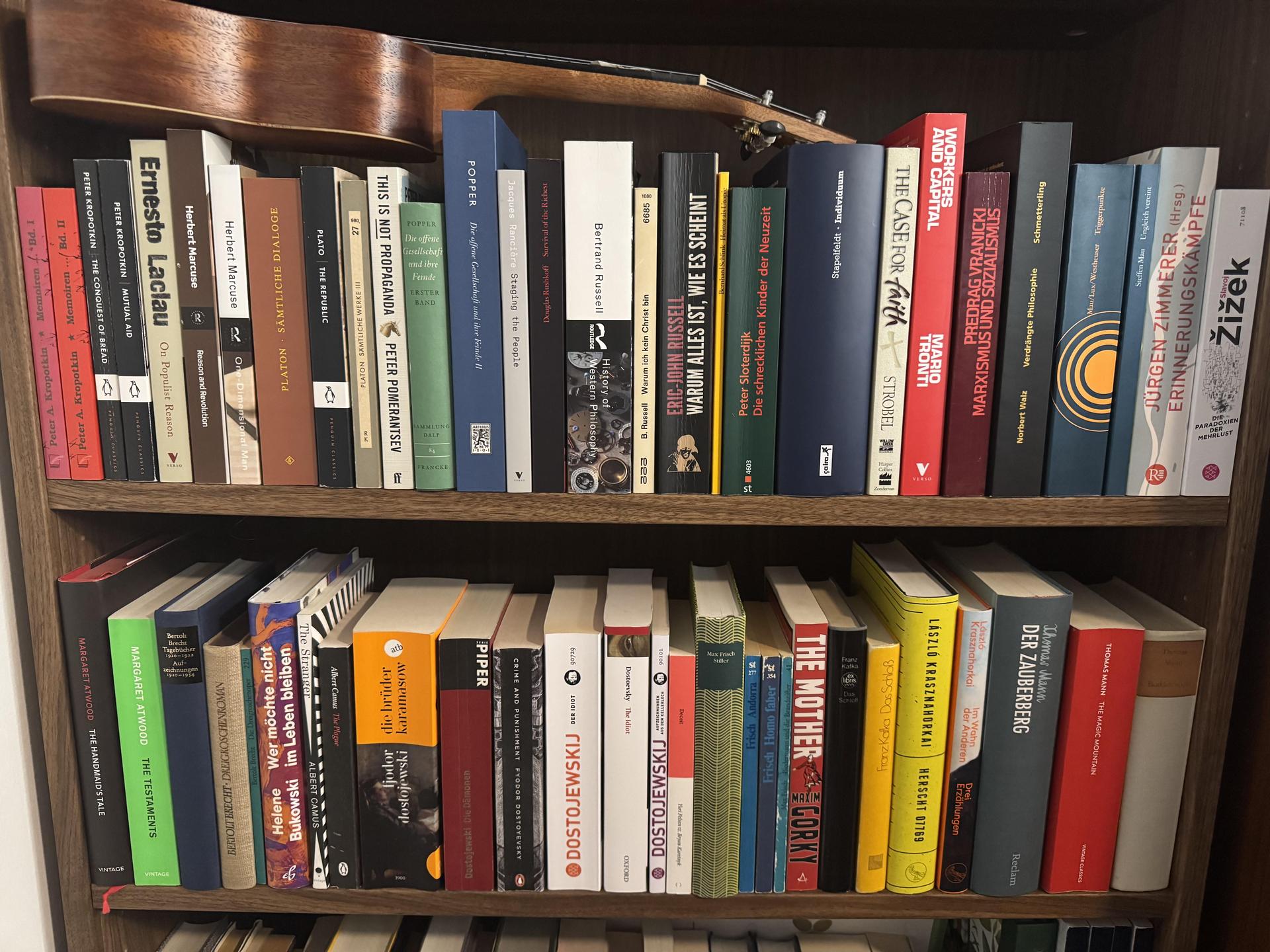
The Conquest of Bread
by Peter Kropotkin
The Conquest of Bread also known colloquially as The Bread Book, is an 1892 book by the Russian anarcho-communist Peter Kropotkin. Originally written in French, it first appeared as a series of articles in the anarchist journal Le Révolté. It was first published in Paris with a preface by Élisée Reclus, who also suggested the title. Between 1892 and 1894, it was serialized in part in the London journal Freedom, of which Kropotkin was a co-founder. In the work, Kropotkin points out what he considers to be the defects of the economic systems of feudalism and capitalism and why he believes they thrive on and maintain poverty and scarcity. He goes on to propose a more decentralized economic system based on mutual aid and voluntary cooperation, asserting that the tendencies for this kind of organization already exist, both in evolution and in human society. The Conquest of Bread has become a classic of political anarchist literature. It was heavily influential on both the Spanish Civil War and the Occupy movement
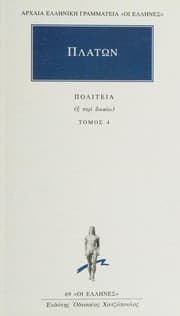
The Republic
Plato
by Plato
Plato's Republic has long defied classification: it is a philosophical masterpiece; it is acute political theory; it is great literature. Although certain inconsistencies have been subsequently discovered, philosophical and otherwise, there can be no doubt that The Republic is a work of genius. It has as its central problem the nature of justice. In a word, what is justice? From this common origin, however, the book divides at a broader level. There is first of all the mundane, represented in the first books by the refutation of proverbial morality and traditional society. But the middle books belong almost exclusively to pure philosophy. In these Plato examines the figure of the philosopher, metaphysics, and epistemology, an extended investigation that culminates in the allegory of the vision, visibility, and the sun as symbol of the good, or justice. It not until the delineation of the famous "Myth of the Cave" in Book VII, however, that the two realms: material and ideal, polity and philosophy, historical State and ideal State, virtue and ethics truly come together. The image of the liberated prisoner forsaking the light, compelled whether by force or obligation?Plato would say duty?to rejoin his companions in the murky darkness of the cave, is perhaps the key to the underlying unity of The Republic. It is in the individual that the two realms meet. Plato's aim, then, was to realize social and political stability on a foundation of moral and spiritual absolutes by which every man may live.
These books are No Strangers
These books sit together on 4 different collections in our database