Shelfology Book Pairing
To The Lighthouse
Virginia Woolf
by Virginia Woolf
To the Lighthouse is a deeply introspective novel that explores memory, perception, and the passage of time through the lens of the Ramsay family and their interactions on the Isle of Skye. Virginia Woolf employs her signature stream-of-consciousness technique to examine the fluidity of human thought and the impermanence of experience, capturing the fleeting nature of emotions, relationships, and artistic creation. The novel meditates on themes of loss, longing, and the search for meaning in a world shaped by both external events and inner consciousness. Since its publication, To the Lighthouse has been regarded as one of Woolf's most innovative works, celebrated for its lyrical prose and psychological depth. Its portrayal of subjective reality and shifting perspectives challenges traditional narrative forms, offering a profound commentary on time, memory, and artistic legacy. The novel's exploration of gender roles, particularly through the figures of Mrs. Ramsay and Lily Briscoe, continues to spark discussions on creativity and societal expectations. The novel's lasting impact stems from its ability to capture the ephemeral nature of human experience while questioning the stability of identity and truth. By weaving together multiple perspectives and moments in time, To the Lighthouse invites readers to reflect on the ways in which memory and perception shape both personal and collective histories.
The Great Gatsby
by F. Scott Fitzgerald
F. Scott Fitzgerald's "The Great Gatsby" is a poignant exploration of the American Dream during the Roaring Twenties, encapsulating the era's moral decadence and social stratification through the tragic story of Jay Gatsby. With its lyrical prose and nuanced character portrayals, Fitzgerald employs a modernist style that deftly combines rich symbolism with intricate narrative techniques, such as unreliable narration and a fragmented timeline. Set against the backdrop of opulent Long Island and the glaring reality of the 1920s, the novel invites readers to reflect on themes of wealth, love, and the disillusionment that often accompanies ambition. Fitzgerald, born in 1896 in Minnesota, was intimately acquainted with the oscillating fortunes of American society and the complexities of desire and aspiration. His own experiences with wealth, unrequited love, and the pursuit of success profoundly influenced his writing. "The Great Gatsby", published in 1925, embodies Fitzgerald's own struggles with identity and societal expectations, marking it as a semi-autobiographical reflection of his own tumultuous life. This masterful work is highly recommended for readers seeking both a deep literary engagement and a critical examination of American culture in the early 20th century. Fitzgerald's incisive commentary on human nature, combined with his exquisite prose, makes "The Great Gatsby" a timeless classic that continues to resonate with audiences today.
These books are a Natural Match
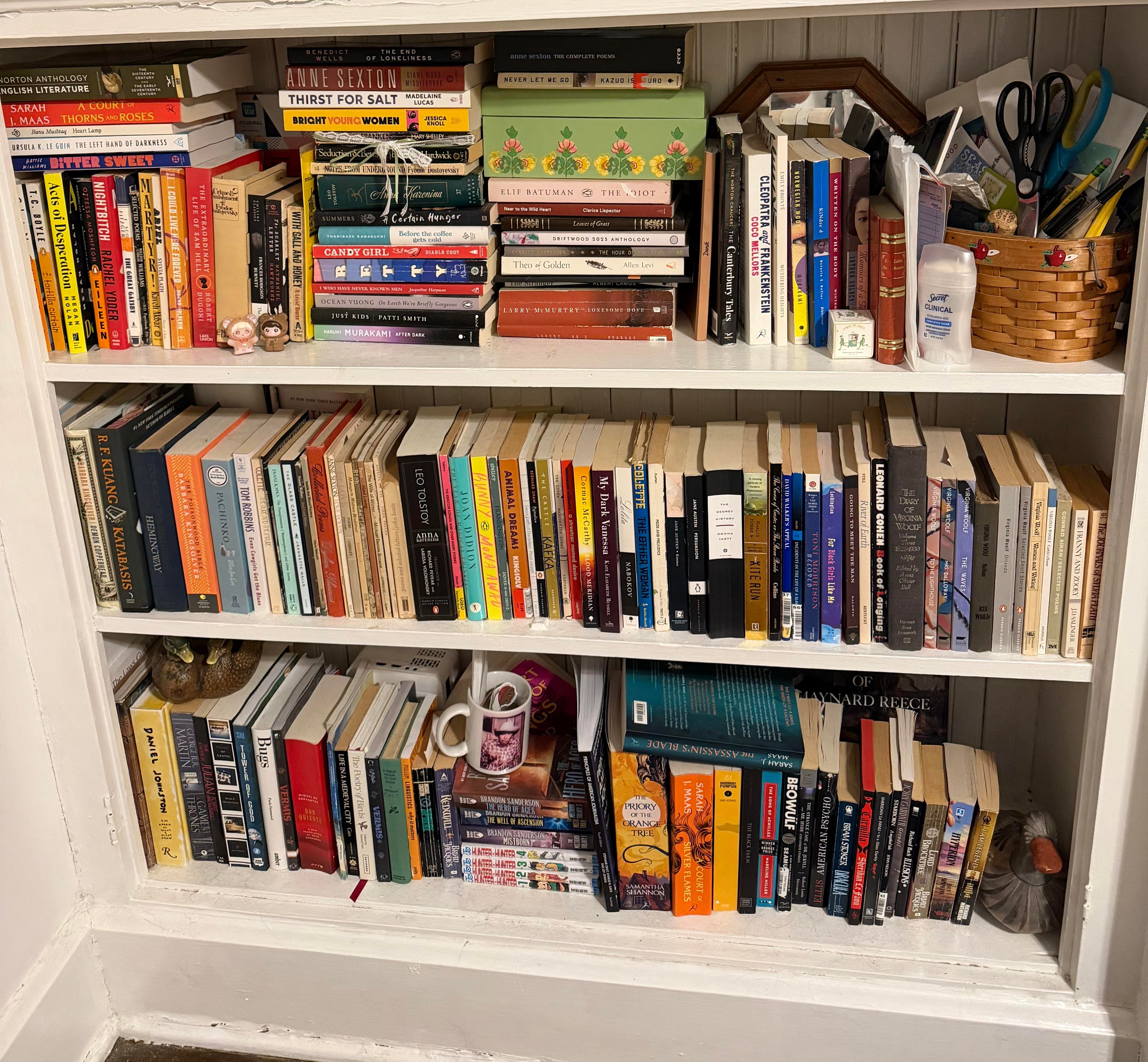
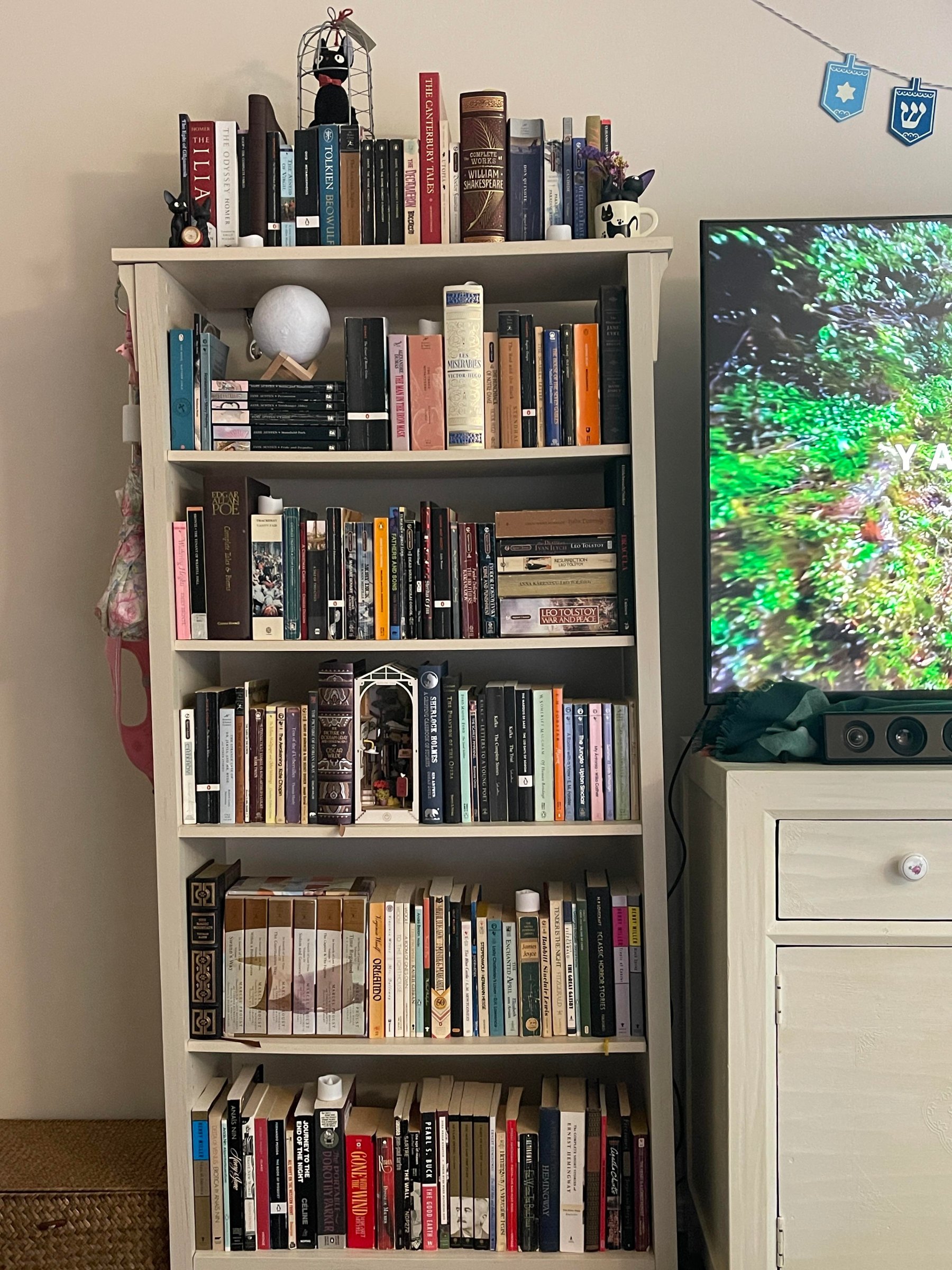
These books sit together on 12 different collections in our database