Shelfology Book Pairing
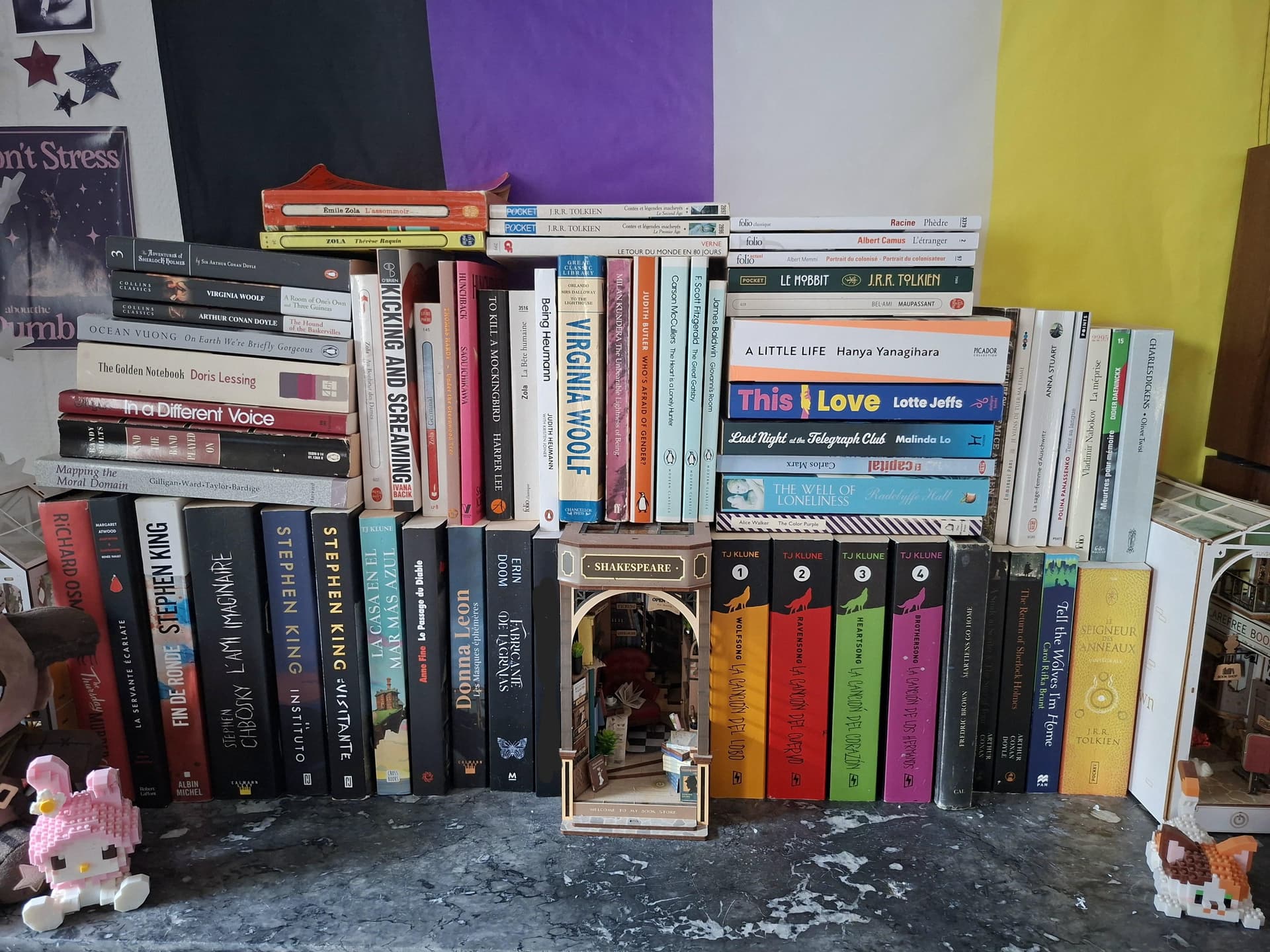
Who’s Afraid of Gender?
by Judith Butler
An Instant Sunday Times Bestseller 'A profoundly urgent intervention' Naomi Klein From one of the most influential thinkers of our time, an enlightening, essential account of how a fear of gender is fuelling reactionary politics around the world Judith Butler, the ground-breaking philosopher whose work has redefined how we think about gender and sexuality, confronts the attacks on gender that have become central to right-wing movements today. Global networks have formed ‘anti-gender ideology movements’ dedicated to circulating a fantasy that gender is a dangerous threat to families, local cultures, civilization – and even ‘man’ himself. Inflamed by the rhetoric of public figures, this movement has sought to abolish reproductive justice, undermine protections against violence, and strip trans and queer people of their rights. But what, exactly, is so disturbing about gender? In this vital, courageous book, Butler carefully examines how ‘gender’ has become a phantasm for emerging authoritarian regimes, fascist formations and transexclusionary feminists, and the concrete ways in which this phantasm works. Operating in tandem with deceptive accounts of critical race theory and xenophobic panics about migration, the anti-gender movement demonizes struggles for equality and leaves millions of people vulnerable to subjugation. An essential intervention into one of the most fraught issues of our moment, Who's Afraid of Gender? is a galvanizing call to make a broad coalition with all those who struggle for equality and fight injustice. Imagining new possibilities for freedom and solidarity, Butler offers us an essentially hopeful work that is both timely and timeless.
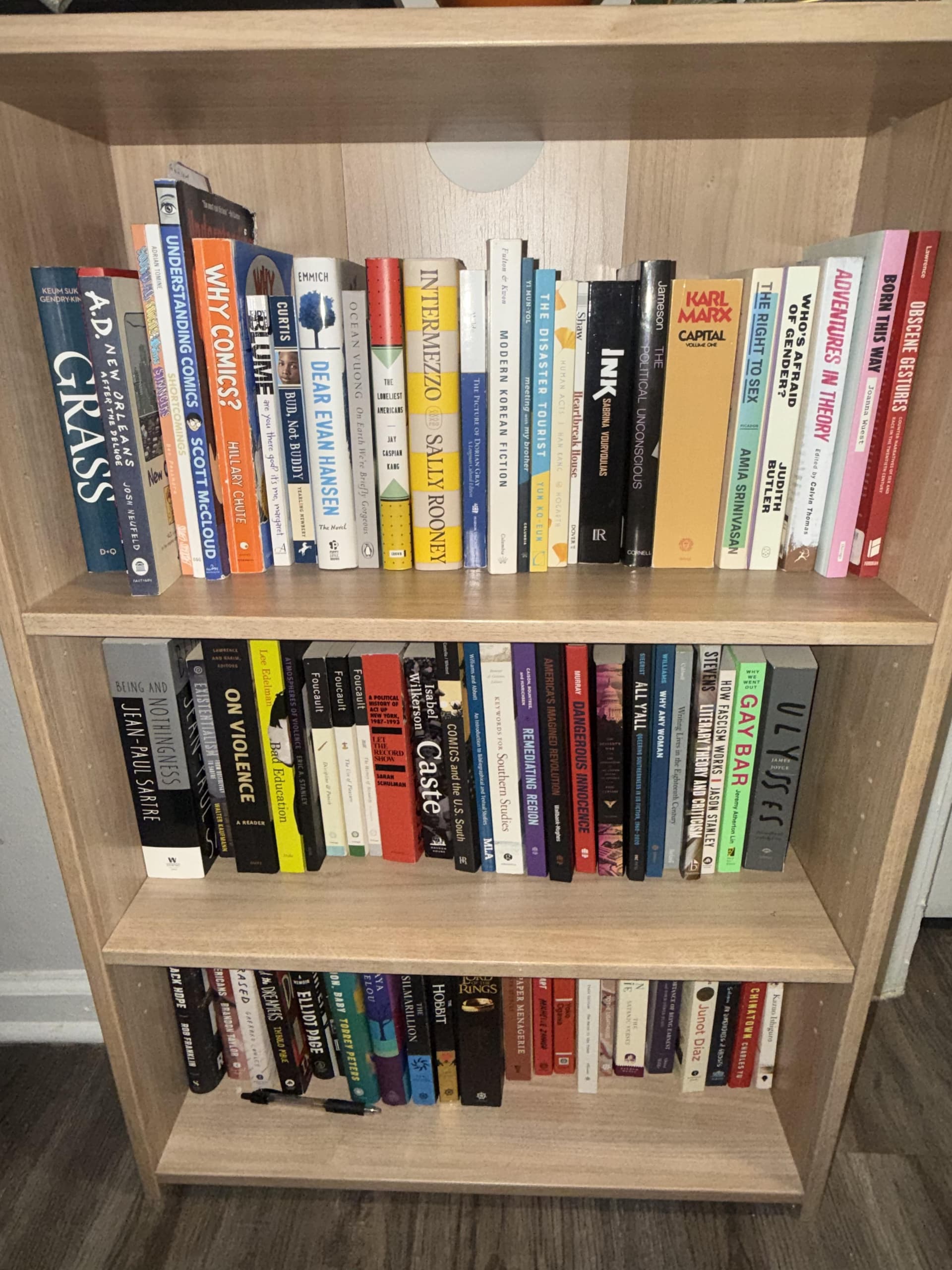
The Picture of Dorian Gray: Oscar Wilde (Classics, Literature) Annotated
by Oscar Wilde
The Picture of Dorian Gray is the story of one beautiful, innocent young man''s seduction, moral corruption, and eventual downfall. We meet our three central characters at the beginning of the book, when painter Basil Hallward and his close friend, Lord Henry Wotton, are discussing the subject of Basil''s newest painting, a gorgeous young thing named Dorian Gray. Basil and Henry discuss just how perfectly perfect Dorian is--he''s totally innocent and completely good, as well as being the most beautiful guy ever to walk the earth. Lord Henry wants to meet this mysterious boy, but Basil doesn''t want him to; for some reason, he''s afraid of what will happen to Dorian if Lord Henry digs his claws into him. However, Lord Henry gets his wish--Dorian shows up that very afternoon, and, over the course of the day, Henry manages to totally change Dorian''s perspective on the world. From that point on, Dorian''s previously innocent point of view is dramatically different--he begins to see life as Lord Henry does, as a succession of pleasures in which questions of good and evil are irrelevant. Basil finishes his portrait of Dorian, and gives it to the young man, who keeps it in his home, where he can admire his own beauty. Lord Henry continues to exert his influence over Dorian, to Basil''s dismay. Dorian grows more and more distant from Basil, his former best friend, and develops his own interests. One of these interests is Sybil Vane, a young, exceptionally beautiful, exceptionally talented--and exceptionally poor--actress. Though she''s stuck performing in a terrible, third-rate theatre, she''s a truly remarkable artist, and her talent and beauty win over Dorian. He falls dramatically in love with her, and she with him. For a moment, it seems like everything will turn out wonderfully. However, this is just the beginning of Dorian''s story. Once he and Sybil are engaged, her talent suddenly disappears--she''s so overcome with her passionate love for Dorian that none of her roles on stage seem important to her anymore. This destroys Dorian''s love for her, and he brutally dumps her. Back home, he notices a something different in his portrait--it looks somehow crueler. In the meanwhile, the distraught Sybil commits suicide, just as Dorian decides to return to her and take back his terrible words. Sybil''s suicide changes everything. At first, Dorian feels horrible... but he rather quickly changes his tune. On Lord Henry''s suggestion, Dorian reads a mysterious "yellow book," a decadent French novel that makes him reevaluate his whole belief system. The protagonist of the book lives his life in pursuit of sensual pleasures, which intrigues Dorian. From this moment on, Dorian is a changed man. Dorian starts to live as hedonistically as his wicked mentor, Lord Henry, does. The only thing that documents this turn for the worst is the portrait, which alarmingly begins to exhibit the inward corruption of Dorian''s soul; the beautiful image changes, revealing new scars and physical flaws with each of Dorian''s dastardly actions. As years pass, the man in the picture grows more and more hideous, as Dorian himself stays unnaturally young and beautiful. Rumors start to spread about the various people whose lives Dorian has ruined, and his formerly good reputation is destroyed. On Dorian''s 38th birthday, he encounters Basil, who desperately asks his former friend if all the horrifying rumors about him are true. Dorian finally snaps and shows Basil the portrait, in which the horrible truth about his wicked nature is revealed. Basil recoils, and begs Dorian to pray for forgiveness. In response, Dorian murders Basil, stabbing him brutally. He blackmails another of his former friends into disposing of the body. Dorian retreats to an opium den after dealing with all of the evidence, where he encounters an enemy he didn''t know he had--Sybil Vane''s brother, James...
These books are No Strangers
These books sit together on 3 different collections in our database