Shelfology Book Pairing
Crime and Punishment
A Novel by the Russian Author Fyodor Dostoevsky
by Fyodor Dostoevsky
Fyodor Dostoevsky's classic tale of Rodion Raskolnikov, the murder he commits as an exploration of the human condition, and the crushing criminal and psychological consequences. The two years before he wrote Crime and Punishment (1866) had been bad ones for Dostoyevsky. His wife and brother had died; the magazine he and his brother had started, Epoch, collapsed under its load of debt; and he was threatened with debtor's prison. With an advance that he managed to wangle for an unwritten novel, he fled to Wiesbaden, hoping to win enough at the roulette table to get himself out of debt. Instead, he lost all his money; he had to pawn his clothes and beg friends for loans to pay his hotel bill and get back to Russia. One of his begging letters went to a magazine editor, asking for an advance on yet another unwritten novel - which he described as Crime and Punishment. One of the supreme masterpieces of world literature, Crime and Punishment catapulted Dostoyevsky to the forefront of Russian writers and into the ranks of the world's greatest novelists. Drawing upon experiences from his own prison days, the author recounts in feverish, compelling tones the story of Raskolnikov, an impoverished student tormented by his own nihilism, and the struggle between good and evil. Believing that he is above the law, and convinced that humanitarian ends justify vile means, he brutally murders an old woman - a pawnbroker whom he regards as "stupid, ailing, greedy...good for nothing." Overwhelmed afterwards by feelings of guilt and terror, Raskolnikov confesses to the crime and goes to prison. There he realizes that happiness and redemption can only be achieved through suffering. Infused with forceful religious, social, and philosophical elements, the novel was an immediate success. This extraordinary, unforgettable work is reprinted here in the authoritative Constance Garnett translation. Others novels and novellas by Dostoevsky are: (1846) Poor Folk (novella) (1846) The Double (novella) (1847) The Landlady (novella) (1849) Netochka Nezvanova (unfinished) (1859) Uncle's Dream (novella) (1859) The Village of Stepanchikovo (1861) Humiliated and Insulted (1862) The House of the Dead (1864) Notes from Underground (novella) (1866) Crime and Punishment (1867) The Gambler (novella) (1869) The Idiot (1870) The Eternal Husband (novella) (1872) Demons (also titled: The Possessed, The Devils) (1875) The Adolescent (1880) The Brothers Karamazov
The Stranger
(Annotated Edition)
by Albert Camus
The famous lines introducing Meursault's mother open the novel. He is not sure whether she had died today or yesterday since the telegram was not specific. Furthermore he does not really think it matters. He asks for two days off and takes the bus to the home he had put his mother in when he could no longer afford to take care of her. He sleeps on the way there. At the home, Meursault meets the director and the caretaker and is taken to see his mother. He chooses not to look at her and sits by her side as friends come to mourn during the night. He chats with the caretaker, naps, smokes, and has some coffee. In the morning, the funeral procession walks the hour into town for the ceremony. The sun is scorching and Meursault feels more oppressed by the heat than sad over his mother's death. Her fiancé Thomas Pérez however is in tears and must struggle to keep up by taking shortcuts. After the funeral, Meursault catches the bus home and looks forward to sleeping twelve hours.He wakes up the next day and realizes that it is a weekend and is not surprised his boss was annoyed. He gets up late and then decides to go to the beach where he loves to swim. Once there he sees a woman he used to be attracted to at work, Marie Cardona. They are instantly attracted and agree to see a movie later that night. Marie is surprised to hear that Meursault's mother died only yesterday. That night they see a comedy and go back to Meursault's. She is gone the next morning before Meursault gets up. He remembers that he hates Sundays because they are boring so he takes a nap. Finally he gets up, makes lunch and settles on the balcony to watch people pass. Different crowds move by throughout the day including families, soccer fans, and moviegoers. He eats dinner standing up, watches some more, and then moves inside when it gets colder and darker.
These books are a Natural Match
These books sit together on 19 different collections in our database
This pair was spotted together at:

Oct 23, 2026
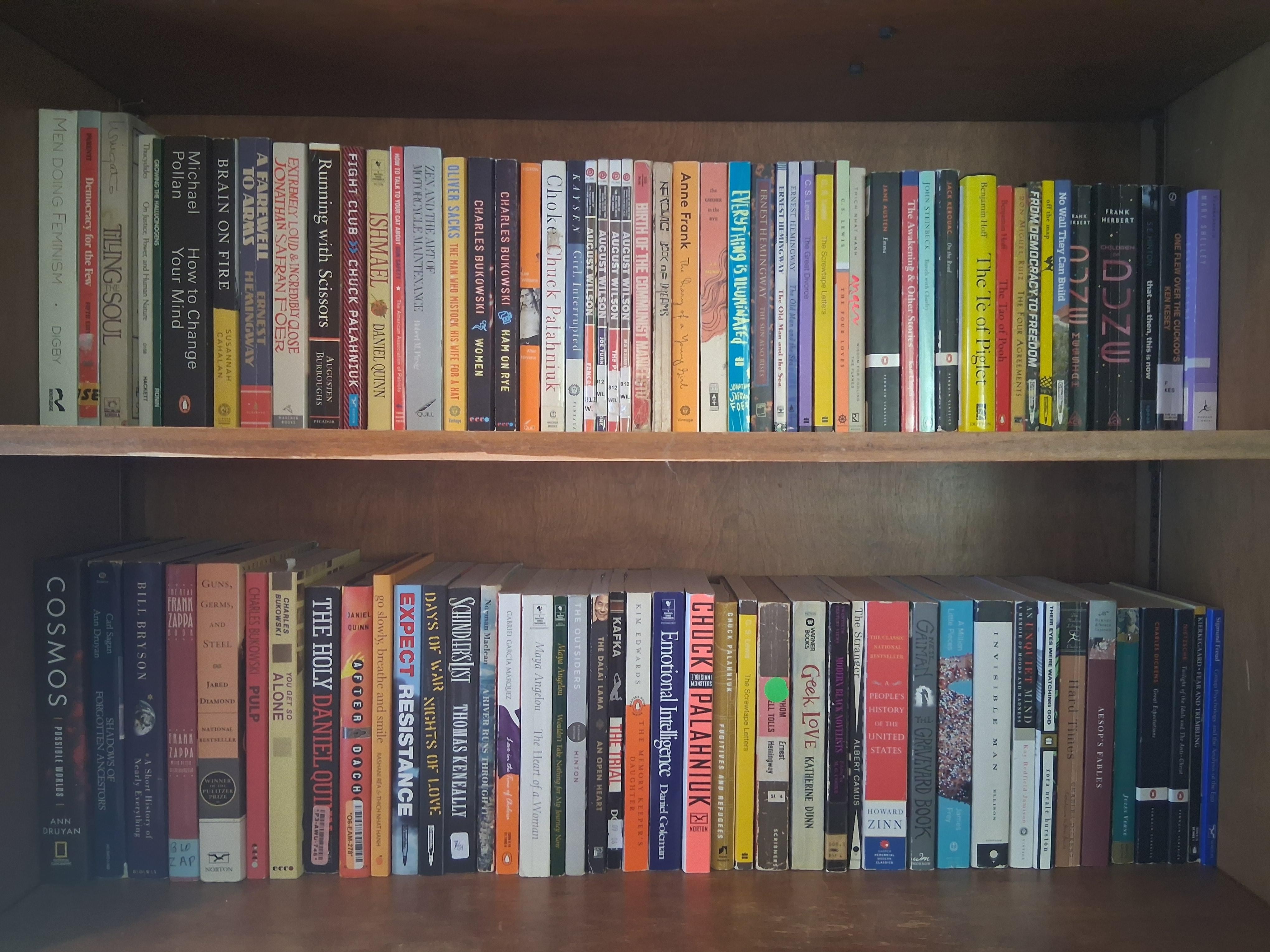
Oct 20, 2026
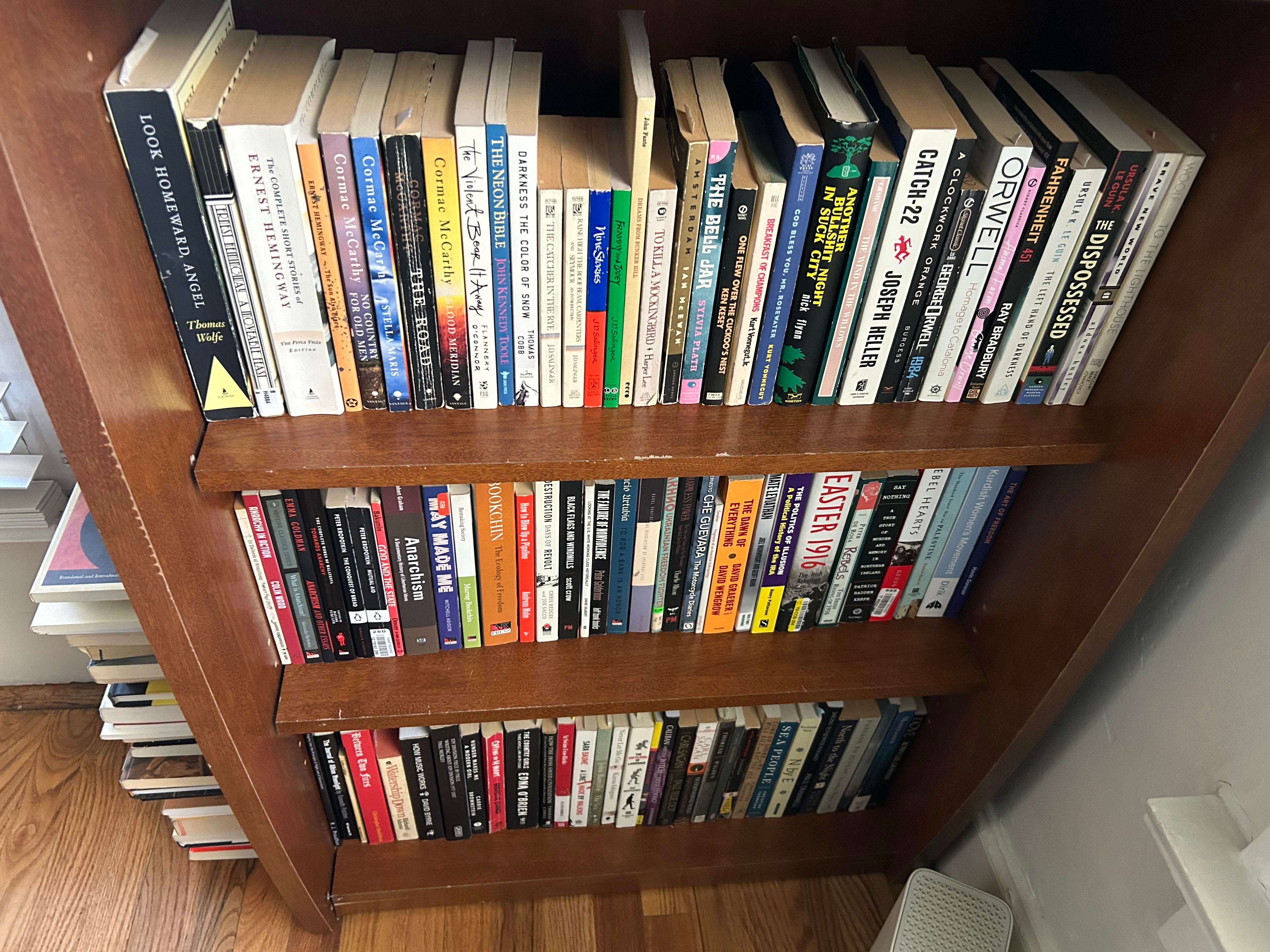
Oct 20, 2026
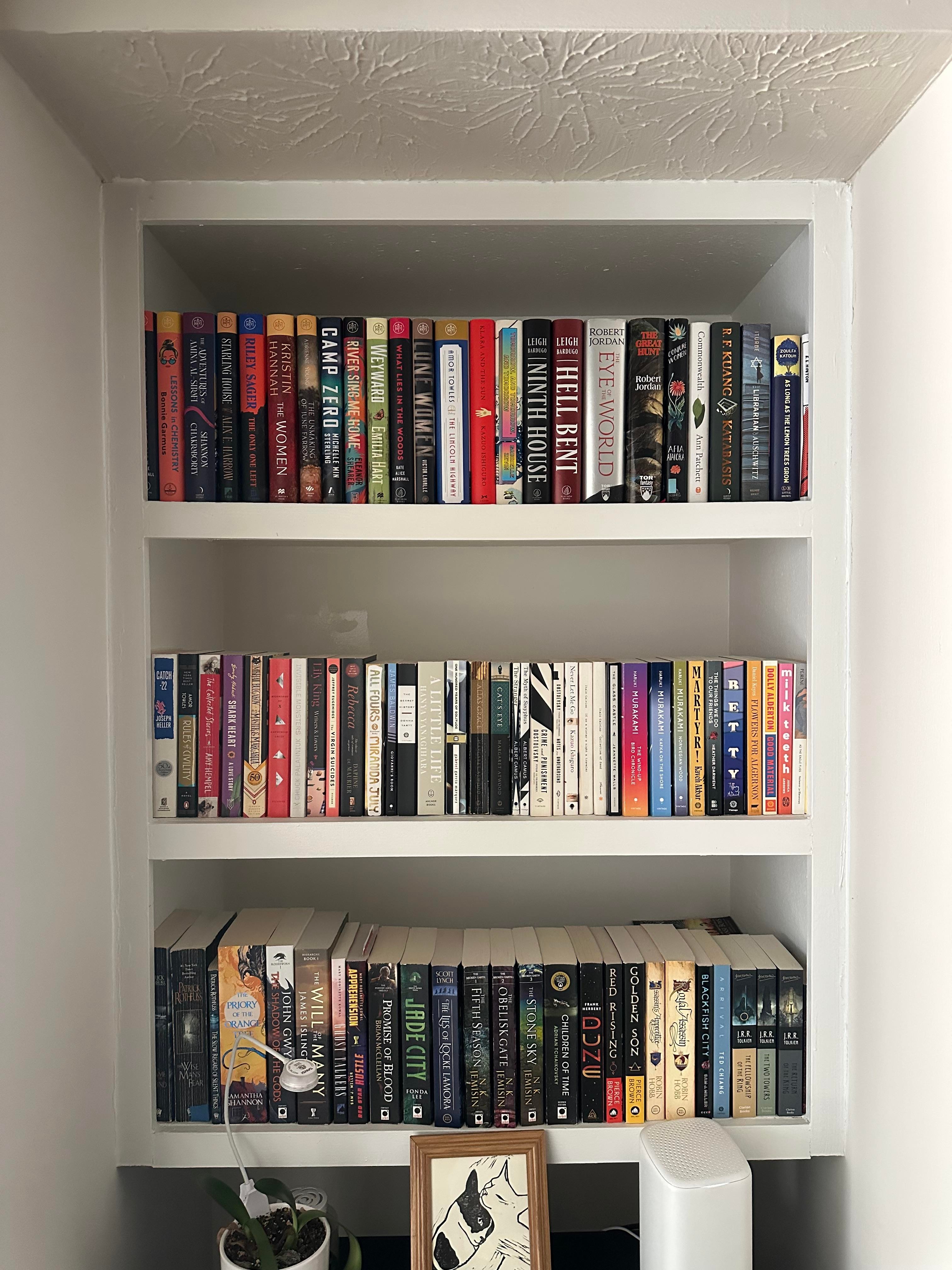
Oct 16, 2026
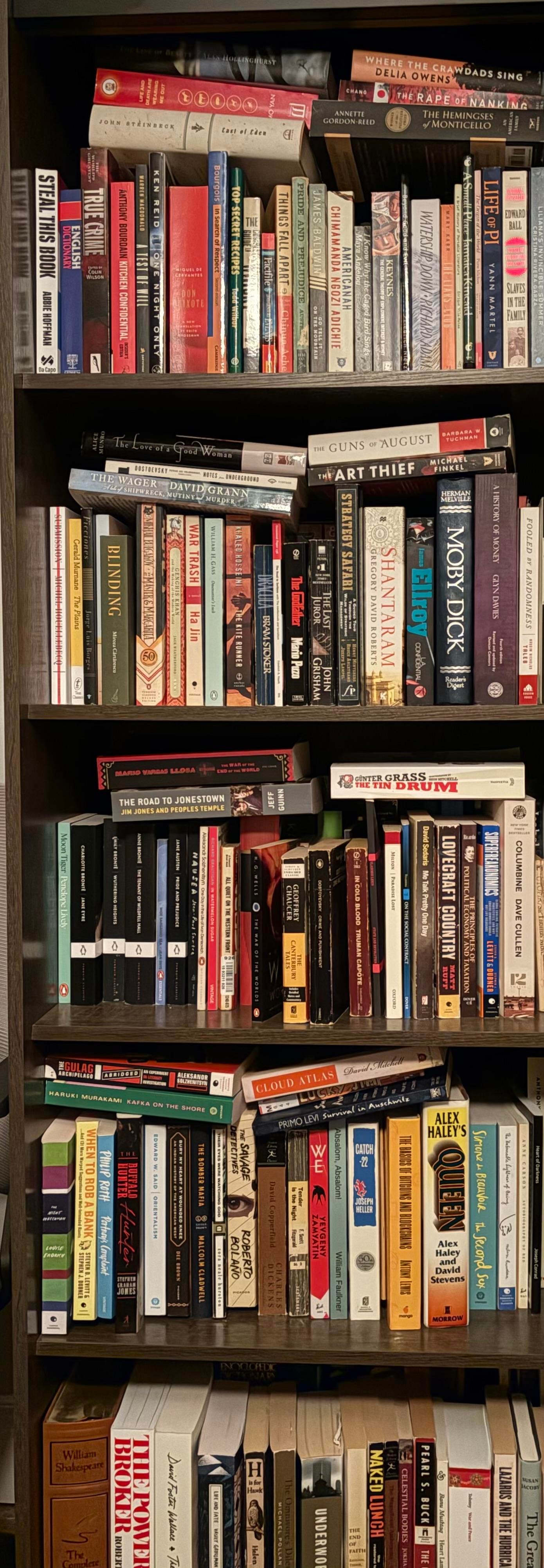
Oct 14, 2026

Oct 13, 2026
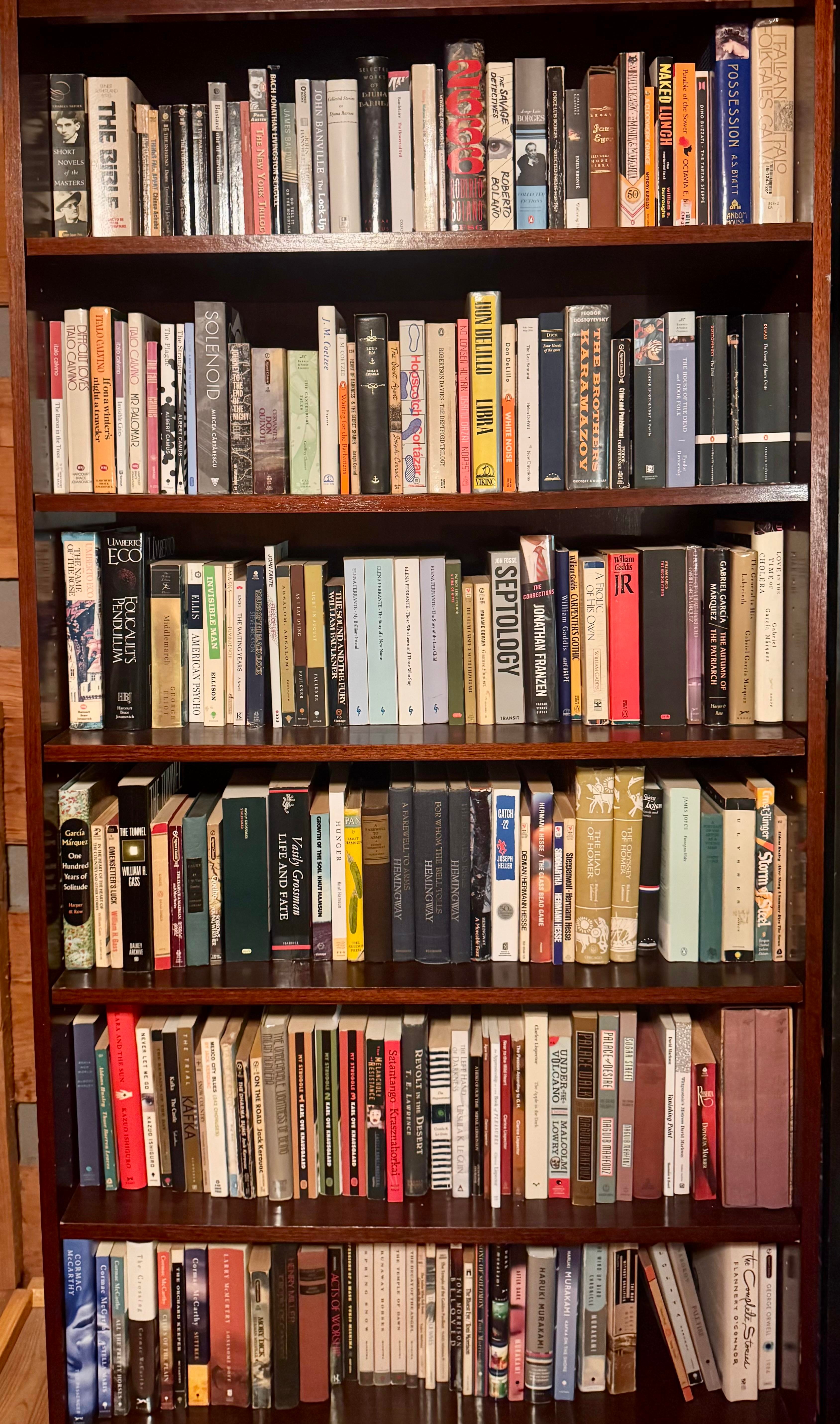
Sep 25, 2026
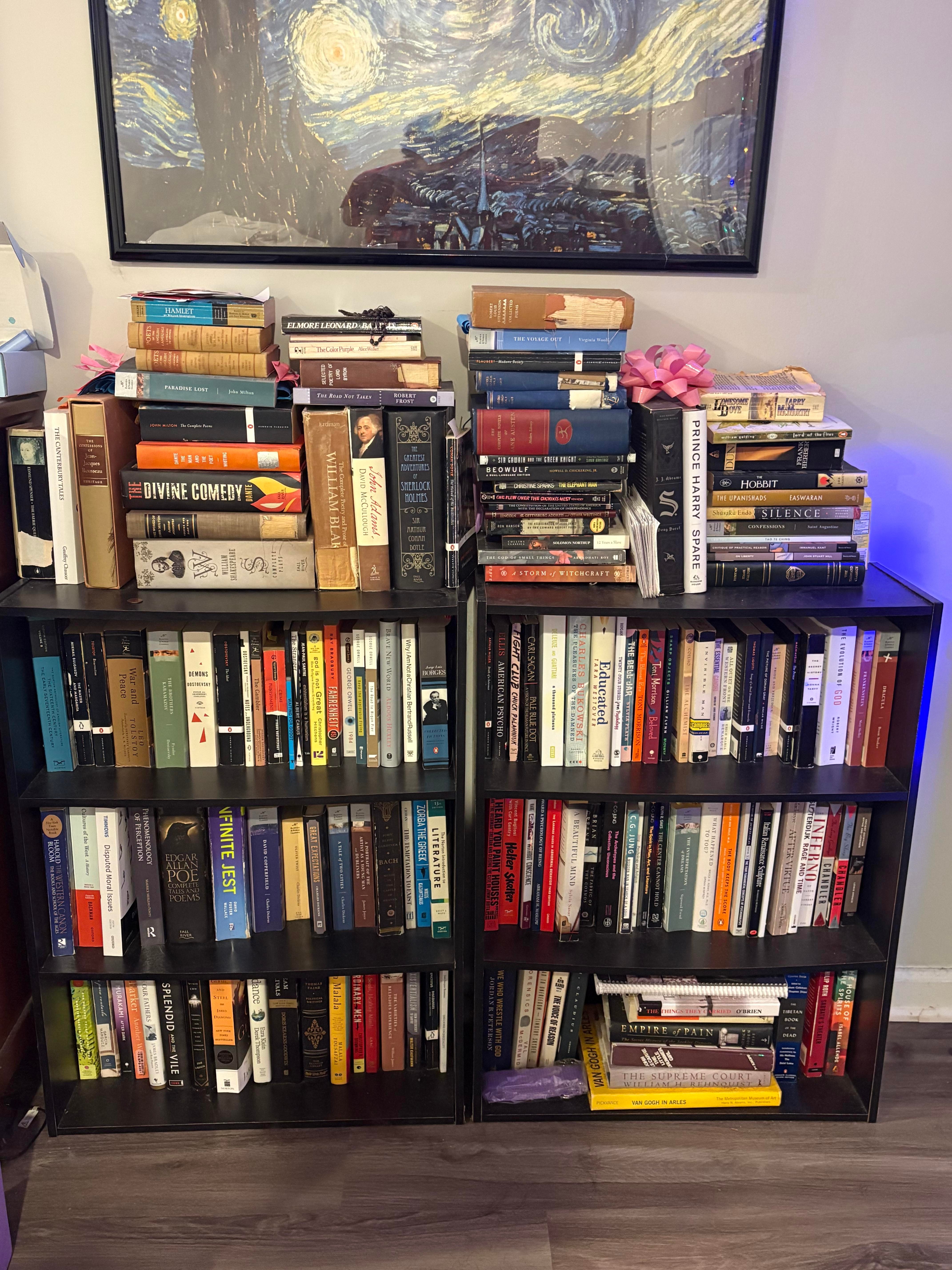
Sep 23, 2026
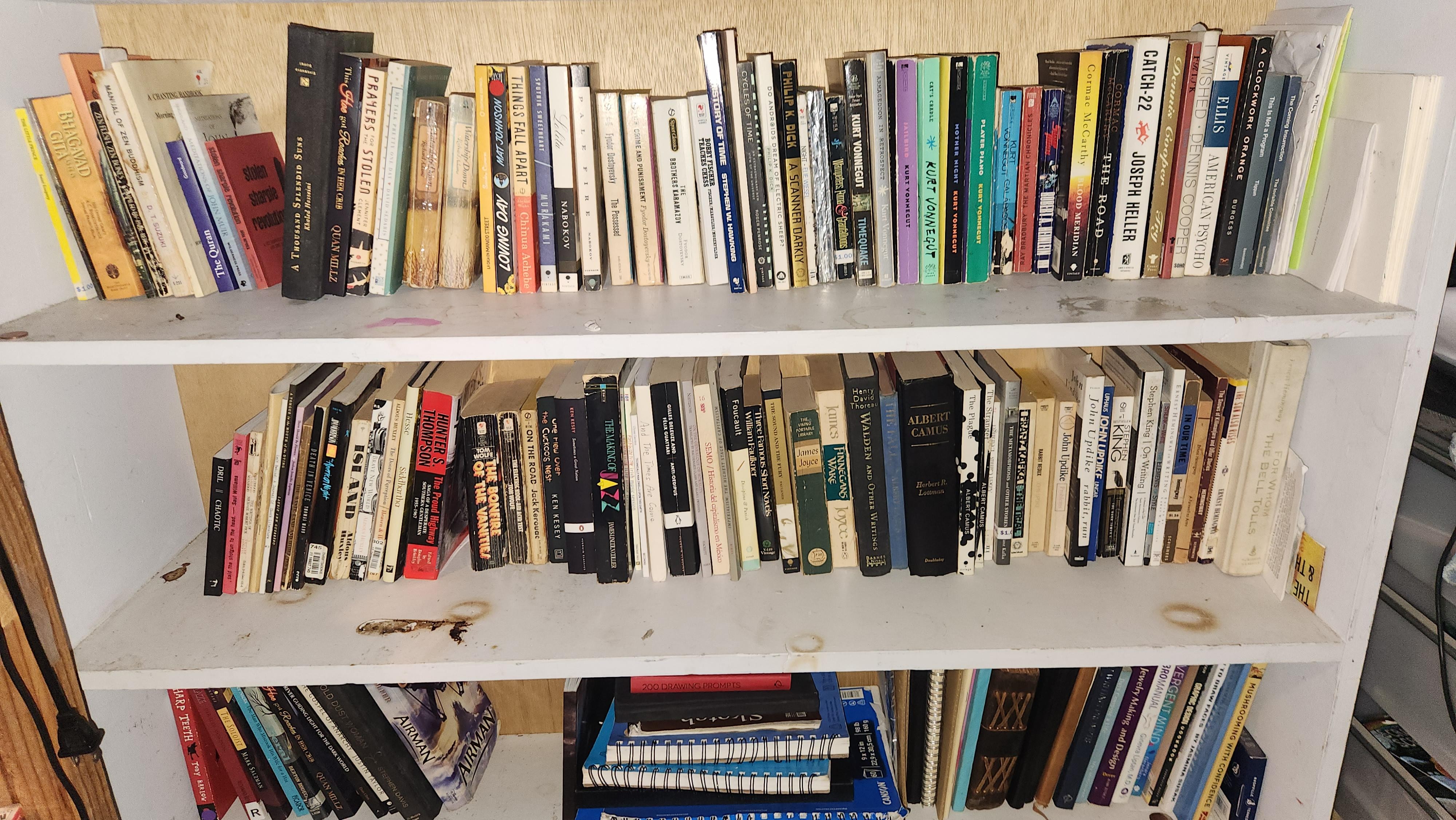
Sep 23, 2026
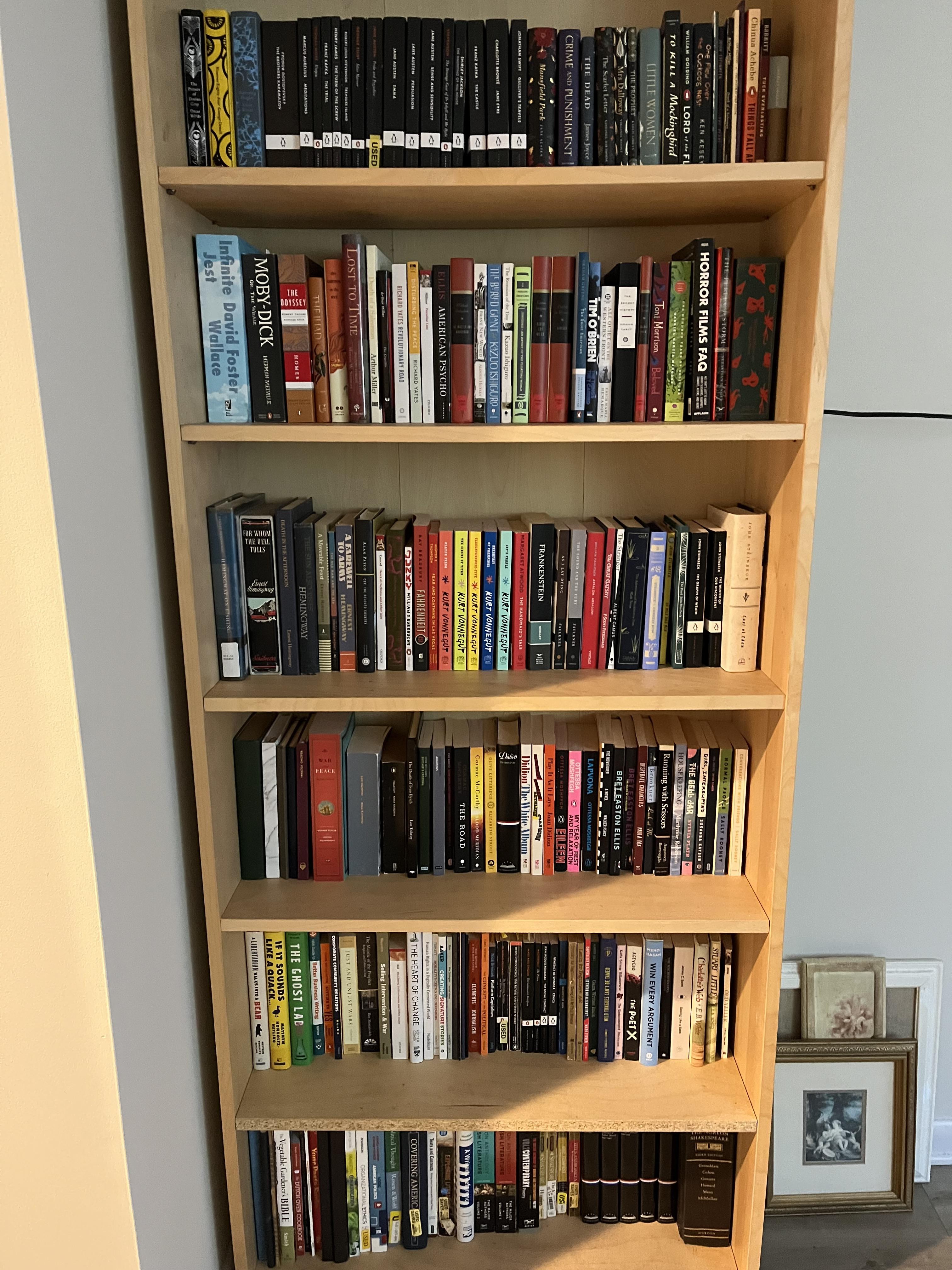
Sep 21, 2026
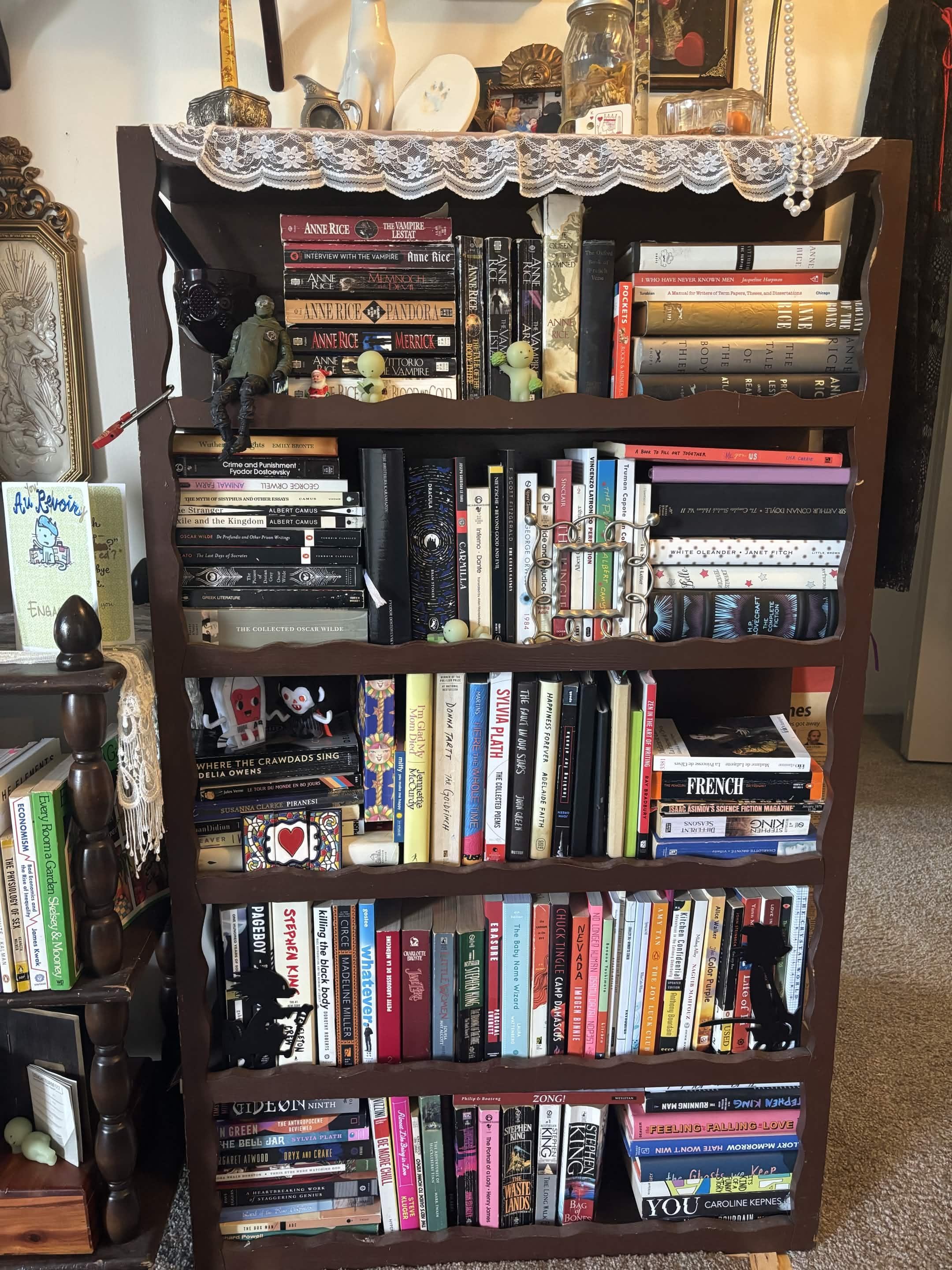
Sep 19, 2026
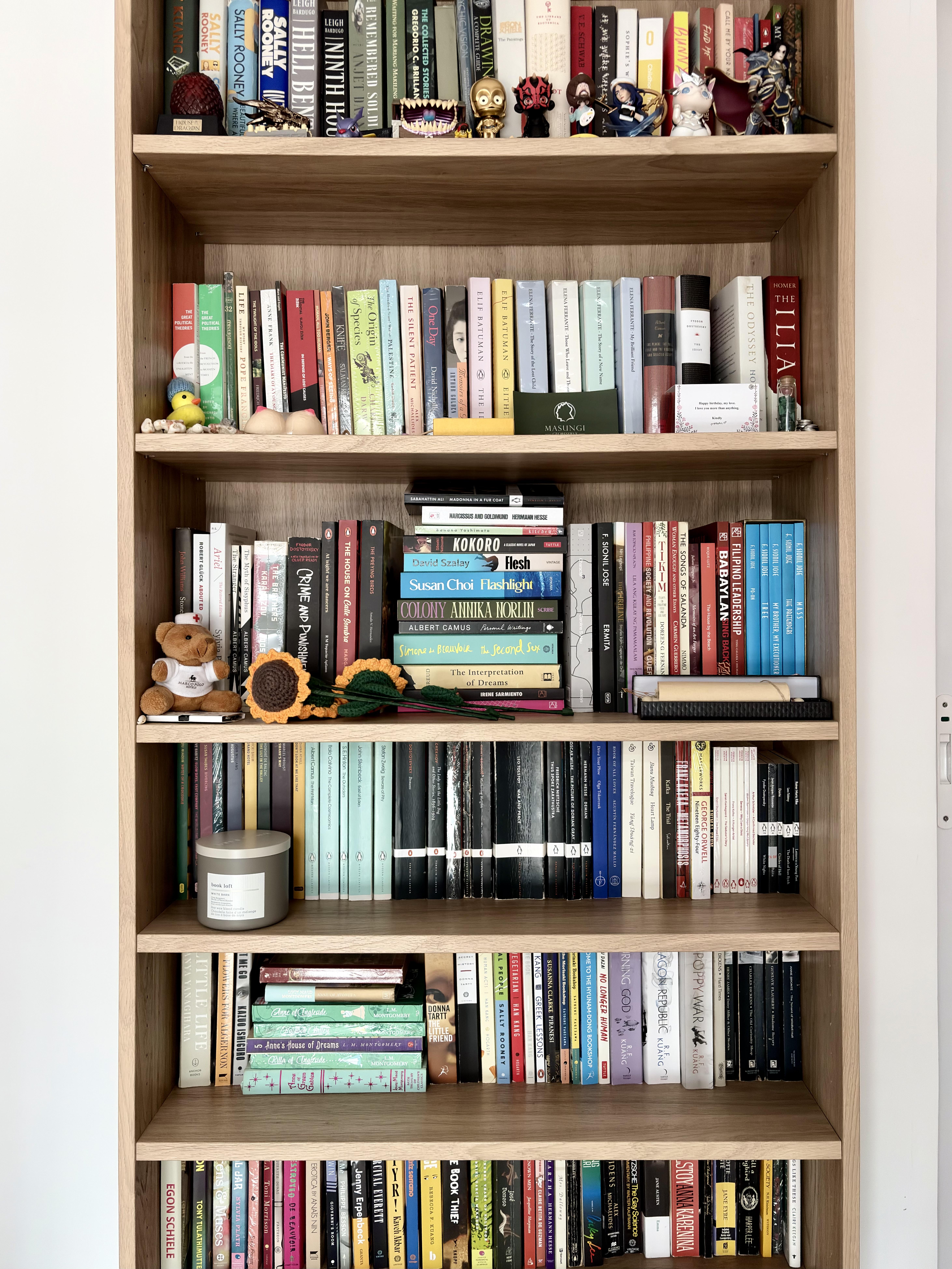
Aug 5, 2026
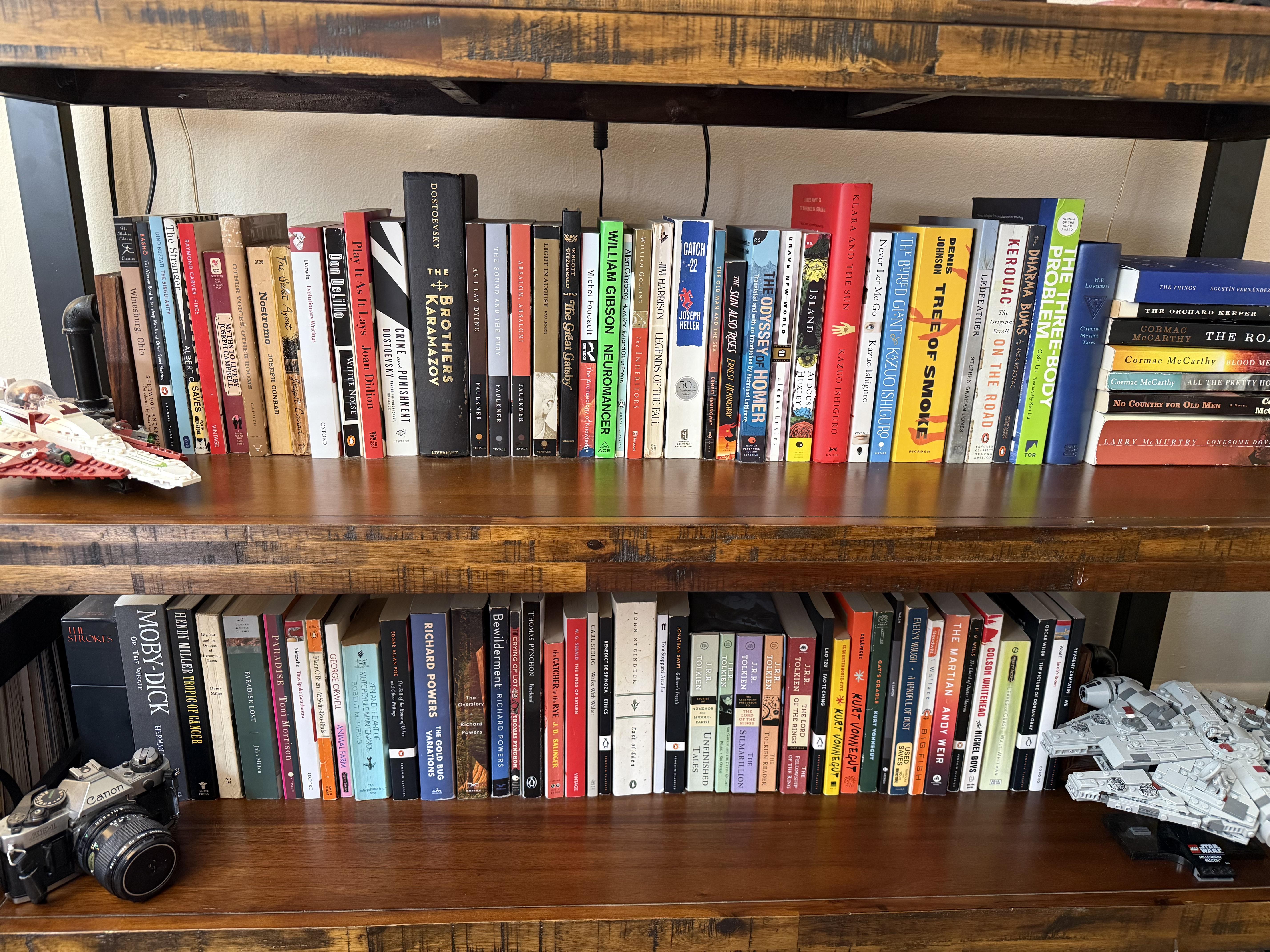
Aug 3, 2026
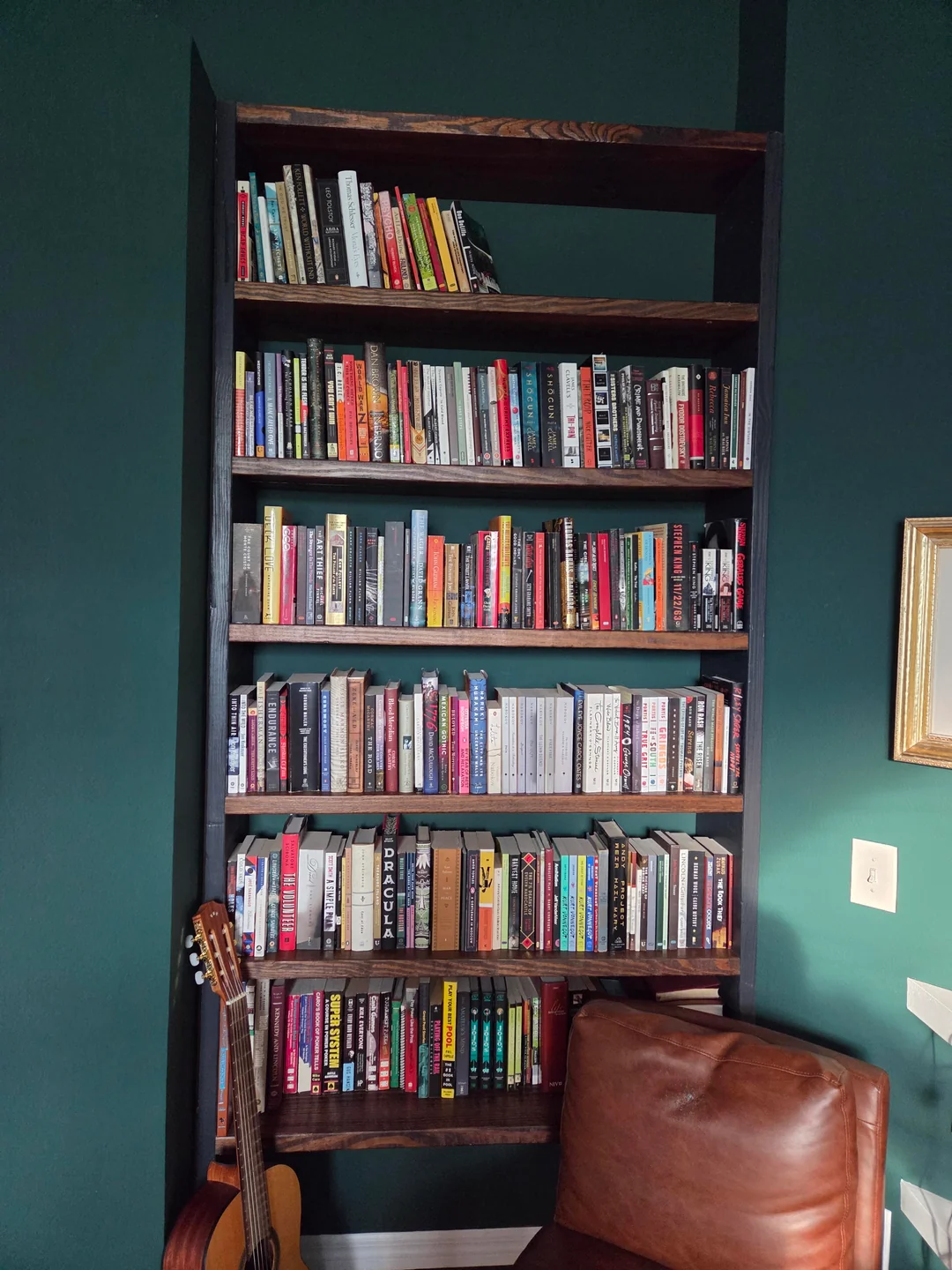
Jul 11, 2026
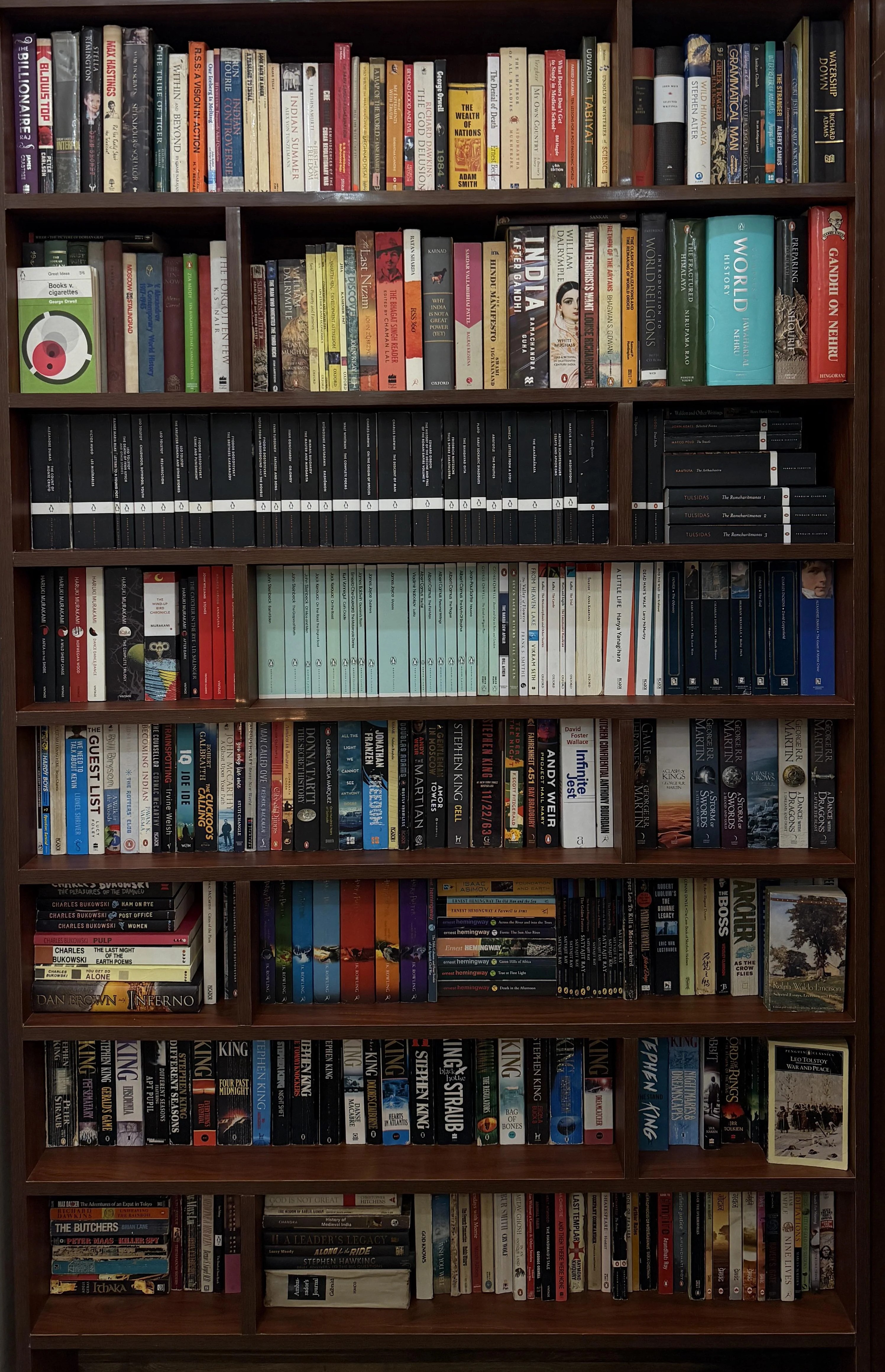
Jun 19, 2026
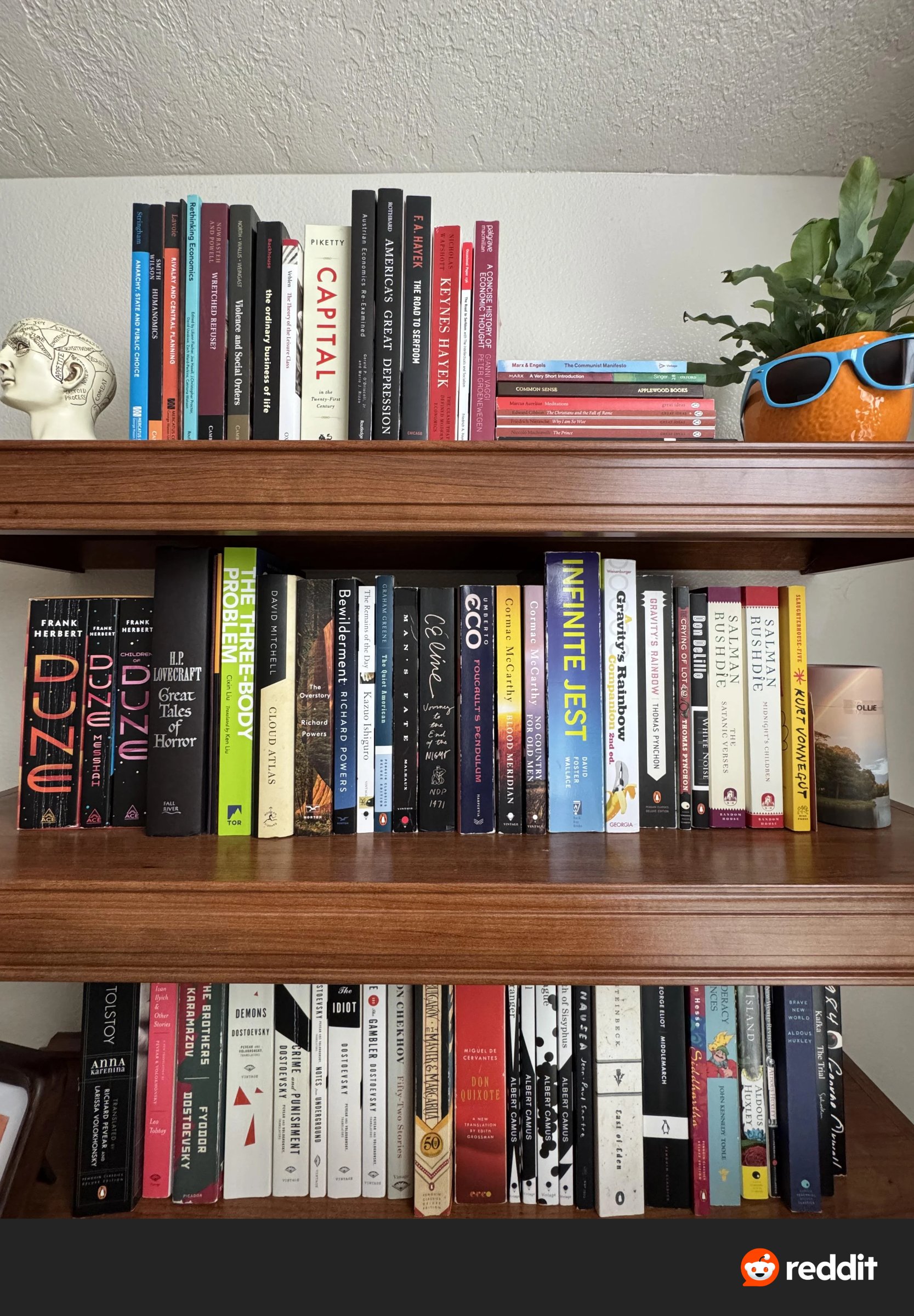
Jun 11, 2026
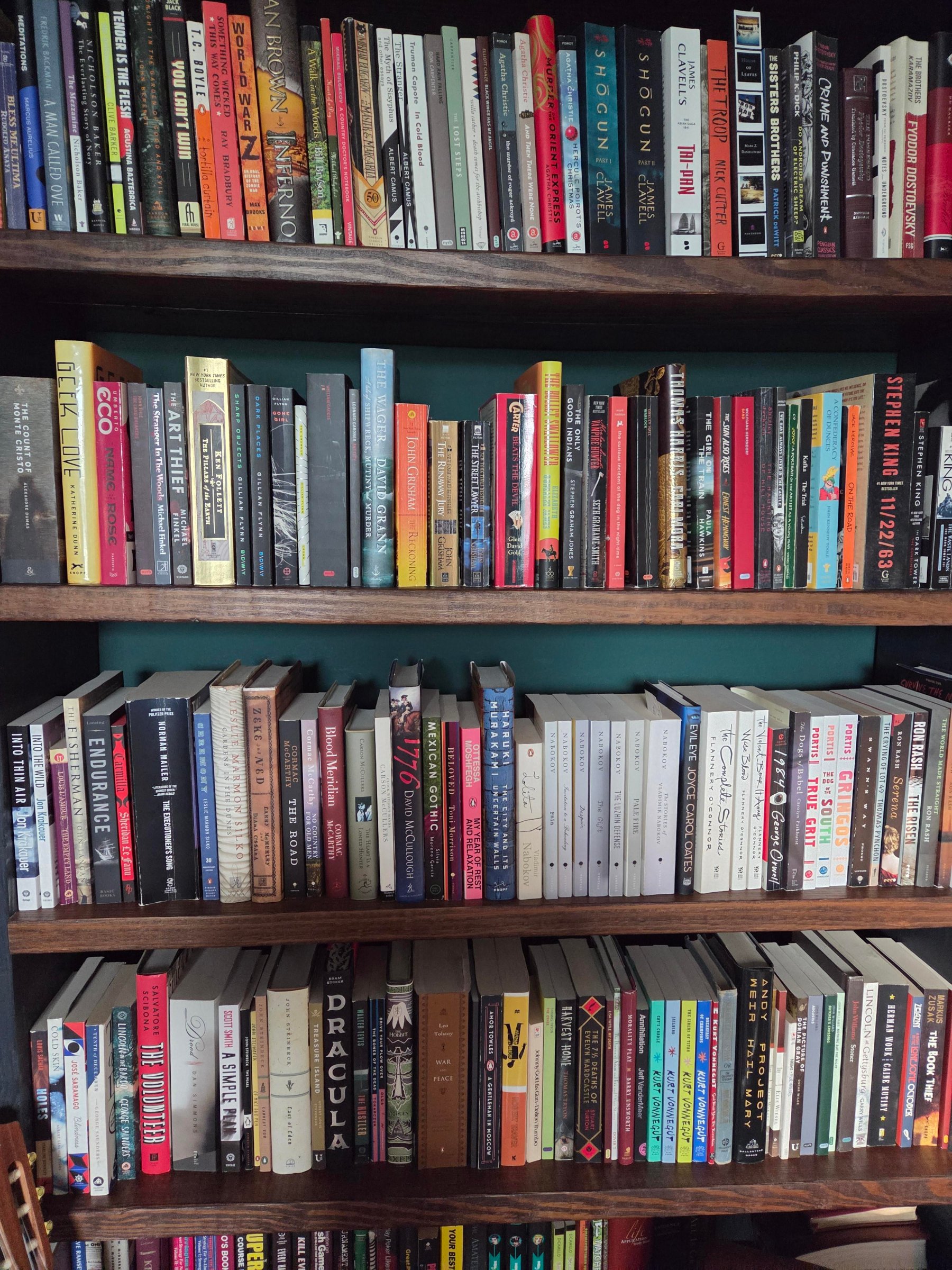
Jun 2, 2026
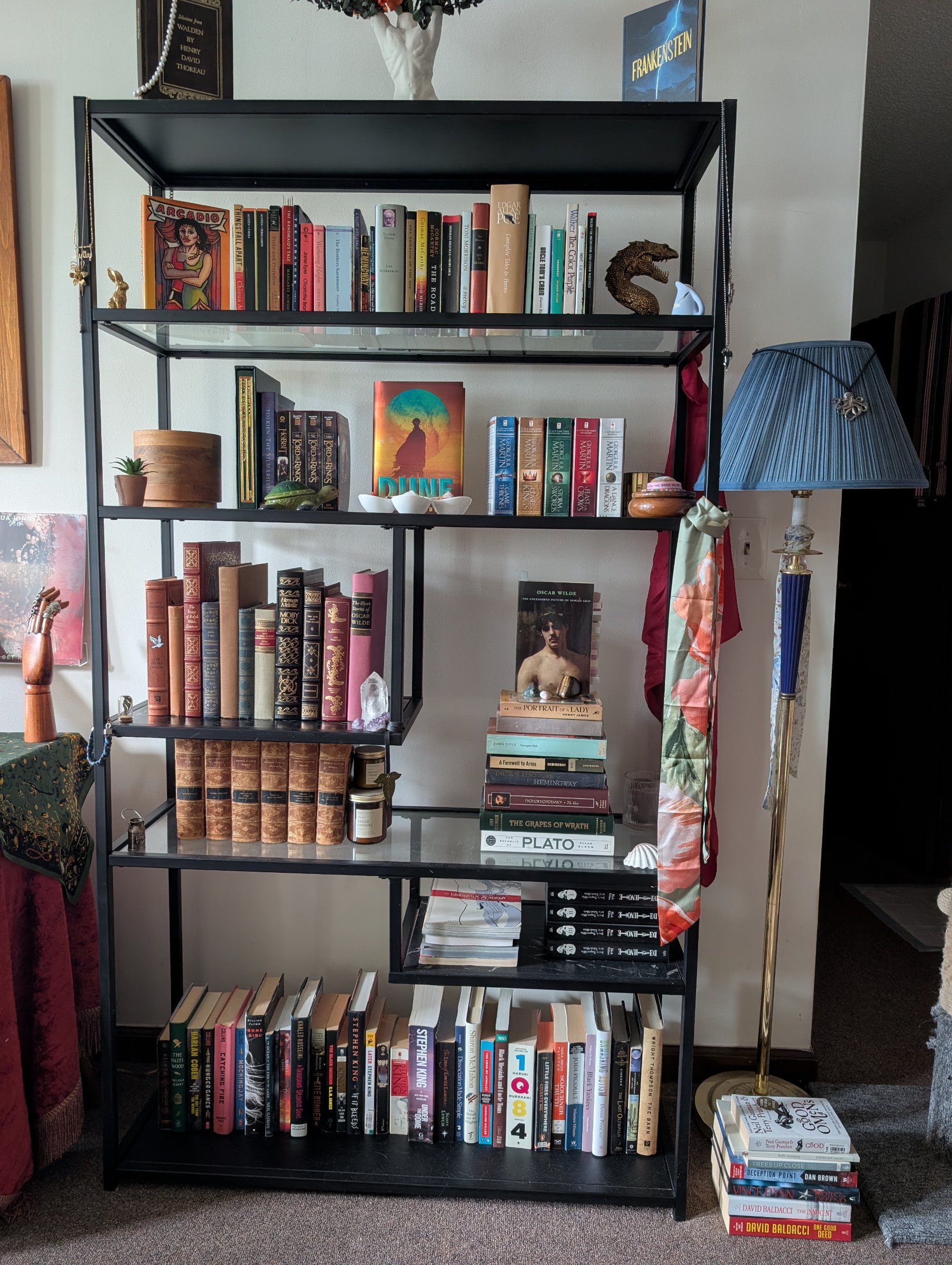
May 27, 2026
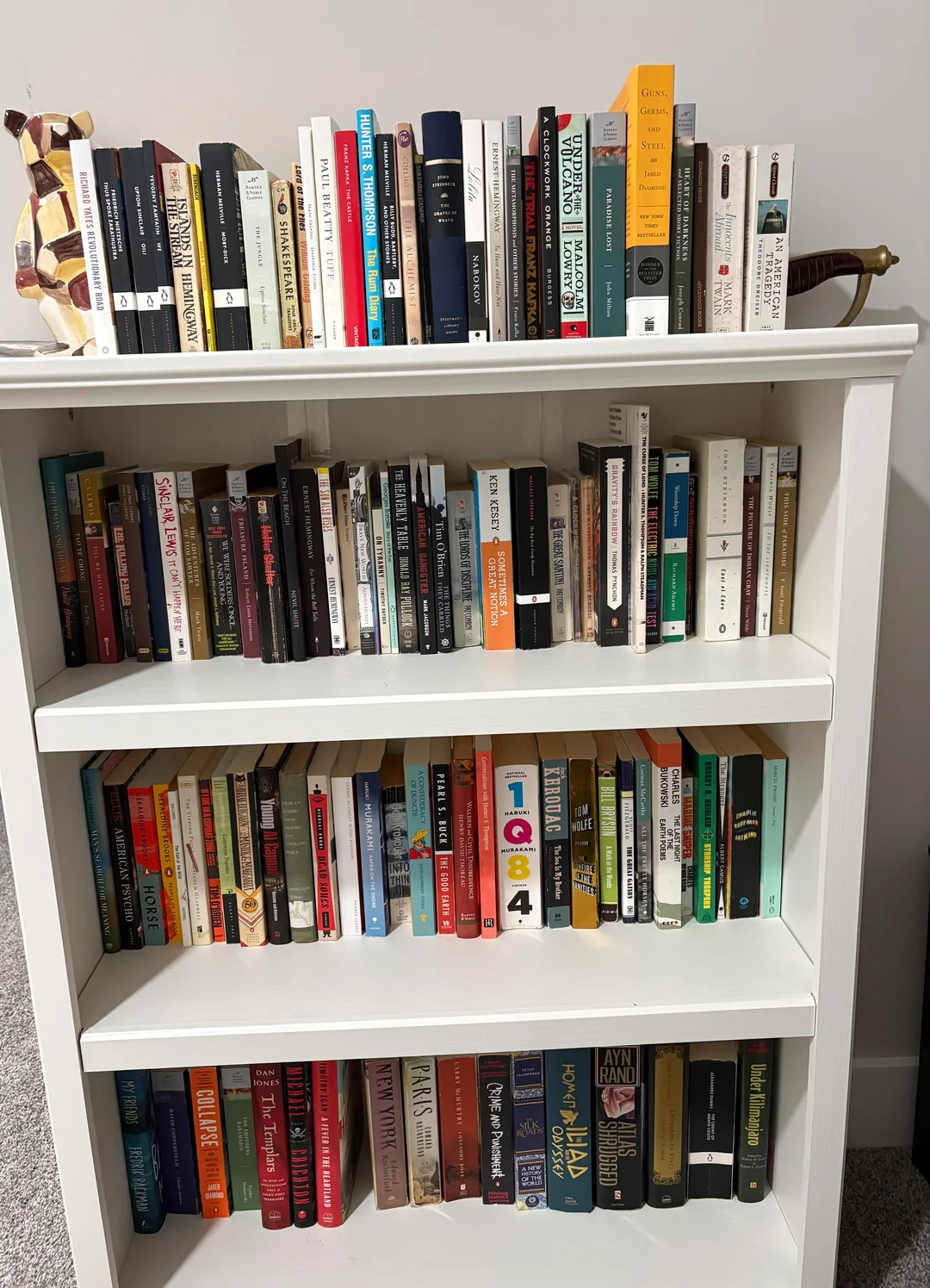
May 2, 2026