Shelfology Book Pairing
The "Art" of Rhetoric
by Aristotle
"The 'Art' of Rhetoric" is one of the most influential works on the art of persuasion ever written. Composed by the ancient Greek philosopher Aristotle, this foundational treatise establishes the systematic study of communication and oratory. Aristotle defines rhetoric not as a mere tool for manipulation, but as the ability to see what is possibly persuasive in every given case, making it a critical companion to the study of logic and ethics. The work explores the three essential pillars of effective discourse: ethos (the credibility of the speaker), pathos (the emotional state of the audience), and logos (the logical argument itself). Aristotle provides a meticulous analysis of human psychology, the nature of political and forensic oratory, and the structural elements of style and arrangement. He argues that rhetoric is a practical art, necessary for the defense of truth and justice in the public sphere. This enduring classic remains a vital resource for students of philosophy, law, politics, and media. By dissecting the mechanics of influence and the power of language, "The 'Art' of Rhetoric" offers timeless insights into how ideas are transmitted and how public opinion is shaped in a civil society. This work has been selected by scholars as being culturally important, and is part of the knowledge base of civilization as we know it. This work was reproduced from the original artifact, and remains as true to the original work as possible. Therefore, you may see the original copyright references, library stamps (as most of these works have been housed in our most important libraries around the world), and other notations in the work. This work is in the public domain in the United States of America, and possibly other nations. Within the United States, you may freely copy and distribute this work, as no entity (individual or corporate) has a copyright on the body of the work. As a reproduction of a historical artifact, this work may contain missing or blurred pages, poor pictures, errant marks, etc. Scholars believe, and we concur, that this work is important enough to be preserved, reproduced, and made generally available to the public. We appreciate your support of the preservation process, and thank you for being an important part of keeping this knowledge alive and relevant.
Don Quixote
by Miguel de Cervantes
Don Quixote or Spanish: fully titled The Ingenious Gentleman Don Quixote of La Mancha (Spanish: El ingenioso hidalgo don Quijote de la Mancha , is a Spanish novel by Miguel de Cervantes Saavedra. Published in two volumes, in 1605 and 1615, Don Quixote is considered the most influential work of literature from the Spanish Golden Age and the entire Spanish literary canon. As a founding work of modern Western literature and one of the earliest canonical novels, it regularly appears high on lists of the greatest works of fiction ever published, such as the Bokklubben World Library collection that cites Don Quixote as authors' choice for the "best literary work ever written".The story follows the adventures of a hidalgo named Mr. Alonso Quixano who reads so many chivalric romances that he loses his sanity and decides to set out to revive chivalry, undo wrongs, and bring justice to the world, under the name Don Quixote de la Mancha. He recruits a simple farmer, Sancho Panza, as his squire, who often employs a unique, earthy wit in dealing with Don Quixote's rhetorical orations on antiquated knighthood. Don Quixote, in the first part of the book, does not see the world for what it is and prefers to imagine that he is living out a knightly story. Throughout the novel, Cervantes uses such literary techniques as realism, metatheatre, and intertextuality. It had a major influence on the literary community, as evidenced by direct references in Alexandre Dumas' The Three Musketeers (1844), Mark Twain's Adventures of Huckleberry Finn (1884) and Edmond Rostand's Cyrano de Bergerac (1897), as well as the word "quixotic". Arthur Schopenhauer cited Don Quixote as one of the four greatest novels ever written, along with Tristram Shandy, La Nouvelle H�lo�se and Wilhelm Meister.
These books are No Strangers
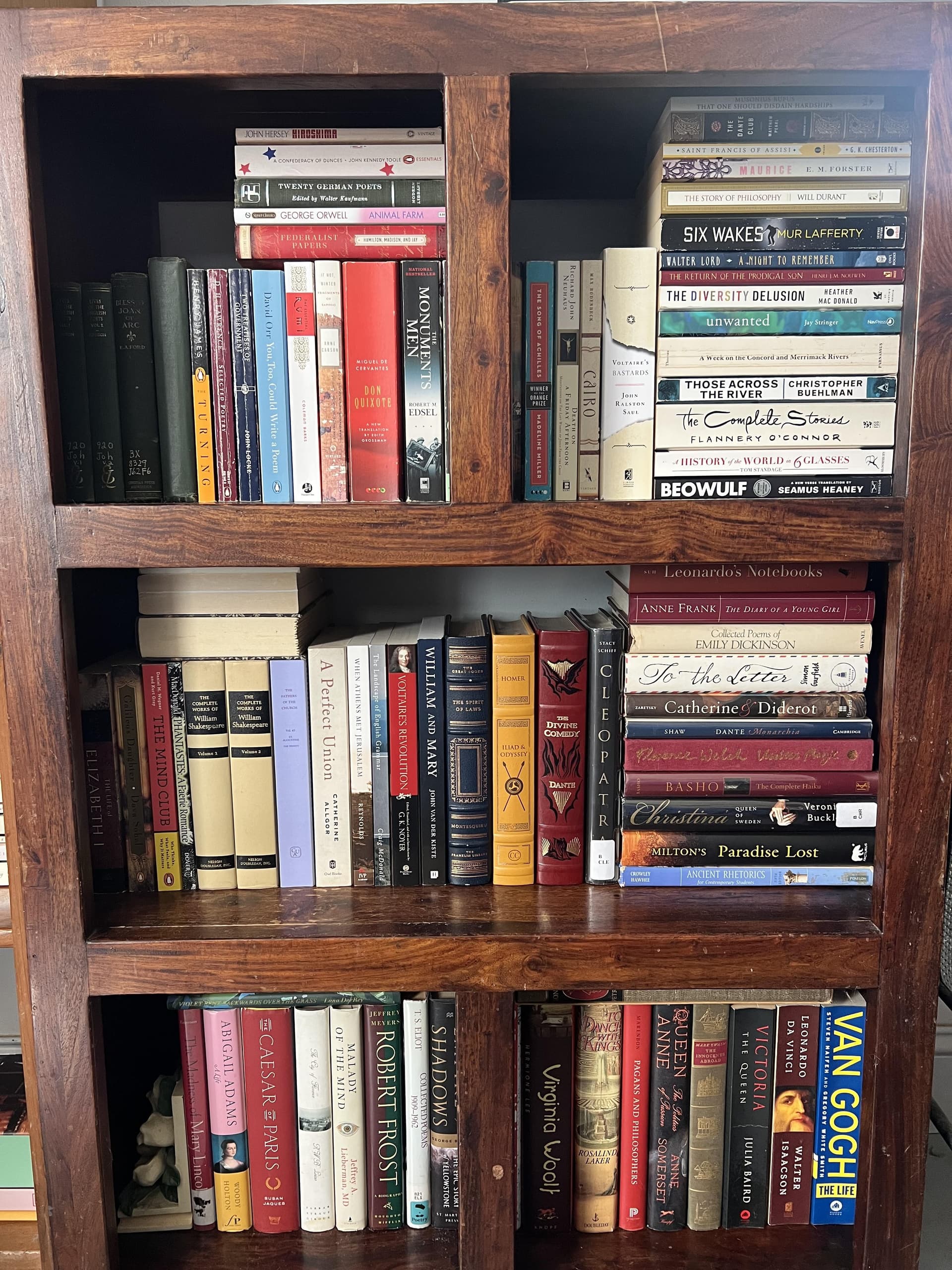
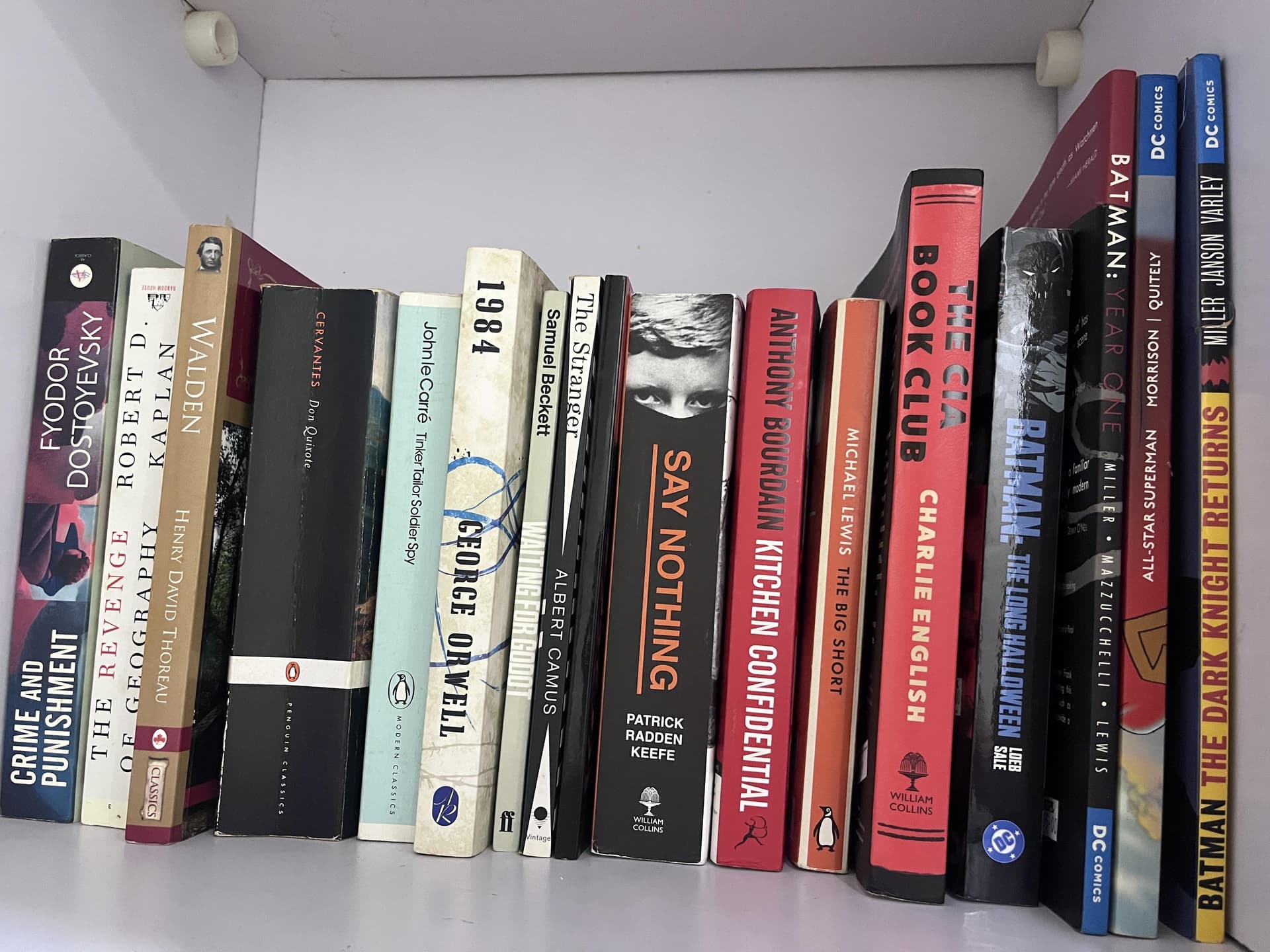
These books sit together on 4 different collections in our database