Shelfology Book Pairing
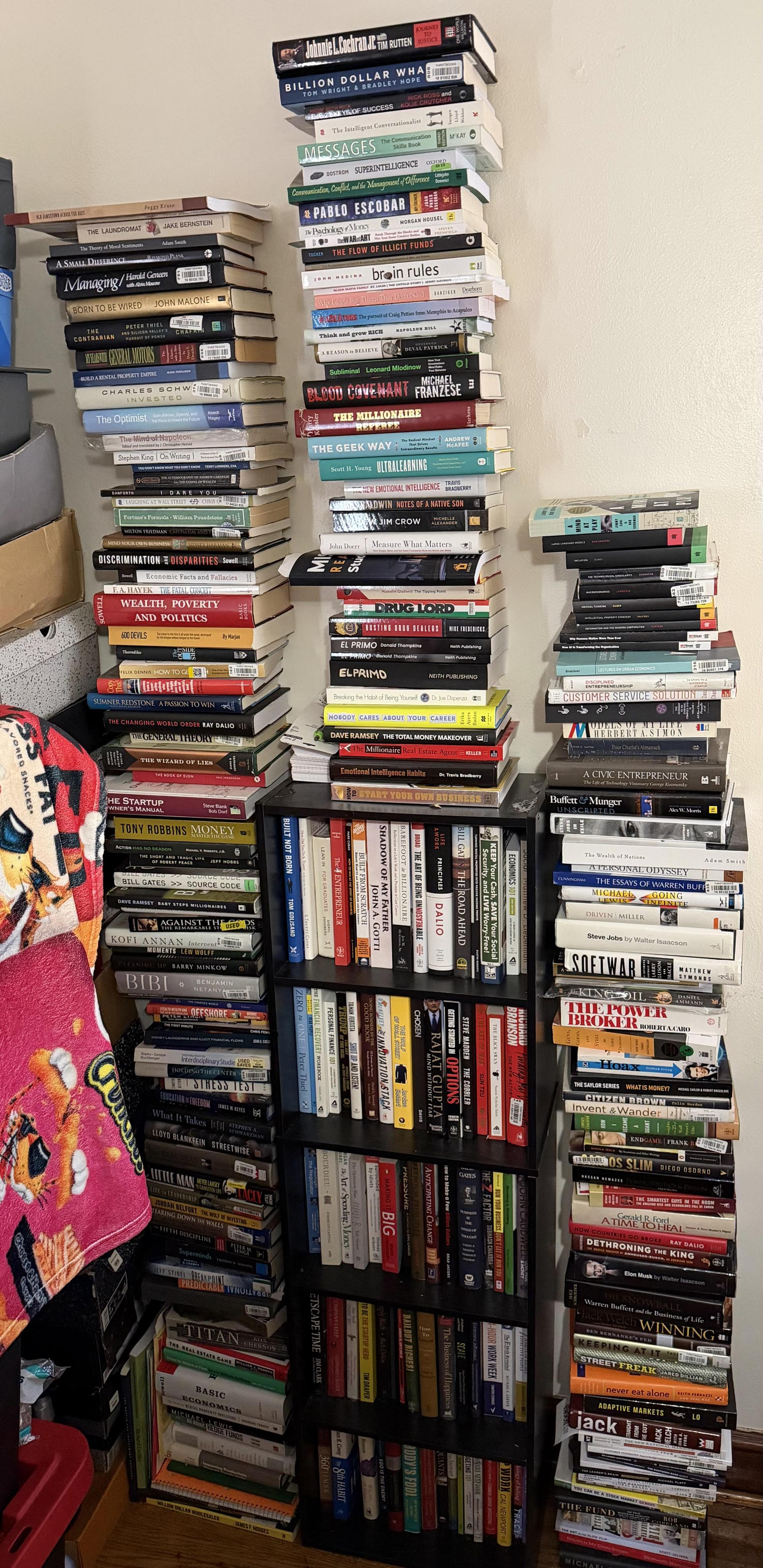
The Psychology of Money
Timeless lessons on wealth, greed, and happiness
by Morgan Housel
Doing well with money isn’t necessarily about what you know. It’s about how you behave. And behavior is hard to teach, even to really smart people. Money—investing, personal finance, and business decisions—is typically taught as a math-based field, where data and formulas tell us exactly what to do. But in the real world people don’t make financial decisions on a spreadsheet. They make them at the dinner table, or in a meeting room, where personal history, your own unique view of the world, ego, pride, marketing, and odd incentives are scrambled together. In The Psychology of Money, award-winning author Morgan Housel shares 19 short stories exploring the strange ways people think about money and teaches you how to make better sense of one of life’s most important topics.
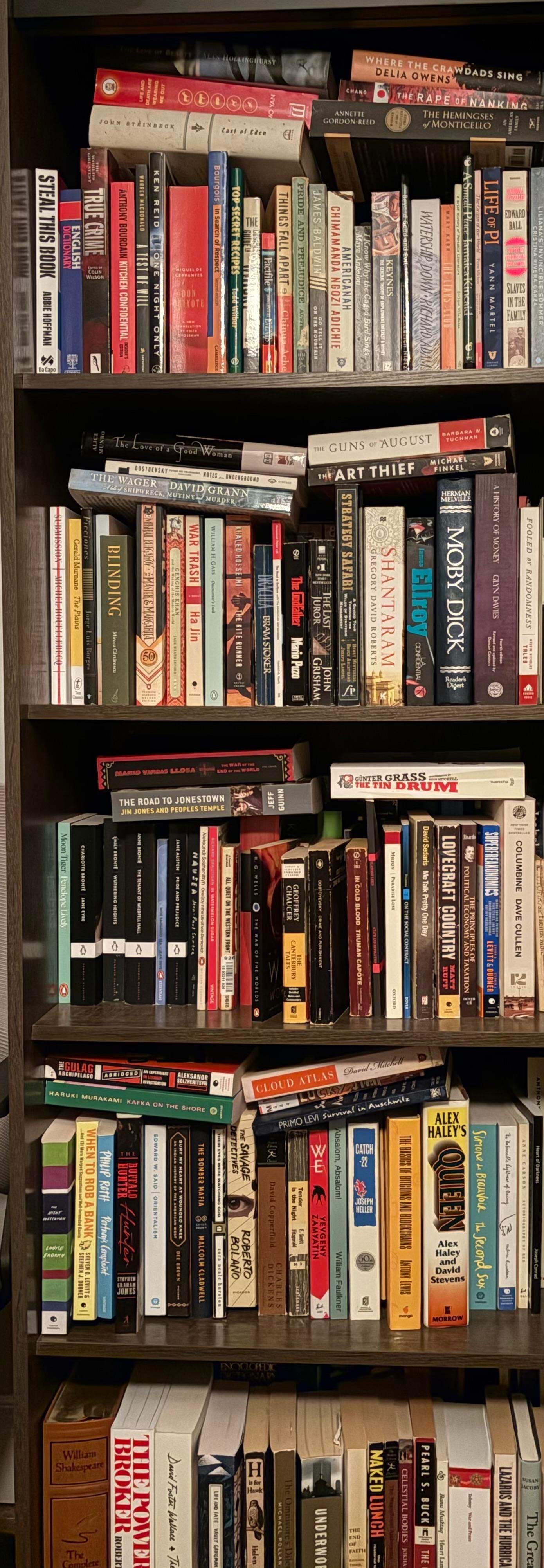
The General Theory of Employment, Interest and Money
The Keynesian Revolution
by John Maynard Keynes
The General Theory of Employment, Interest and Money of 1936 is a book by English economist John Maynard Keynes. It caused a profound shift in economic thought, giving macroeconomics a central place in economic theory and contributing much of its terminology - the "Keynesian Revolution". It had equally powerful consequences in economic policy, being interpreted as providing theoretical support for government spending in general, and for budgetary deficits, monetary intervention and counter-cyclical policies in particular. It is pervaded with an air of mistrust for the rationality of free-market decision making. Regarded widely as the cornerstone of Keynesian thought, this book challenged the established classical economics and introduced new concepts. It remains a relevant topic of debate to this day, perhaps more than ever. Given the economic turmoil of recent years, this debate is more heated than ever, between the Keynesian model of economics of Bush and Obama which favors bailouts and other government intervention to try to stabilize the market, and the Austrian school of economics which sees government intervention as detrimental and favors letting the market sort itself out on its own with minimal government interference.
These books are Distant Cousins
These books sit together on 2 different collections in our database