Shelfology Book Pairing
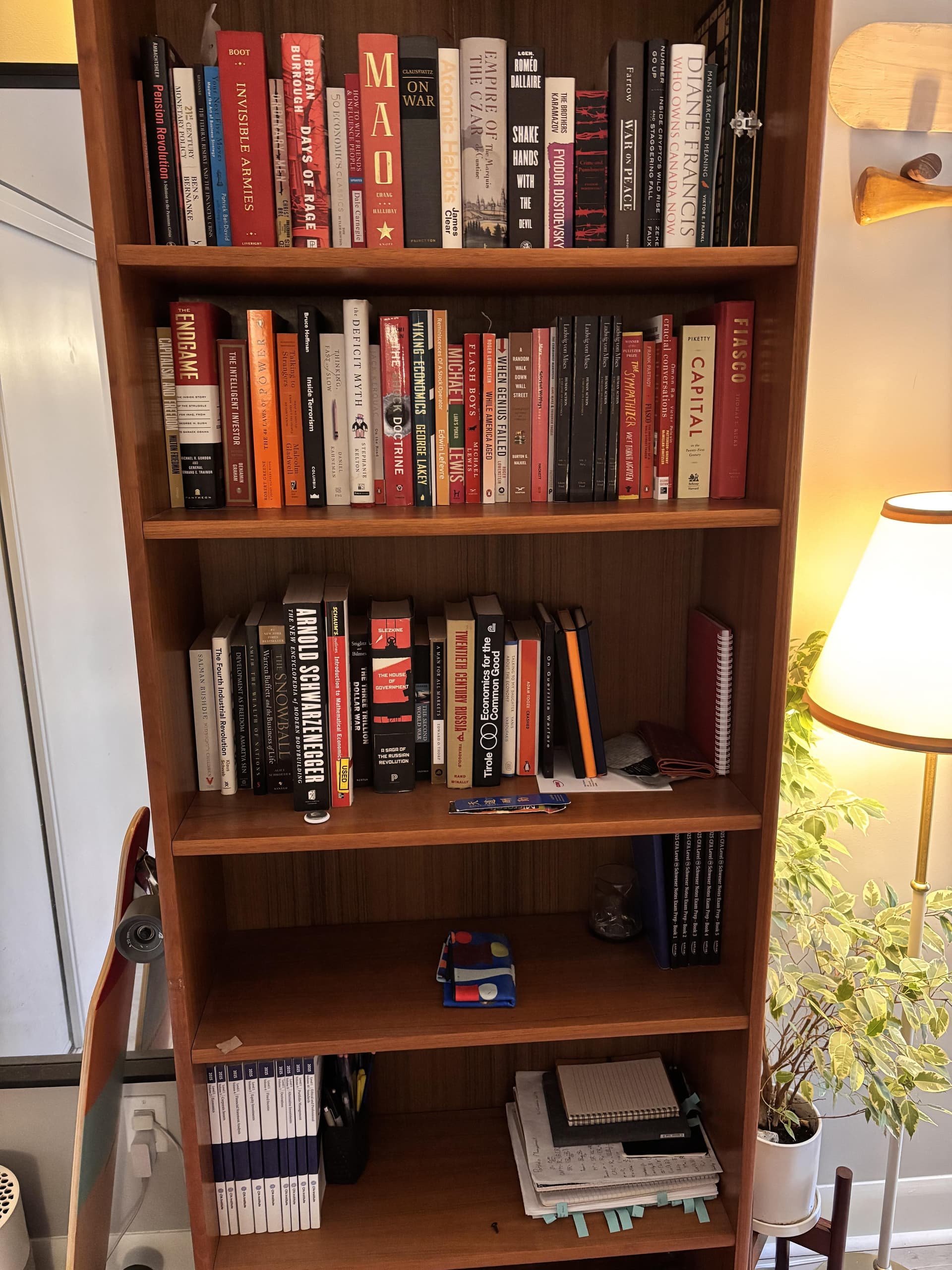
The Brothers Karamazov
Introduction by Malcolm Jones
by Fyodor Dostoevsky
Dostoevsky’s greatest novel is a story of murder told with hair-raising intellectual clarity and a feeling for the human condition unsurpassed in world literature. Fyodor Dostoevsky’s final novel, published just before his death in 1881, chronicles the bitter love-hate struggle between a larger-than-life father and his three very different sons. The author's towering reputation as one of the handful of thinkers who forged the modern sensibility has sometimes obscured the purely novelistic virtues—brilliant characterizations, flair for suspense and melodrama, instinctive theatricality—that made his work so immensely popular in nineteenth-century Russia. This award-winning translation by Richard Pevear and Larissa Volokhonsky—the definitive version in English—magnificently captures the rich and subtle energies of Dostoevsky’s masterpiece." Everyman's Library pursues the highest production standards, printing on acid-free cream-colored paper, with full-cloth cases with two-color foil stamping, decorative endpapers, silk ribbon markers, European-style half-round spines, and a full-color illustrated jacket. Everyman’s Library Classics include an introduction, a select bibliography, and a chronology of the author's life and times.
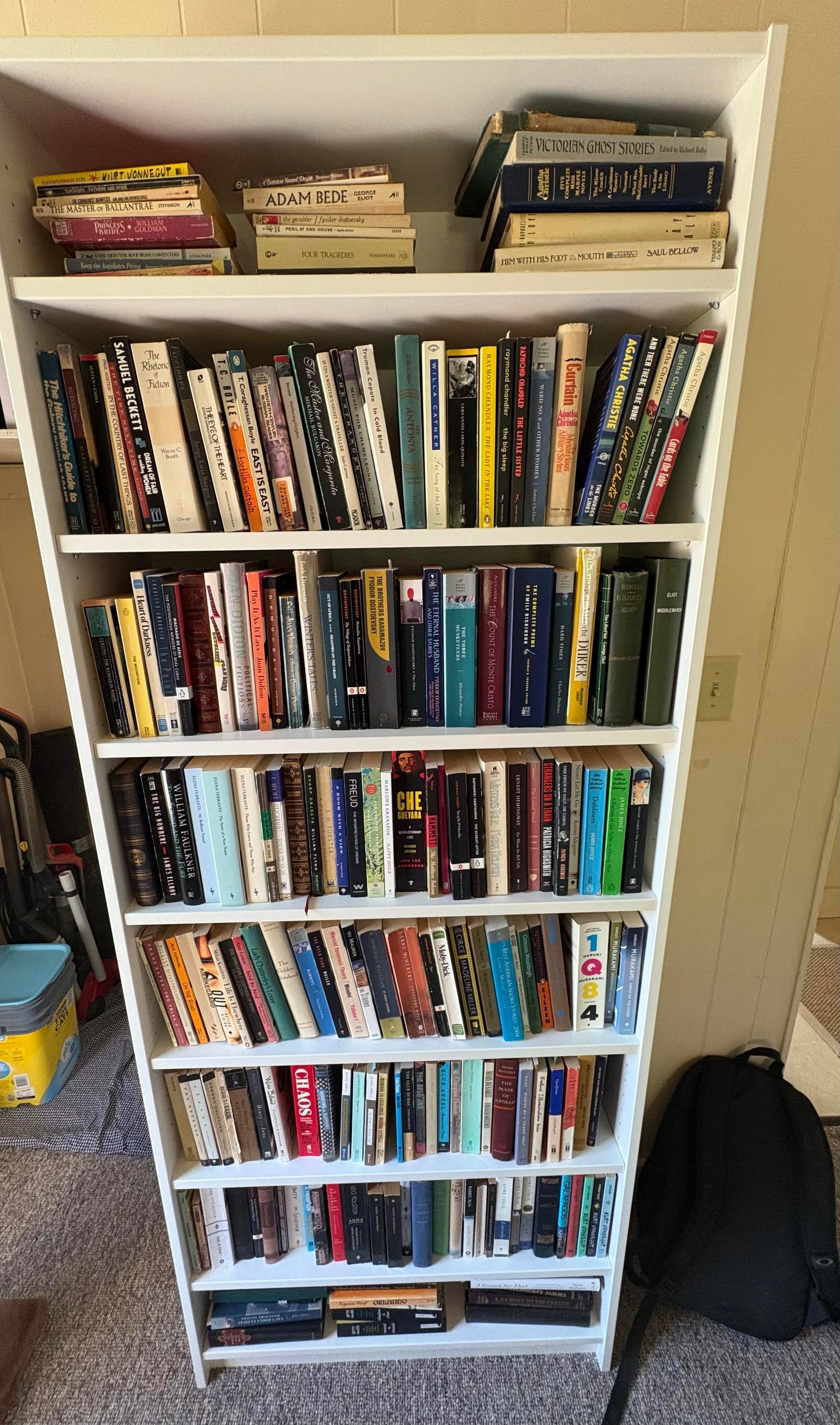
The Communist Manifesto
by Karl Marx
Celebrating Karl Marx’s 200th Birth Anniversary The Communist Manifesto has been recognized as one of the world’s most influential political manuscripts. Commissioned by the Communist League, it laid out the League’s purposes and program. It presents an analytical approach to the class struggle (historical and present) and the problems of capitalism, rather than a prediction of communism’s potential future forms. The book contains Marx and Engels’ theories about the nature of society and politics, that in their own words, “The history of all hitherto existing society is the history of class struggles.” It also briefly features their ideas for how the capitalist society of the time would eventually be replaced by socialism, and then eventually communism. Born in Westphalia in 1820, Friedrich Engels was the son of a textile manufacturer. After military training in Berlin and already a convert to communism, Engels went to Manchester in 1842 to represent the family firm. A relationship with a mill-hand, Mary Bums, and friendship with local Owenites and Chartists helped to inspire his famous early work, The Condition of the Working Class in England in 1844. Karl Marx was born in 1818 in Trier, Germany and studied in Bonn and Berlin. Influenced by Hegel, he later reacted against idealist philosophy and began to develop his own theory of historical materialism. He related the state of society to its economic foundations and mode of production, and recommended armed revolution on the part of the proletariat.
These books are Shelf Soulmates
These books sit together on 9 different collections in our database