Shelfology Book Pairing
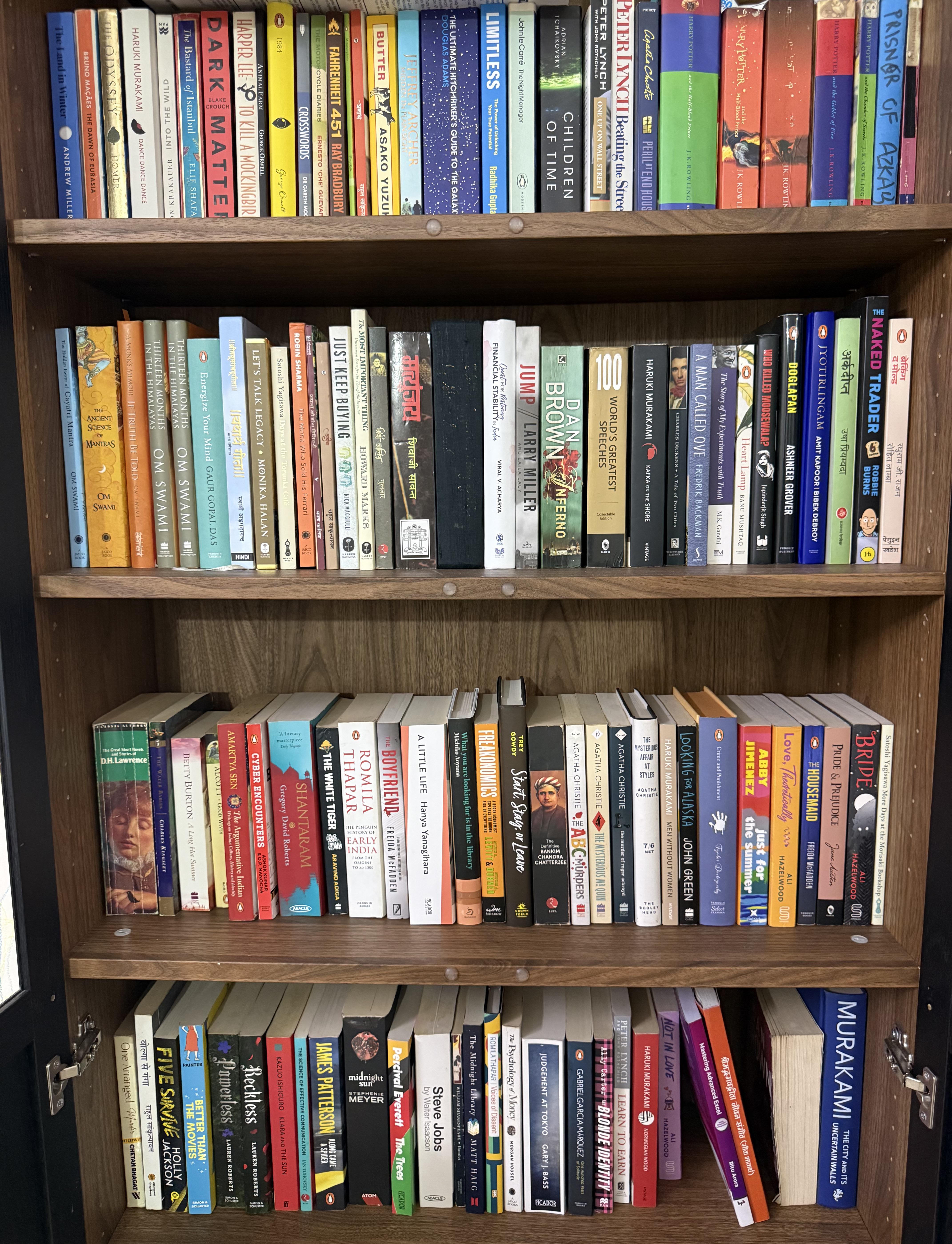
The City and Its Uncertain Walls
A Novel
by Haruki Murakami
NEW YORK TIMES BESTSELLER • A GLOBE AND MAIL BEST BOOK OF THE YEAR • A REAL SIMPLE BEST BOOK OF THE YEAR • From the author of Norwegian Wood and Hard-Boiled Wonderland and the End of the World comes a love story, a quest, an ode to books and to the libraries that house them, and a parable for our peculiar times. "Haruki Murakami invented 21st-century fiction." —The New York Times • "More than any author since Kafka, Murakami appreciates the genuine strangeness of our real world." —San Francisco Chronicle • "Murakami is masterful." —Los Angeles Times When a young man’s girlfriend mysteriously vanishes, he is heartbroken – and determined to find the imaginary town where he suspects she has taken up residence. Thus begins a lifelong search that takes the man into middle age, to a job in a remote library with mysteries of its own, and on a journey between the real world and this otherworld: a shadowless city where unicorns roam and willow trees grow. There he finds his beloved working in a different library – a dream library. But she has no memory of their life together and, as the seasons pass and the man grows more uncertain about the porous boundaries between these two worlds, he must decide what he is willing to lose. A love story, a quest, an ode to books and to the libraries that house them, The City and Its Uncertain Walls is a parable for these strange times– and singular and towering achievement by one of modern literature’s most important writers. "Truth is not found in fixed stillness, but in ceaseless change/movement. Isn't this the quintessential core of what stories are all about?” —Haruki Murakami, from the afterword
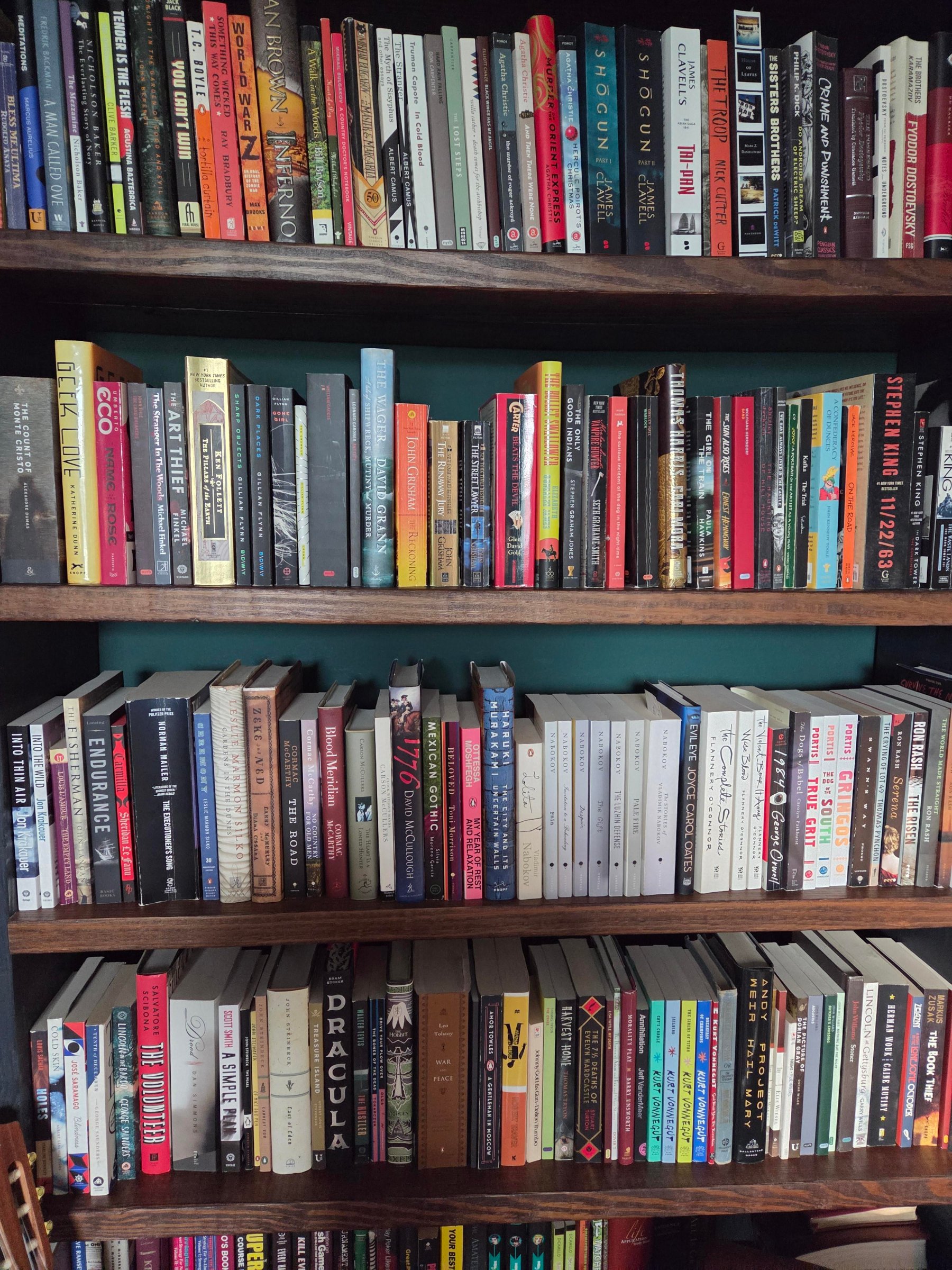
Crime and Punishment
A Novel by the Russian Author Fyodor Dostoevsky
by Fyodor Dostoevsky
Fyodor Dostoevsky's classic tale of Rodion Raskolnikov, the murder he commits as an exploration of the human condition, and the crushing criminal and psychological consequences. The two years before he wrote Crime and Punishment (1866) had been bad ones for Dostoyevsky. His wife and brother had died; the magazine he and his brother had started, Epoch, collapsed under its load of debt; and he was threatened with debtor's prison. With an advance that he managed to wangle for an unwritten novel, he fled to Wiesbaden, hoping to win enough at the roulette table to get himself out of debt. Instead, he lost all his money; he had to pawn his clothes and beg friends for loans to pay his hotel bill and get back to Russia. One of his begging letters went to a magazine editor, asking for an advance on yet another unwritten novel - which he described as Crime and Punishment. One of the supreme masterpieces of world literature, Crime and Punishment catapulted Dostoyevsky to the forefront of Russian writers and into the ranks of the world's greatest novelists. Drawing upon experiences from his own prison days, the author recounts in feverish, compelling tones the story of Raskolnikov, an impoverished student tormented by his own nihilism, and the struggle between good and evil. Believing that he is above the law, and convinced that humanitarian ends justify vile means, he brutally murders an old woman - a pawnbroker whom he regards as "stupid, ailing, greedy...good for nothing." Overwhelmed afterwards by feelings of guilt and terror, Raskolnikov confesses to the crime and goes to prison. There he realizes that happiness and redemption can only be achieved through suffering. Infused with forceful religious, social, and philosophical elements, the novel was an immediate success. This extraordinary, unforgettable work is reprinted here in the authoritative Constance Garnett translation. Others novels and novellas by Dostoevsky are: (1846) Poor Folk (novella) (1846) The Double (novella) (1847) The Landlady (novella) (1849) Netochka Nezvanova (unfinished) (1859) Uncle's Dream (novella) (1859) The Village of Stepanchikovo (1861) Humiliated and Insulted (1862) The House of the Dead (1864) Notes from Underground (novella) (1866) Crime and Punishment (1867) The Gambler (novella) (1869) The Idiot (1870) The Eternal Husband (novella) (1872) Demons (also titled: The Possessed, The Devils) (1875) The Adolescent (1880) The Brothers Karamazov
These books are No Strangers
These books sit together on 3 different collections in our database