Shelfology Book Pairing
Thinking, Fast and Slow
by Daniel Kahneman
NEW YORK TIMES BESTSELLER The guru to the gurus at last shares his knowledge with the rest of us. Nobel laureate Daniel Kahneman's seminal studies in behavioral psychology, behavioral economics, and happiness studies have influenced numerous other authors, including Steven Pinker and Malcolm Gladwell. In Thinking, Fast and Slow, Kahneman at last offers his own, first book for the general public. It is a lucid and enlightening summary of his life's work. It will change the way you think about thinking. Two systems drive the way we think and make choices, Kahneman explains: System One is fast, intuitive, and emotional; System Two is slower, more deliberative, and more logical. Examining how both systems function within the mind, Kahneman exposes the extraordinary capabilities as well as the biases of fast thinking and the pervasive influence of intuitive impressions on our thoughts and our choices. Engaging the reader in a lively conversation about how we think, he shows where we can trust our intuitions and how we can tap into the benefits of slow thinking, contrasting the two-system view of the mind with the standard model of the rational economic agent. Kahneman's singularly influential work has transformed cognitive psychology and launched the new fields of behavioral economics and happiness studies. In this path-breaking book, Kahneman shows how the mind works, and offers practical and enlightening insights into how choices are made in both our business and personal lives--and how we can guard against the mental glitches that often get us into trouble.
Misbehaving
How Economics Became Behavioural
by Richard H. Thaler
Get ready to change the way you think about economics. From the renowned and entertaining behavioural economist and co-author of the seminal work Nudge, Misbehavingis an irreverent and enlightening look into human foibles. Traditional economics assumes that rational forces shape everything. Behavioural economics knows better. Richard Thaler has spent his career studying the notion that humans are central to the economy - and that we're error-prone individuals, not Spock-like automatons. Now behavioural economics is hugely influential, changing the way we think not just about money, but about ourselves, our world and all kinds of everyday decisions. Whether buying an alarm clock, selling football tickets, or applying for a mortgage, we all succumb to biases and make decisions that deviate from the standards of rationality assumed by economists. In other words, we misbehave. Dismissed at first by economists as an amusing sideshow, the study of human miscalculations and their effects on markets now drives efforts to make better decisions in our lives, our businesses and our governments. Coupling recent discoveries in human psychology with a practical understanding of incentives and market behaviour, Thaler enlightens readers about how to make smarter decisions in an increasingly mystifying world. He reveals how behavioural economic analysis opens up new ways to look at everything from household finance to assigning faculty offices in a new building, to TV quiz shows, sports transfer seasons, and businesses like Uber. When economics meets psychology, the implications for individuals, managers and policy makers are both profound and entertaining. Acclaim for Misbehaving 'The creative genius who invented the field of behavioural economics is also a master storyteller and a very funny man. All these talents are on display in this wonderful book.' Daniel Kahneman, winner of the Nobel Prize in Economics and Author of Thinking, Fast and Slow 'Misbehavinggives us the story behind some of the most important insights in modern economics. If I had to be trapped in an elevator with any contemporary intellectual, I'd pick Richard Thaler.' Malcolm Gladwell 'Richard Thaler has been at the centre of the most important revolution to happen in economics in the last thirty years. In this captivating book, he lays out the evidence for behavioural economics and explains why there was so much resistance to it. Read Misbehaving. There is no better guide to this new and exciting economics.' Robert J. Shiller, winner of the Nobel Prize in Economics and Author of Finance and the Good Society
These books are No Strangers
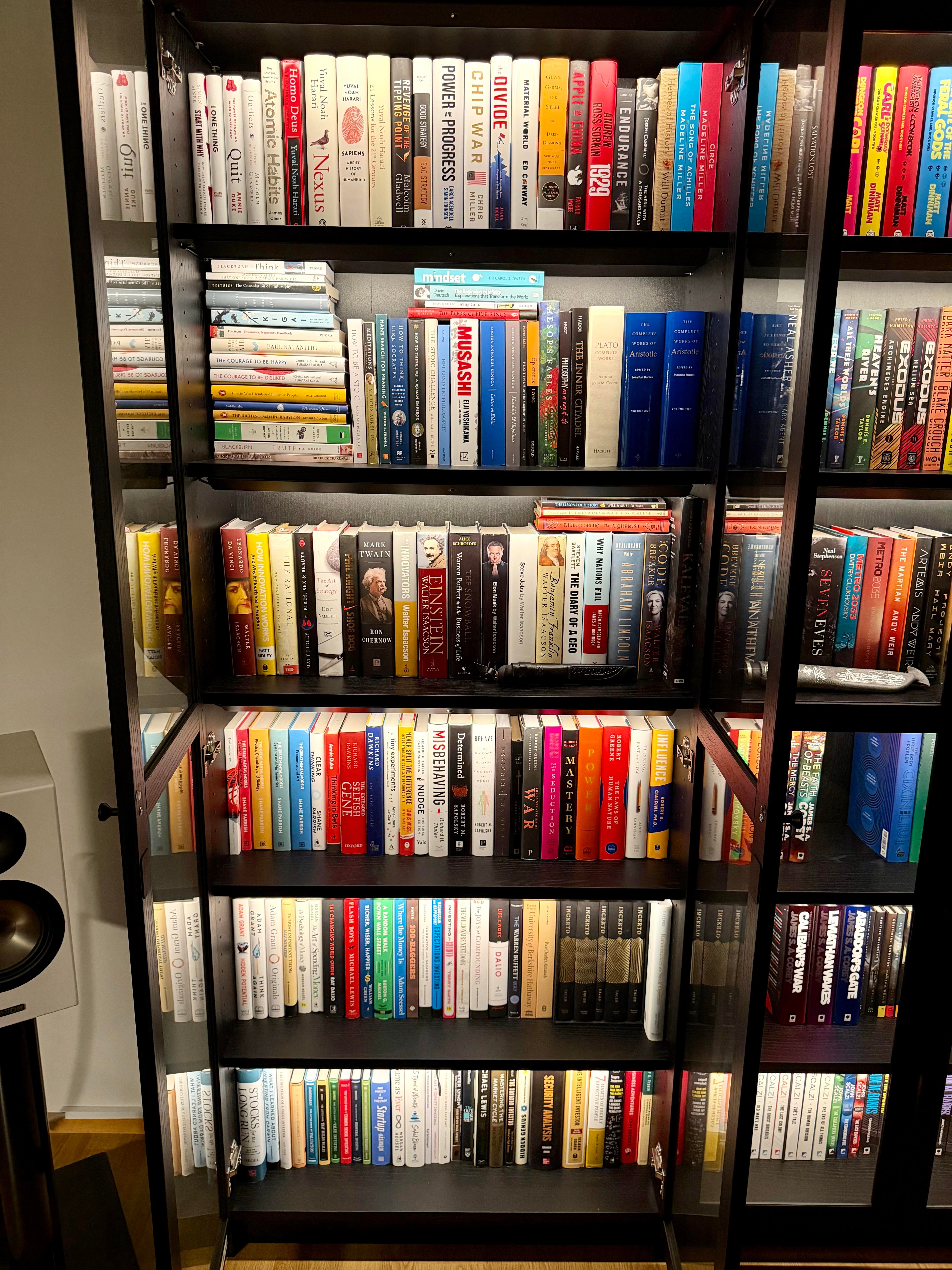
These books sit together on 3 different collections in our database