Shelfology Book Pairing
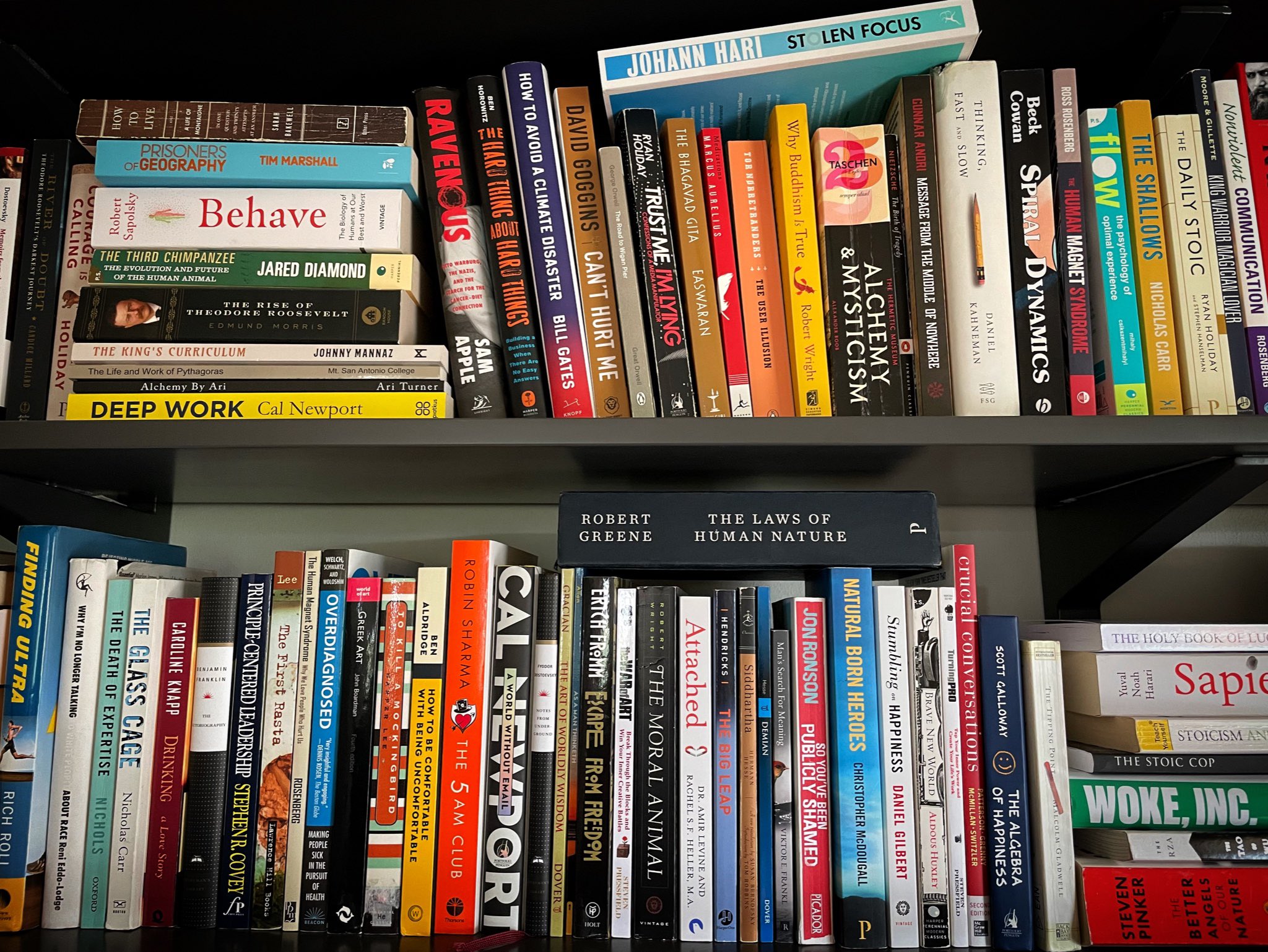
Thinking, Fast and Slow
by Daniel Kahneman
NEW YORK TIMES BESTSELLER The guru to the gurus at last shares his knowledge with the rest of us. Nobel laureate Daniel Kahneman's seminal studies in behavioral psychology, behavioral economics, and happiness studies have influenced numerous other authors, including Steven Pinker and Malcolm Gladwell. In Thinking, Fast and Slow, Kahneman at last offers his own, first book for the general public. It is a lucid and enlightening summary of his life's work. It will change the way you think about thinking. Two systems drive the way we think and make choices, Kahneman explains: System One is fast, intuitive, and emotional; System Two is slower, more deliberative, and more logical. Examining how both systems function within the mind, Kahneman exposes the extraordinary capabilities as well as the biases of fast thinking and the pervasive influence of intuitive impressions on our thoughts and our choices. Engaging the reader in a lively conversation about how we think, he shows where we can trust our intuitions and how we can tap into the benefits of slow thinking, contrasting the two-system view of the mind with the standard model of the rational economic agent. Kahneman's singularly influential work has transformed cognitive psychology and launched the new fields of behavioral economics and happiness studies. In this path-breaking book, Kahneman shows how the mind works, and offers practical and enlightening insights into how choices are made in both our business and personal lives--and how we can guard against the mental glitches that often get us into trouble.
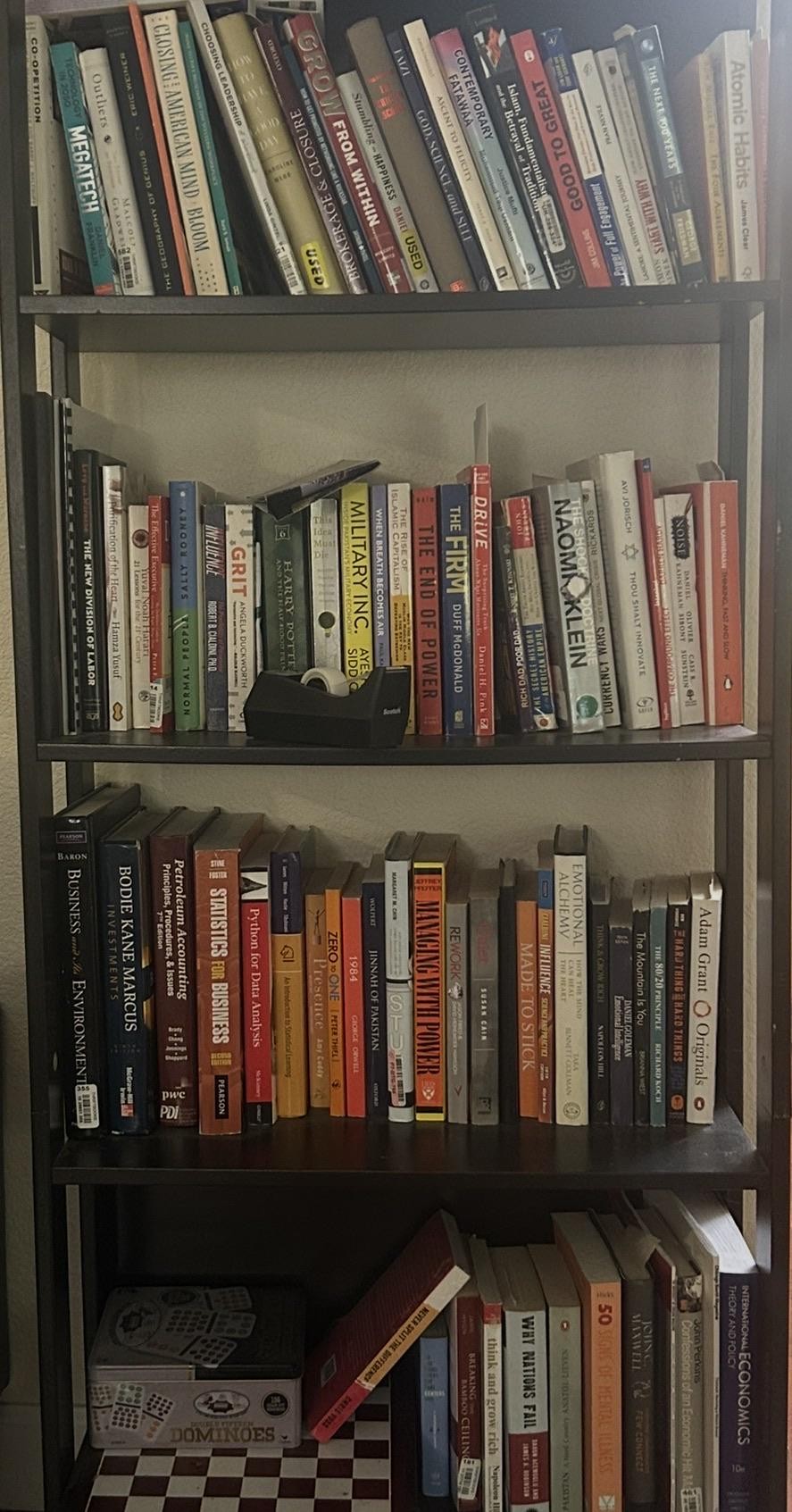
Stumbling on Happiness
by Daniel Todd Gilbert
Why are lovers quicker to forgive their partners for infidelity than for leaving dirty dishes in the sink? Why do patients remember long medical procedures as less painful than short ones? Why do home sellers demand prices they wouldn't dream of paying if they were home buyers? Why does the line at the grocery store always slow down when we join it? In this book, Harvard psychologist Gilbert describes the foibles of imagination and illusions of foresight that cause each of us to misconceive our tomorrows and misestimate our satisfactions. Using the latest research in psychology, cognitive neuroscience, philosophy, and behavioral economics, Gilbert reveals what we have discovered about the uniquely human ability to imagine the future, our capacity to predict how much we will like it when we get there, and why we seem to know so little about the hearts and minds of the people we are about to become.--From publisher description.
These books are Distant Cousins
These books sit together on 2 different collections in our database