Shelfology Book Pairing
Slaughterhouse-Five
A Novel
by Kurt Vonnegut
Kurt Vonnegut’s masterpiece, Slaughterhouse-Five is “a desperate, painfully honest attempt to confront the monstrous crimes of the twentieth century” (Time). Selected by the Modern Library as one of the 100 best novels of all time • One of The Atlantic’s Great American Novels of the Past 100 Years Slaughterhouse-Five, an American classic, is one of the world’s great antiwar books. Centering on the infamous World War II firebombing of Dresden, the novel is the result of what Kurt Vonnegut described as a twenty-three-year struggle to write a book about what he had witnessed as an American prisoner of war. It combines historical fiction, science fiction, autobiography, and satire in an account of the life of Billy Pilgrim, a barber’s son turned draftee turned optometrist turned alien abductee. As Vonnegut had, Billy experiences the destruction of Dresden as a POW. Unlike Vonnegut, he experiences time travel, or coming “unstuck in time.” An instant bestseller, Slaughterhouse-Five made Kurt Vonnegut a cult hero in American literature, a reputation that only strengthened over time, despite his being banned and censored by some libraries and schools for content and language. But it was precisely those elements of Vonnegut’s writing—the political edginess, the genre-bending inventiveness, the frank violence, the transgressive wit—that have inspired generations of readers not just to look differently at the world around them but to find the confidence to say something about it. Authors as wide-ranging as Norman Mailer, John Irving, Michael Crichton, Tim O’Brien, Margaret Atwood, Elizabeth Strout, David Sedaris, Jennifer Egan, and J. K. Rowling have all found inspiration in Vonnegut’s words. Jonathan Safran Foer has described Vonnegut as “the kind of writer who made people—young people especially—want to write.” George Saunders has declared Vonnegut to be “the great, urgent, passionate American writer of our century, who offers us . . . a model of the kind of compassionate thinking that might yet save us from ourselves.” More than fifty years after its initial publication at the height of the Vietnam War, Vonnegut’s portrayal of political disillusionment, PTSD, and postwar anxiety feels as relevant, darkly humorous, and profoundly affecting as ever, an enduring beacon through our own era’s uncertainties.
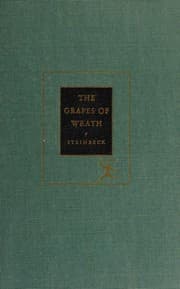
The Grapes of Wrath
(Annotated Edition)
by John John Steinbeck
John Steinbeck's novel The Grapes of Wrath tells the specific story of the Joad family, and thus illustrates the hardships and oppression suffered by migrant laborers during the Great Depression. It is an explicitly political piece of writing, one that champions collective action by the lower classes. In taking this social stance, Steinbeck's novel criticizes shortsighted self-interest and chastises corporate and banking elites for profit-maximizing policies that ultimately forced farmers into destitution and even starvation. The novel begins with a description of the conditions in Dust Bowl Oklahoma that ruined crops and instigated massive foreclosures on farmland. No specific characters emerge initially; this is a technique that Steinbeck will employ several times in the book, posing descriptions of events in a large social context against descriptions of events more particular to the Joad family. Tom Joad, a man not yet thirty, approaches a diner dressed in spotless, somewhat formal clothing. He hitches a ride with a truck driver, who presses Tom for information until Tom finally reveals that he was just released from McAlester prison, where he served four years for murdering a man during a fight. Steinbeck follows this exchange with an interlude describing a turtle crossing the road, which serves as a metaphor for the struggles of the working class.
These books are a Natural Match
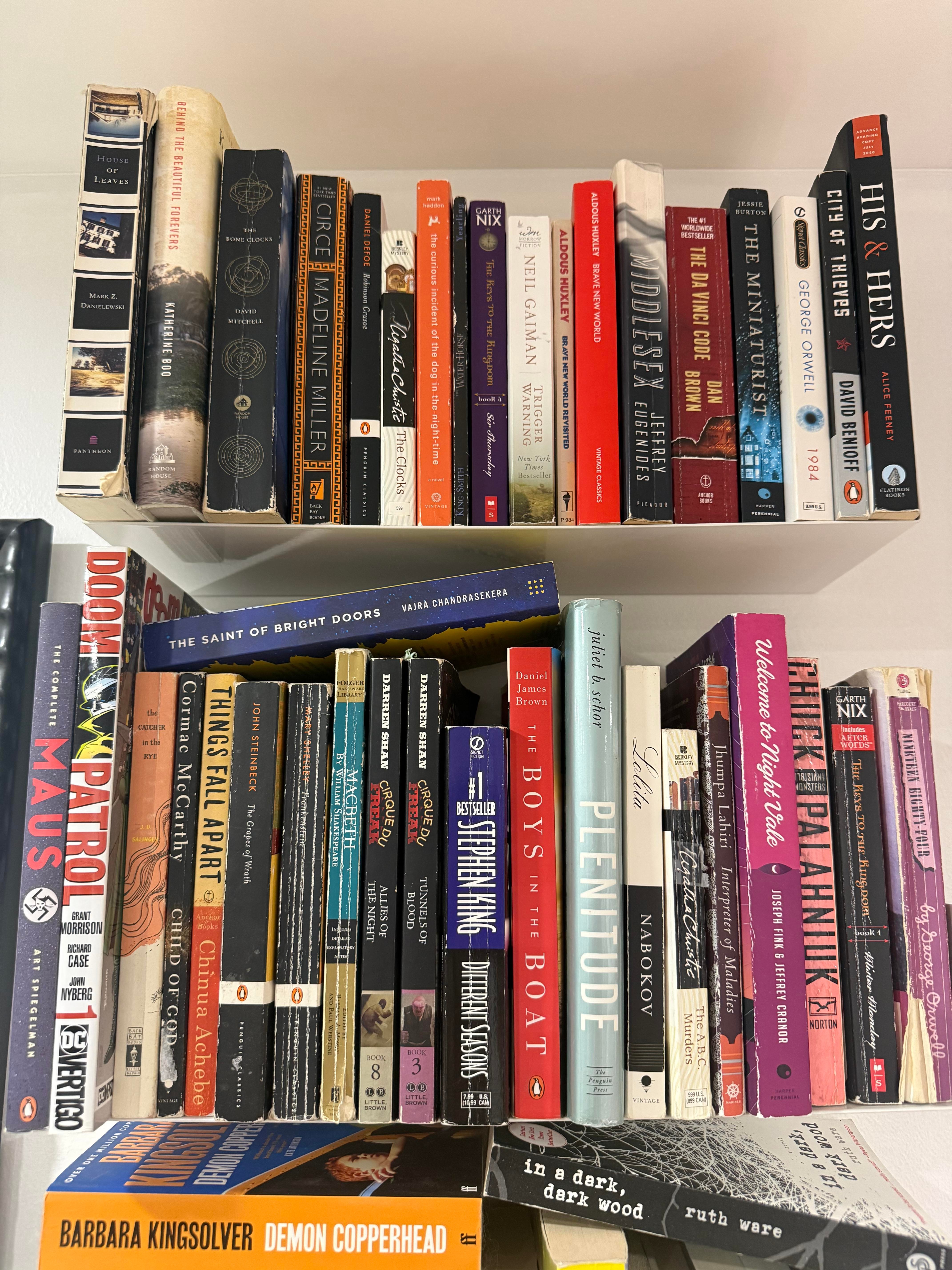
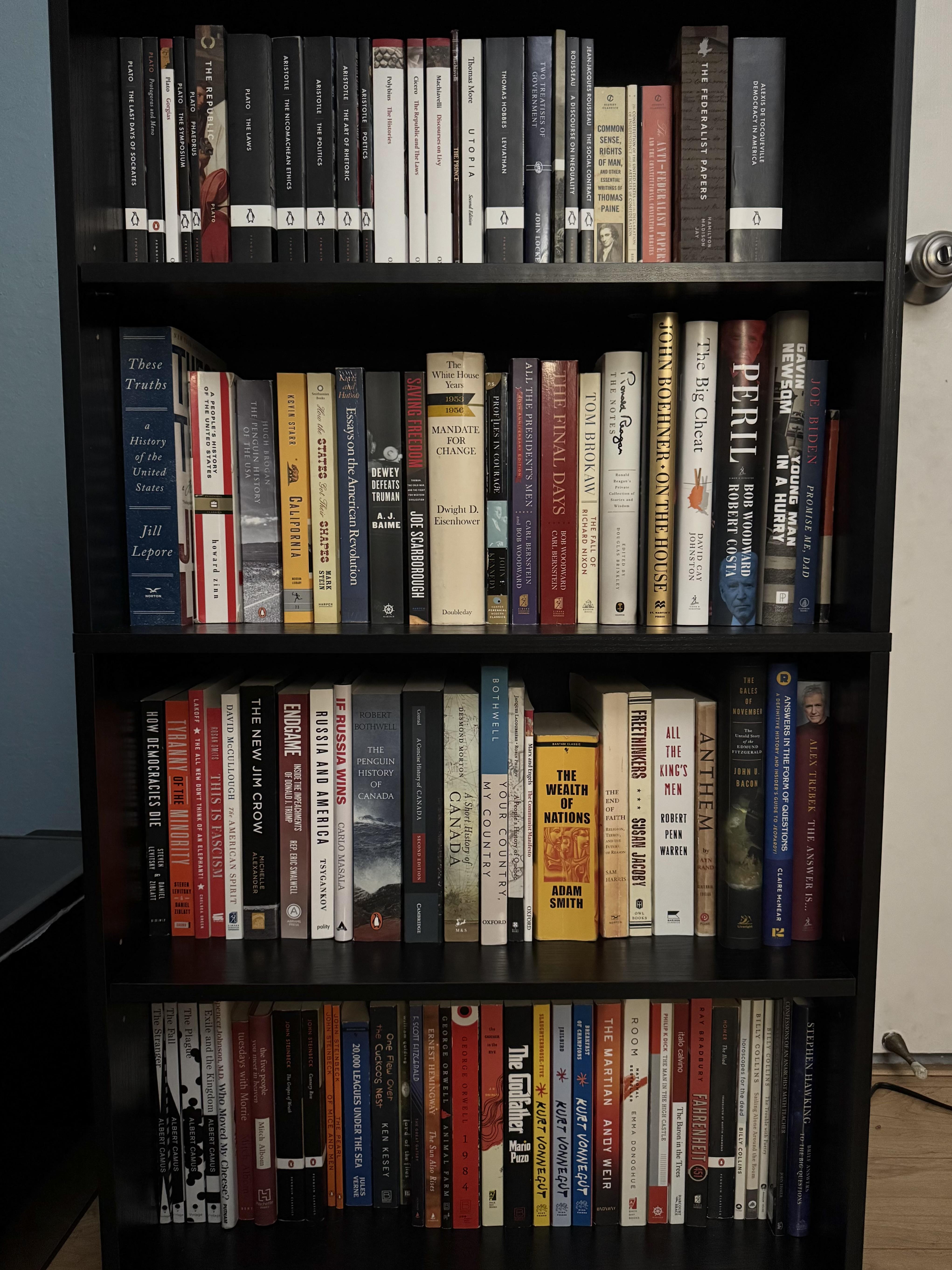
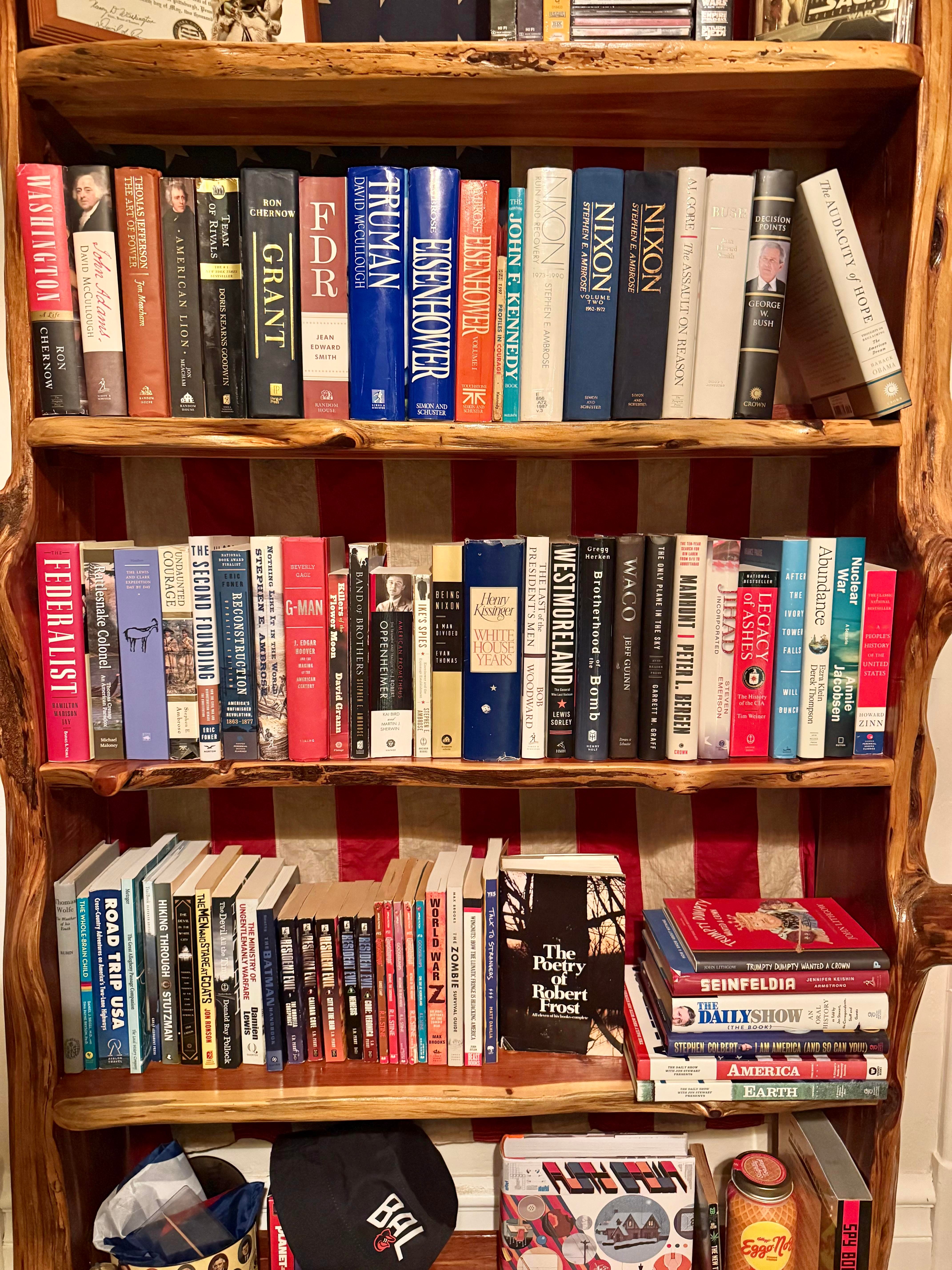
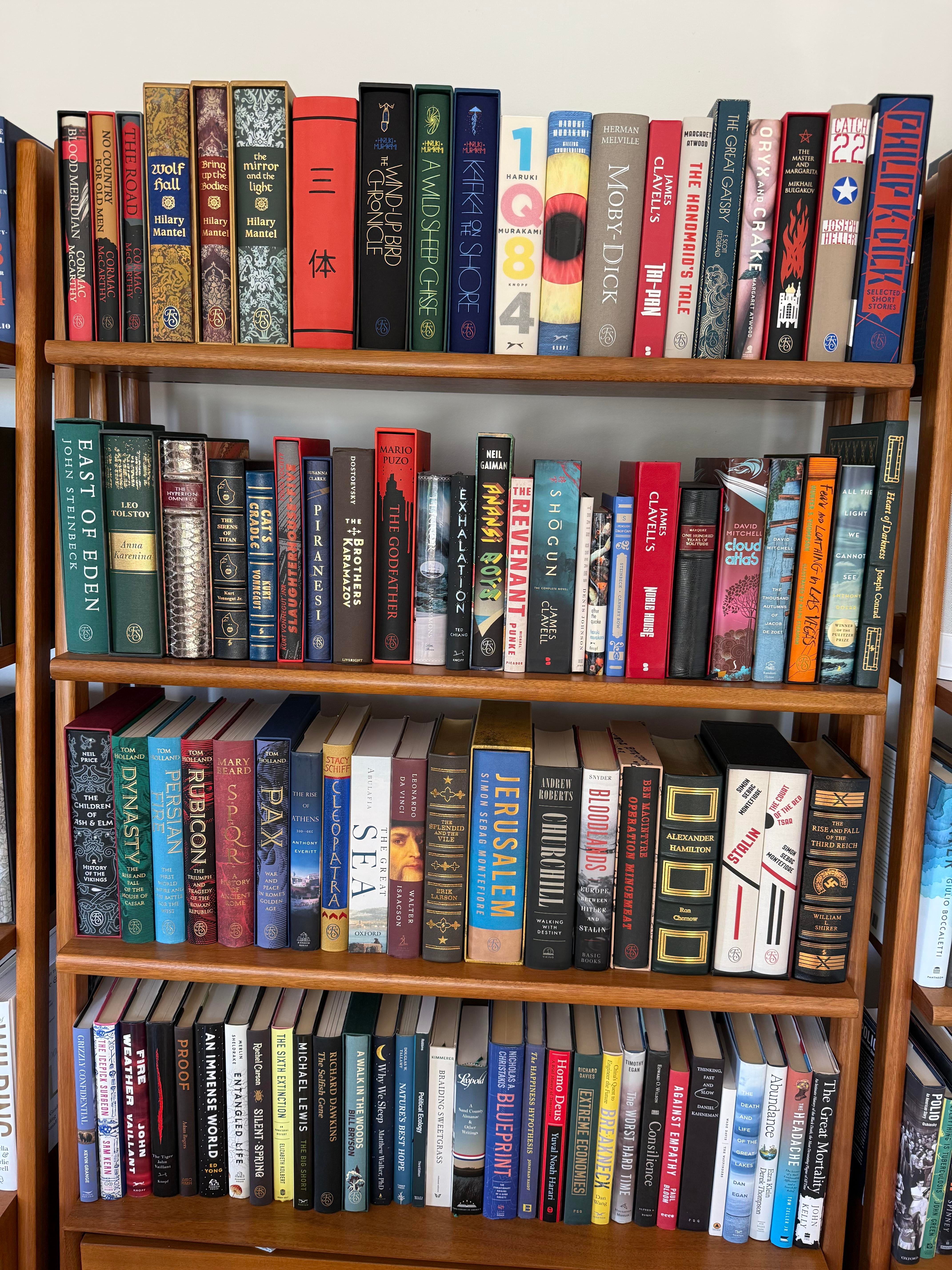
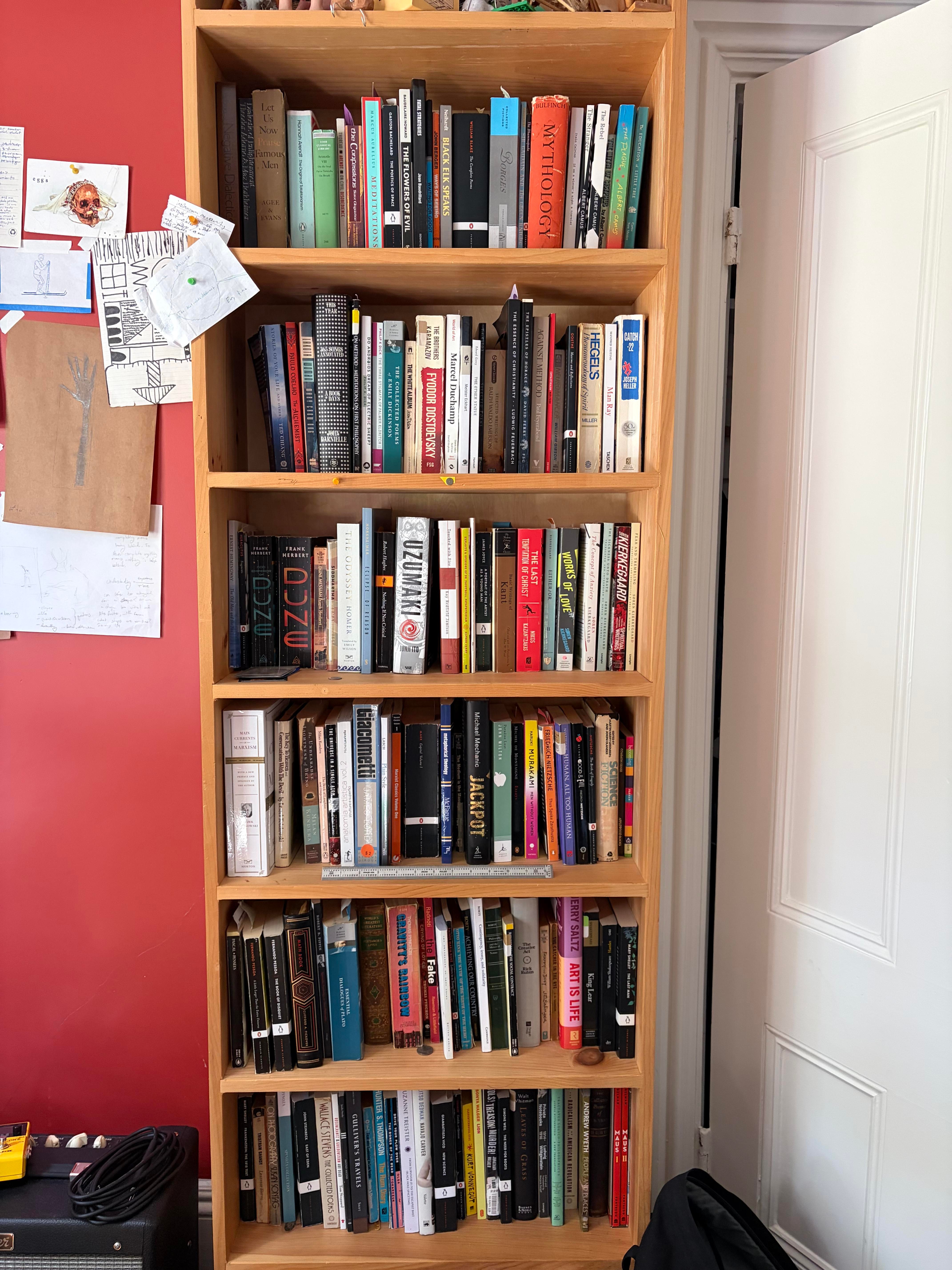
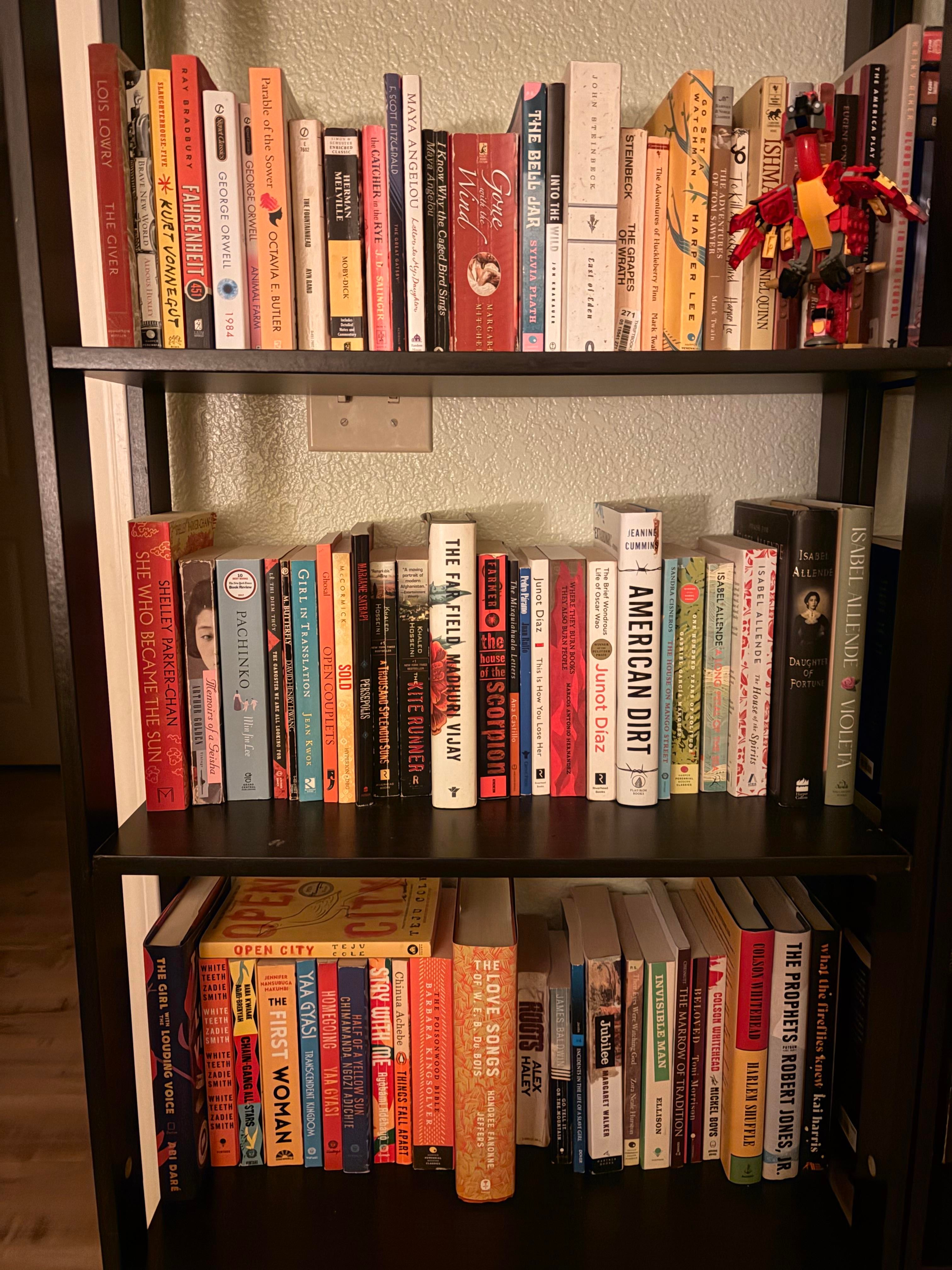
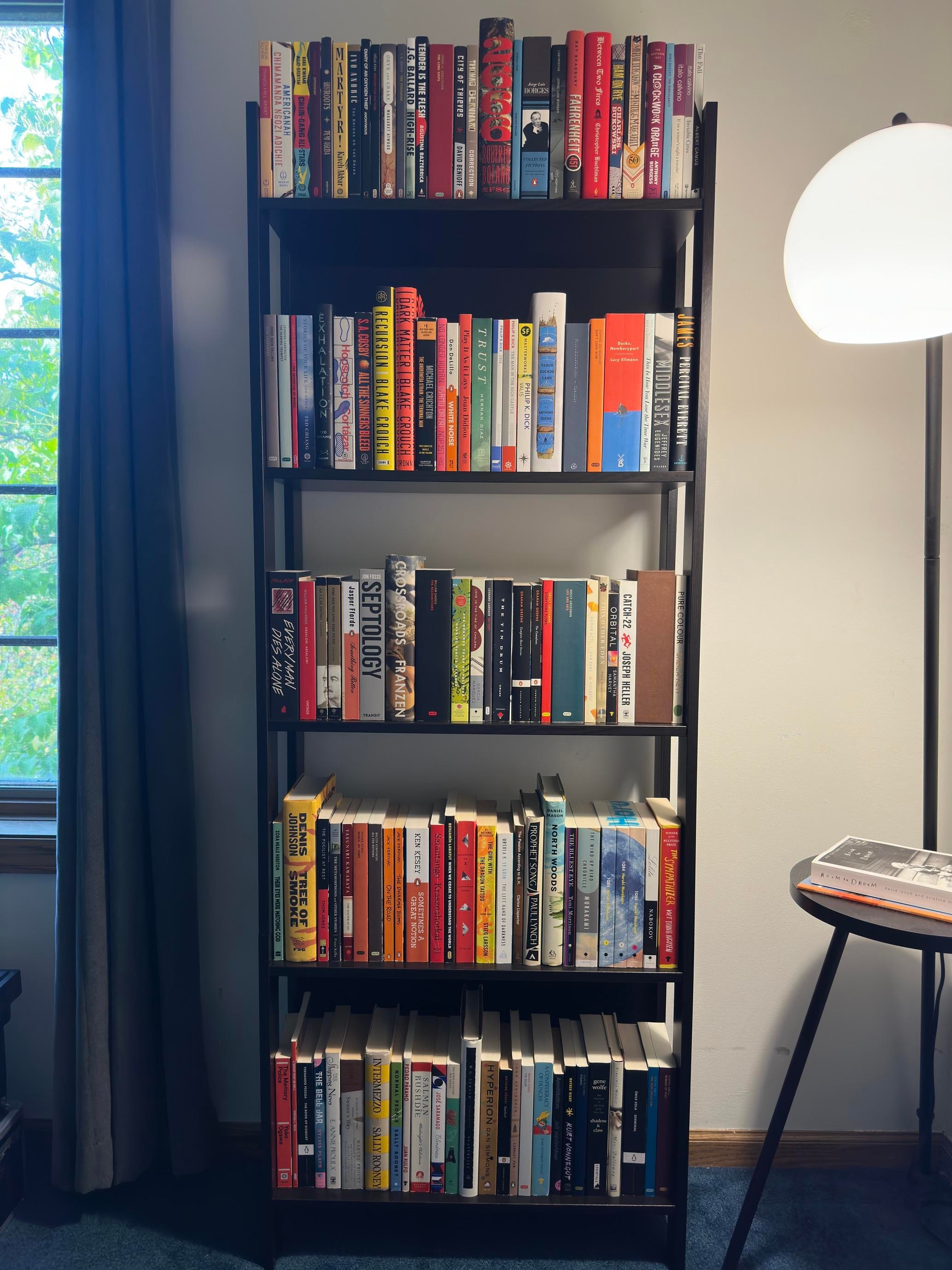
These books sit together on 18 different collections in our database
This pair was spotted together at:
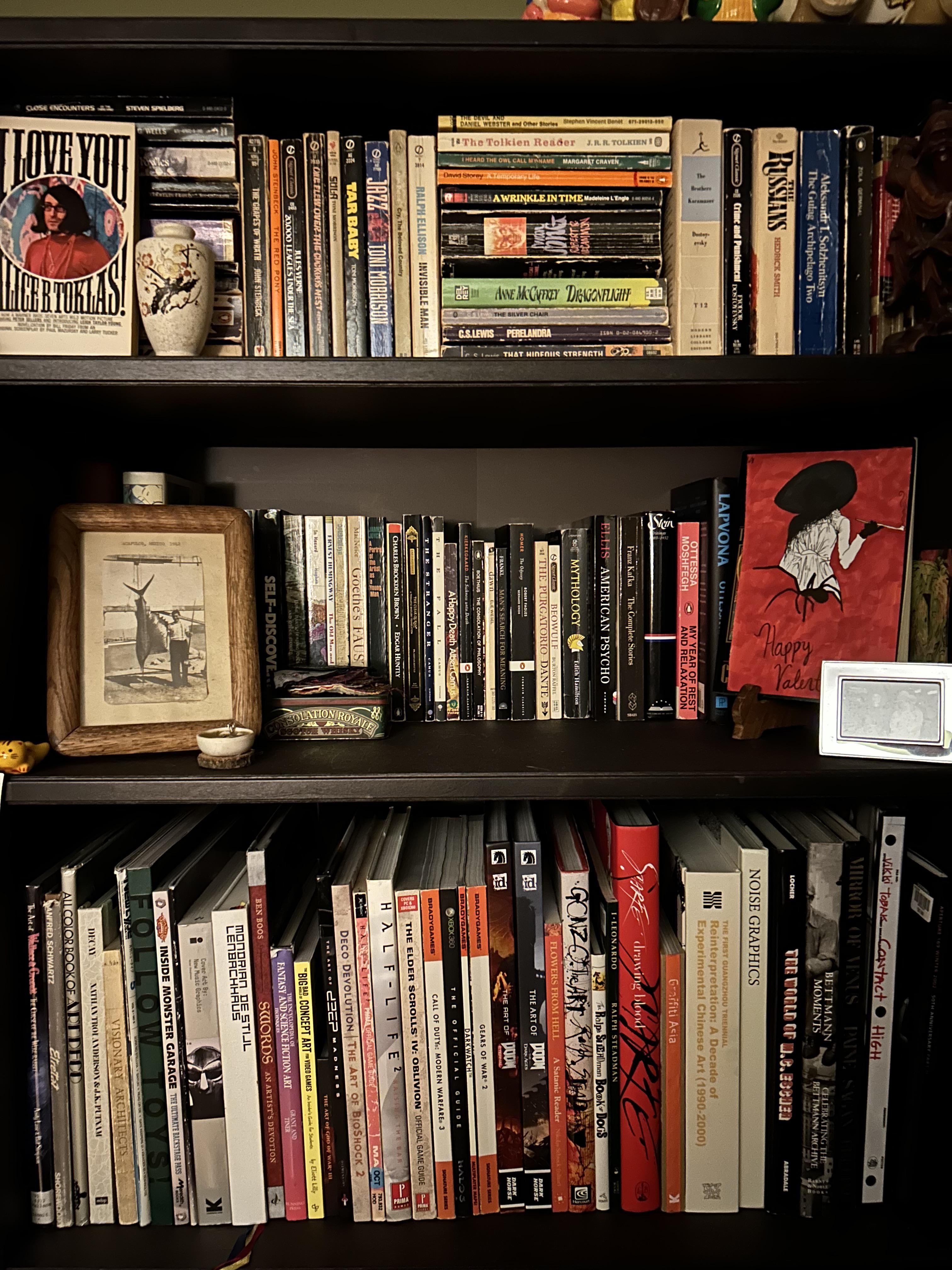
Oct 23, 2026
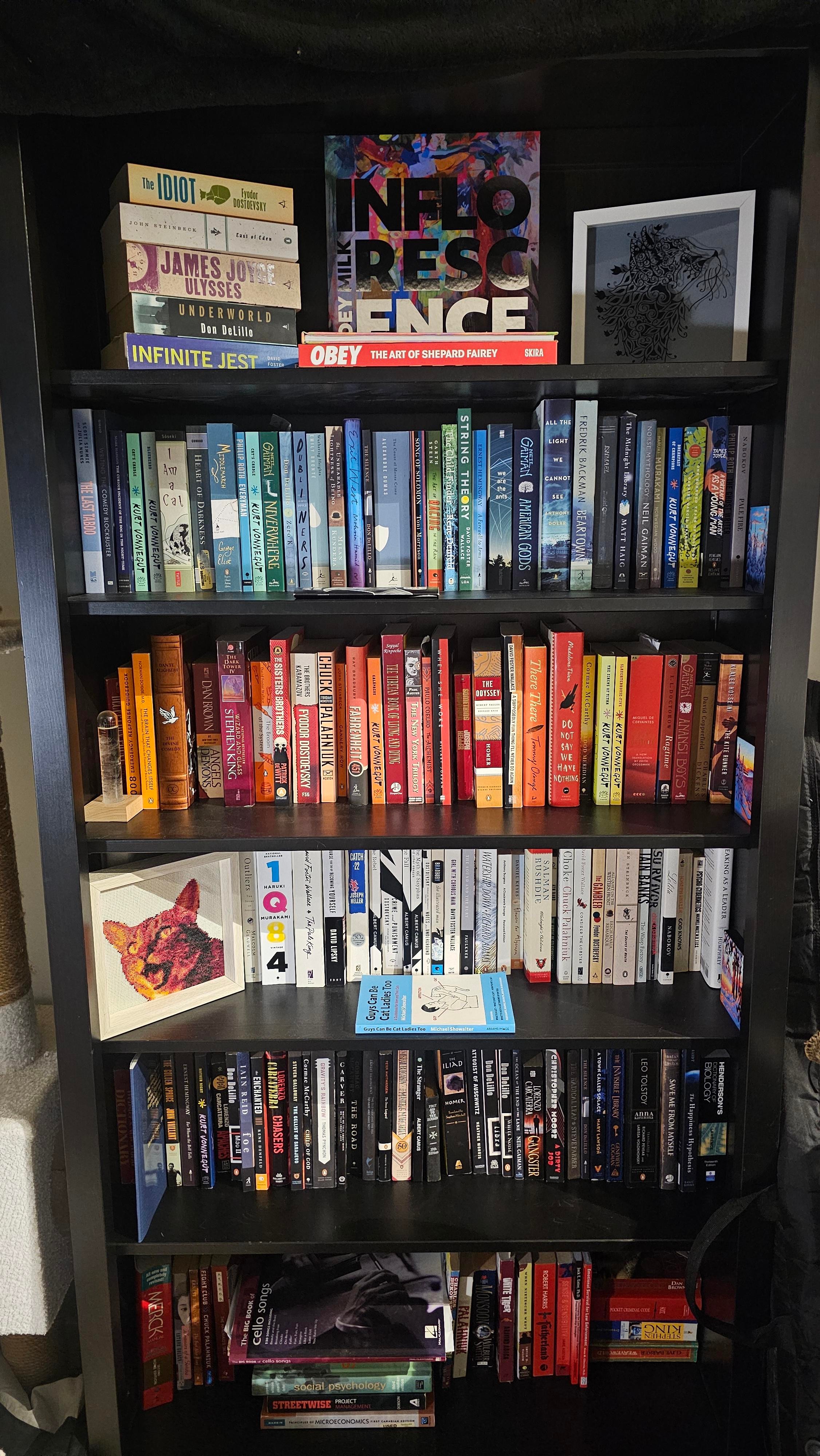
Oct 23, 2026

Oct 23, 2026
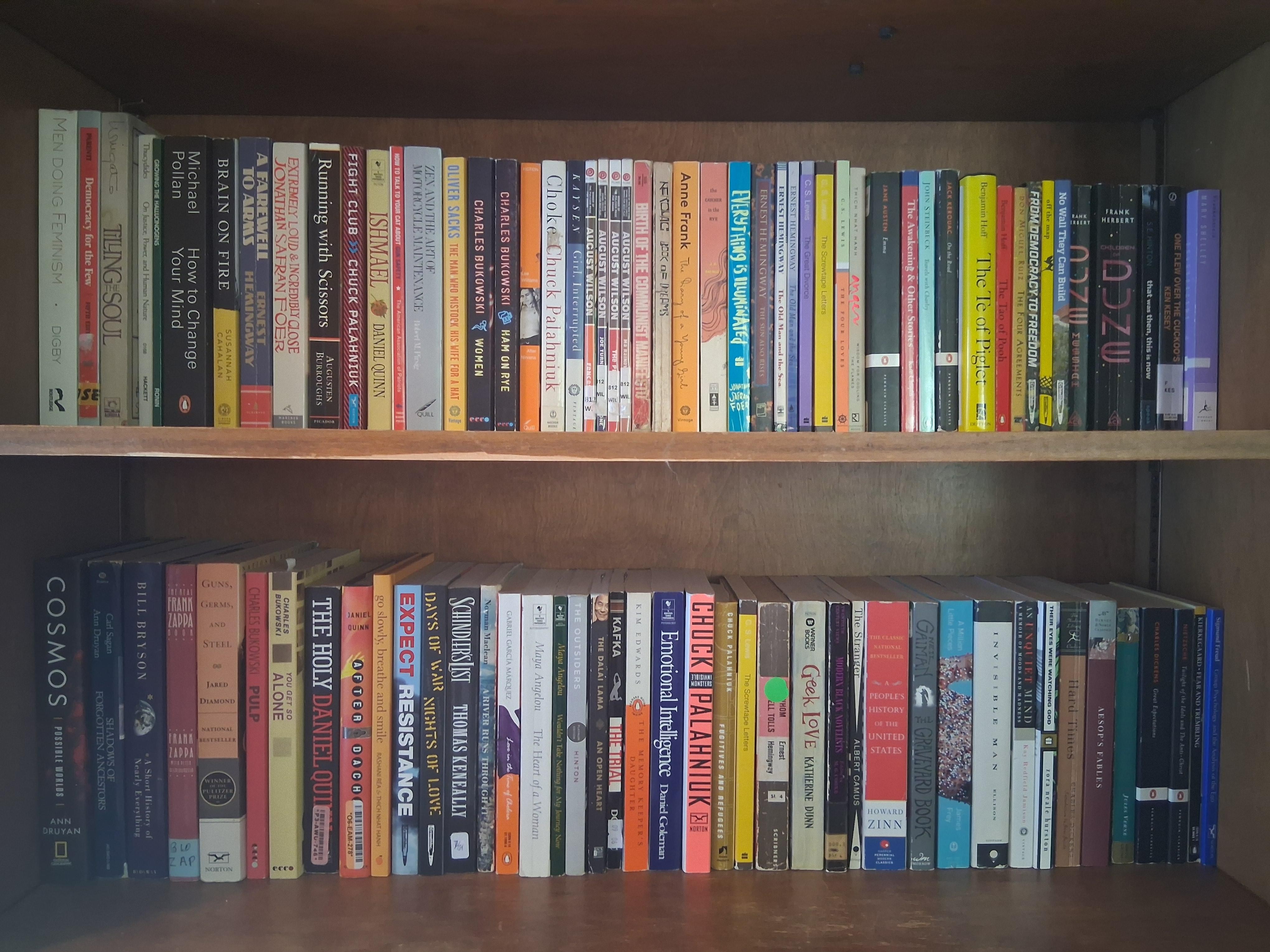
Oct 20, 2026
Oct 20, 2026
Oct 20, 2026
Oct 17, 2026
Oct 15, 2026
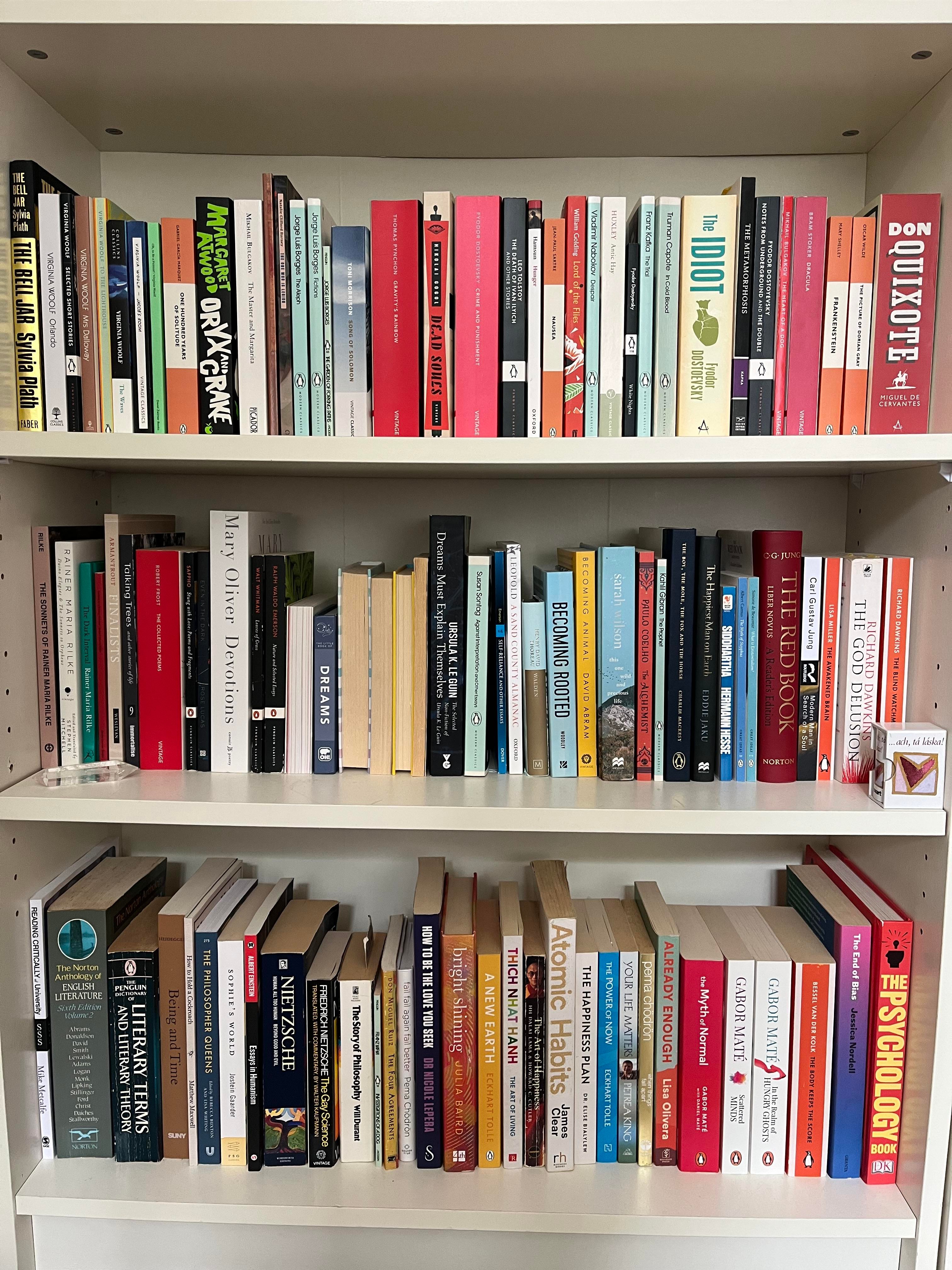
Oct 15, 2026
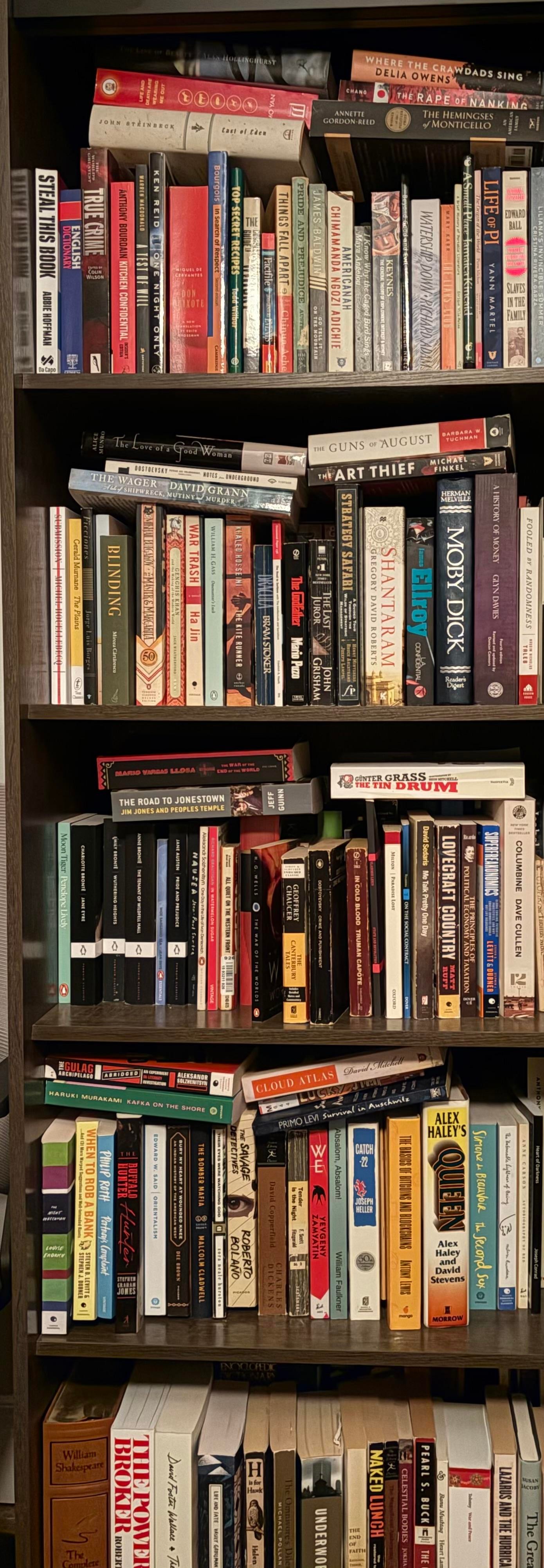
Oct 14, 2026
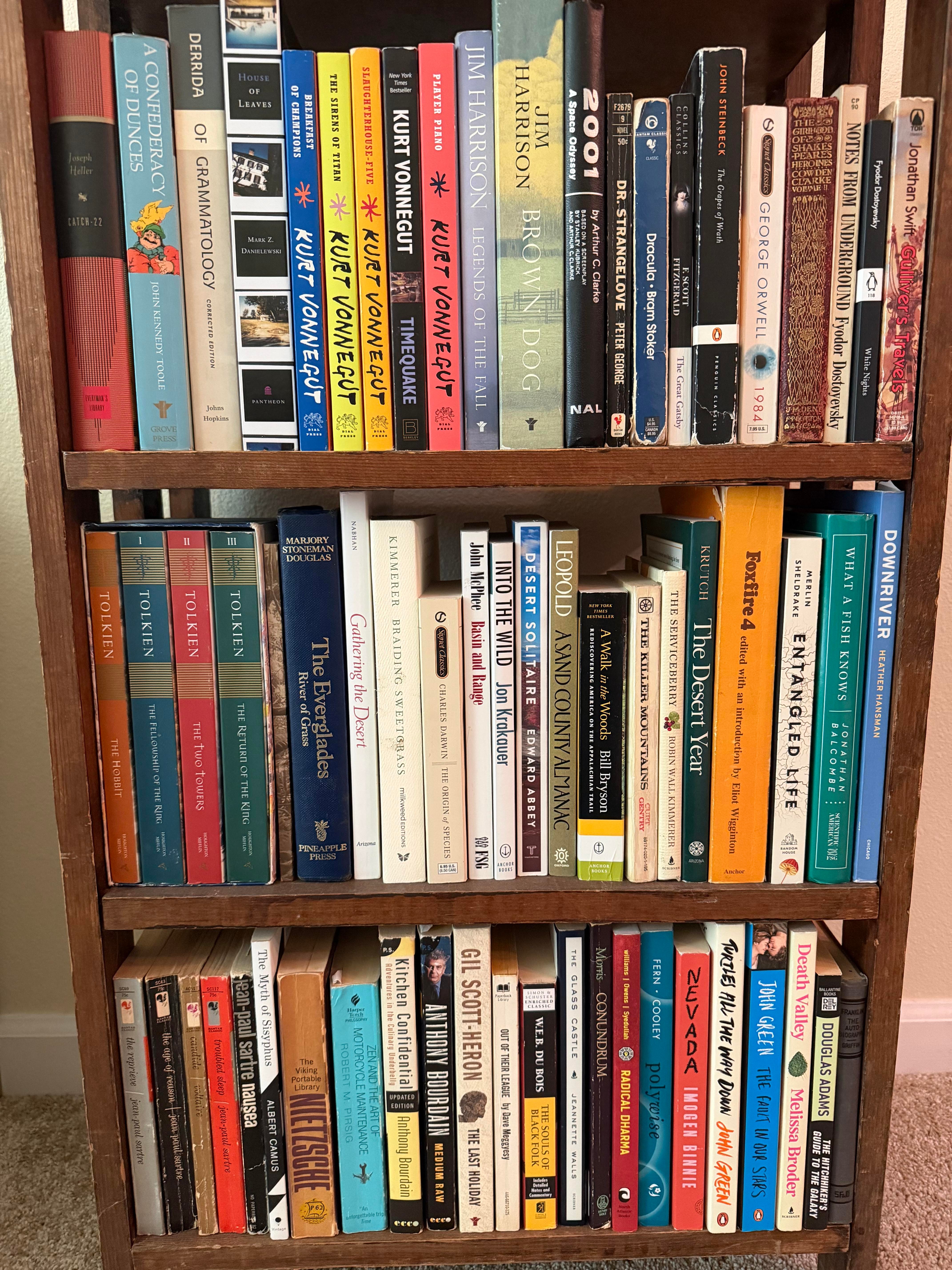
Sep 28, 2026
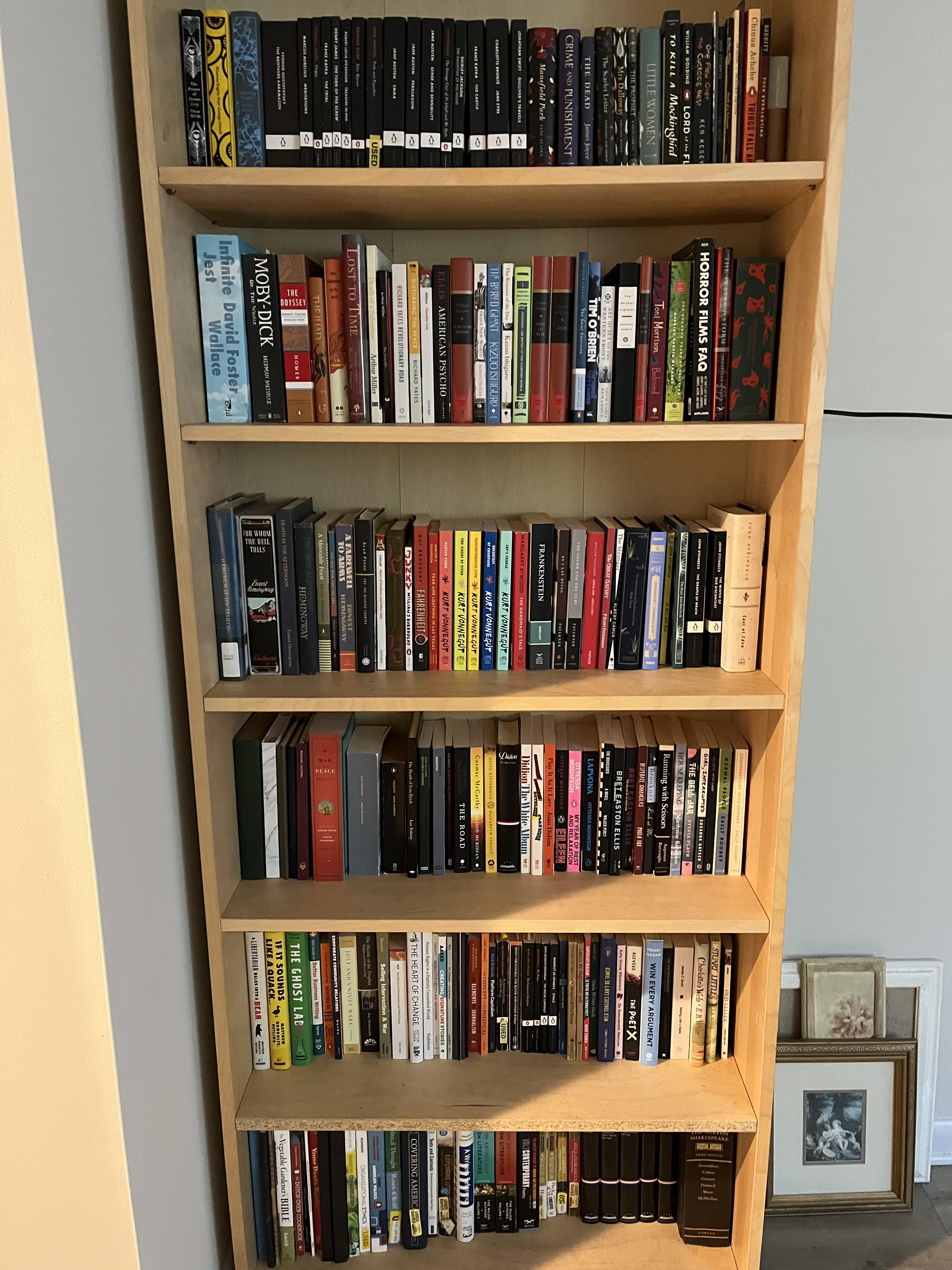
Sep 21, 2026
Sep 9, 2026
Sep 9, 2026
Sep 2, 2026
Sep 2, 2026
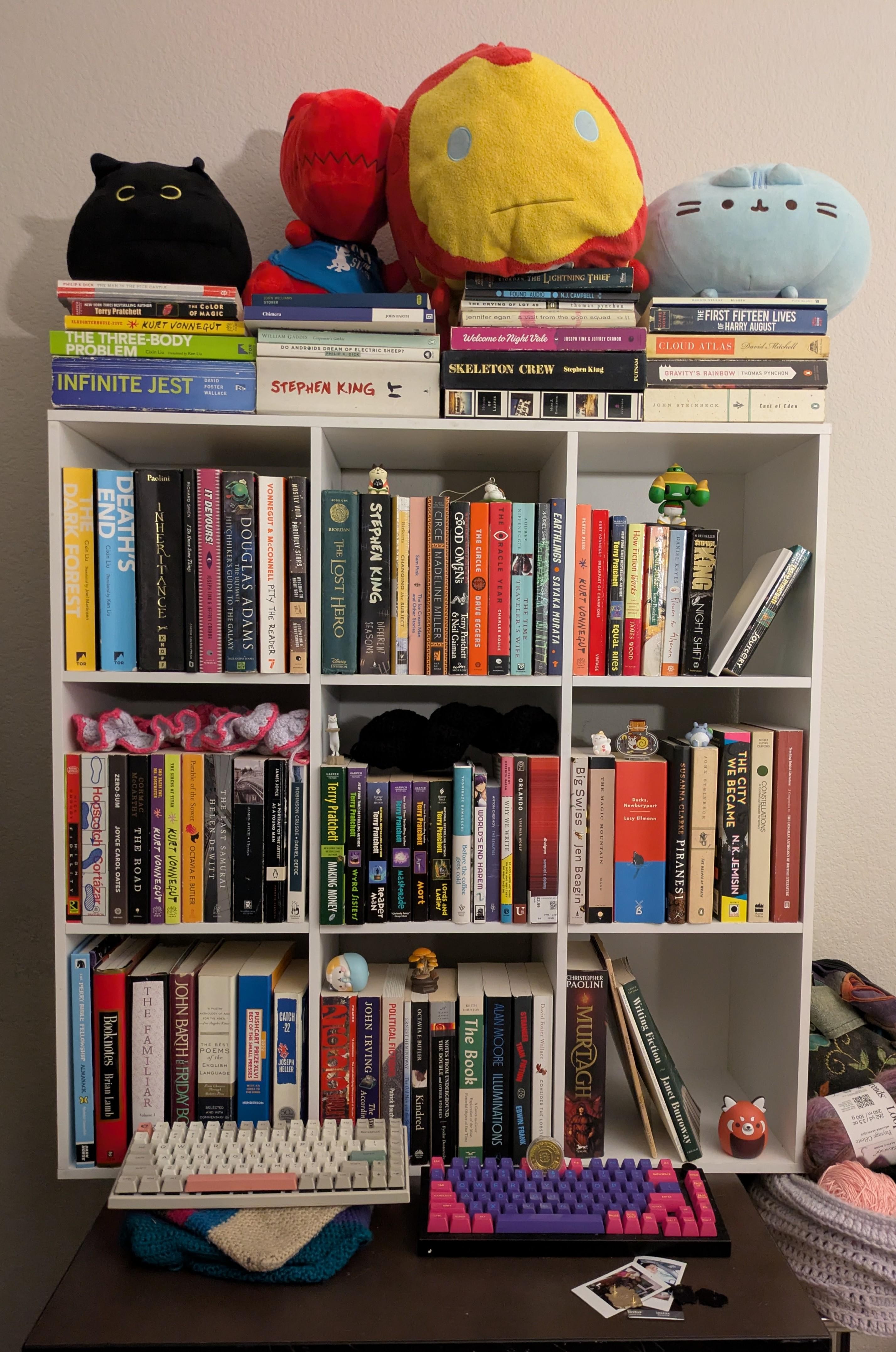
Jul 26, 2026
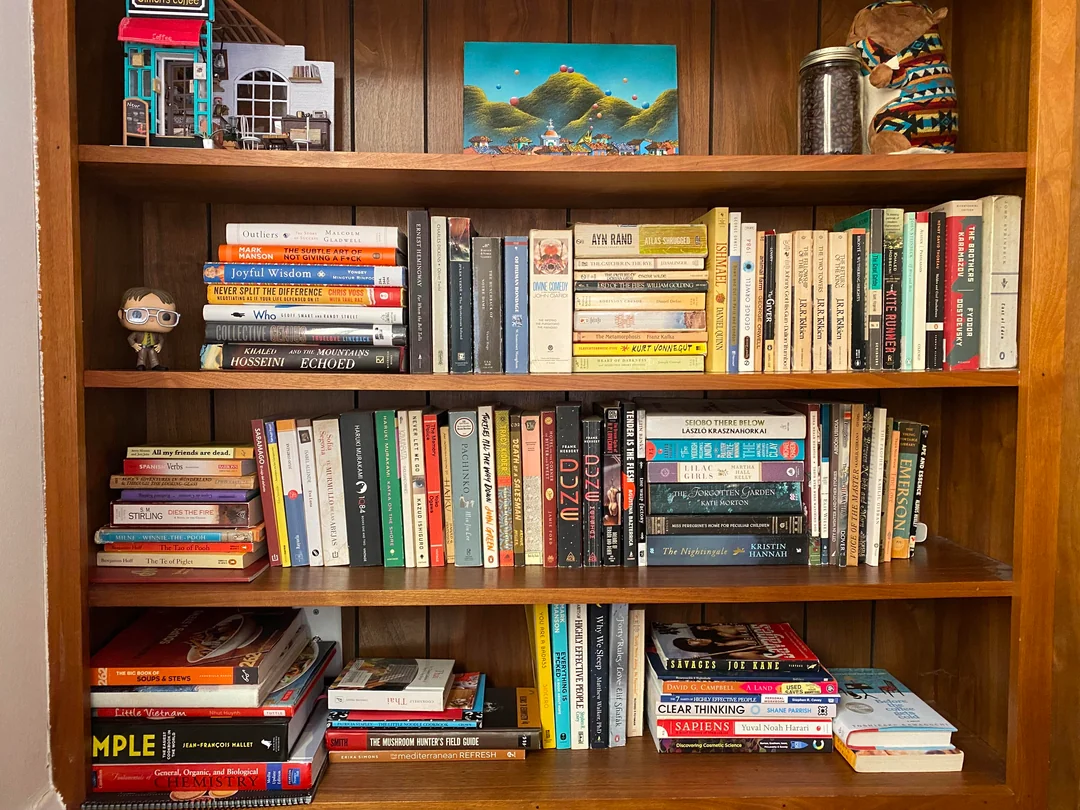
Jun 10, 2026