Shelfology Book Pairing
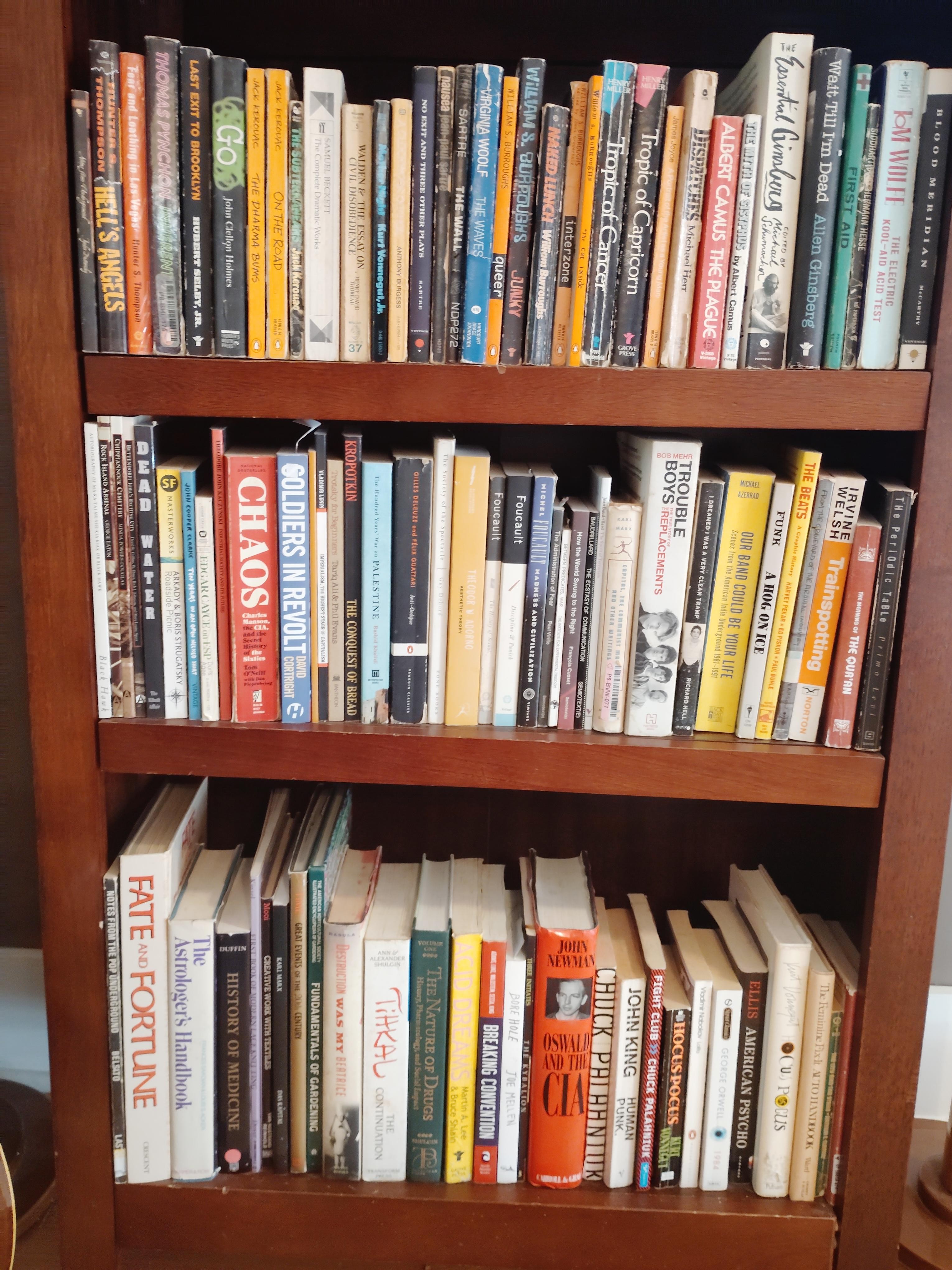
Chaos
Charles Manson, the CIA, and the Secret History of the Sixties
by Tom O'Neill
A journalist's twenty-year fascination with the Manson murders leads to shocking new revelations about the FBI's involvement in this riveting reassessment of an infamous case in American history. Over two grim nights in Los Angeles, the young followers of Charles Manson murdered seven people, including the actress Sharon Tate, then eight months pregnant. With no mercy and seemingly no motive, the Manson Family followed their leader's every order-their crimes lit a flame of paranoia across the nation, spelling the end of the sixties. Manson became one of history's most infamous criminals, his name forever attached to an era when charlatans mixed with prodigies, free love was as possible as brainwashing, and utopia-or dystopia-was just an acid trip away. Twenty years ago, when journalist Tom O'Neill was reporting a magazine piece about the murders, he worried there was nothing new to say. Then he unearthed shocking evidence of a cover-up behind the "official" story, including police carelessness, legal misconduct, and potential surveillance by intelligence agents. When a tense interview with Vincent Bugliosi-prosecutor of the Manson Family, and author of Helter Skelter-turned a friendly source into a nemesis, O'Neill knew he was onto something. But every discovery brought more questions: Who were Manson's real friends in Hollywood, and how far would they go to hide their ties? Why didn't law enforcement, including Manson's own parole officer, act on their many chances to stop him? And how did Manson-an illiterate ex-con-turn a group of peaceful hippies into remorseless killers? O'Neill's quest for the truth led him from reclusive celebrities to seasoned spies, from San Francisco's summer of love to the shadowy sites of the CIA's mind-control experiments, on a trail rife with shady cover-ups and suspicious coincidences. The product of two decades of reporting, hundreds of new interviews, and dozens of never-before-seen documents from the LAPD, the FBI, and the CIA, CHAOS mounts an argument that could be, according to Los Angeles Deputy District Attorney Steven Kay, strong enough to overturn the verdicts on the Manson murders. This is a book that overturns our understanding of a pivotal time in American history.
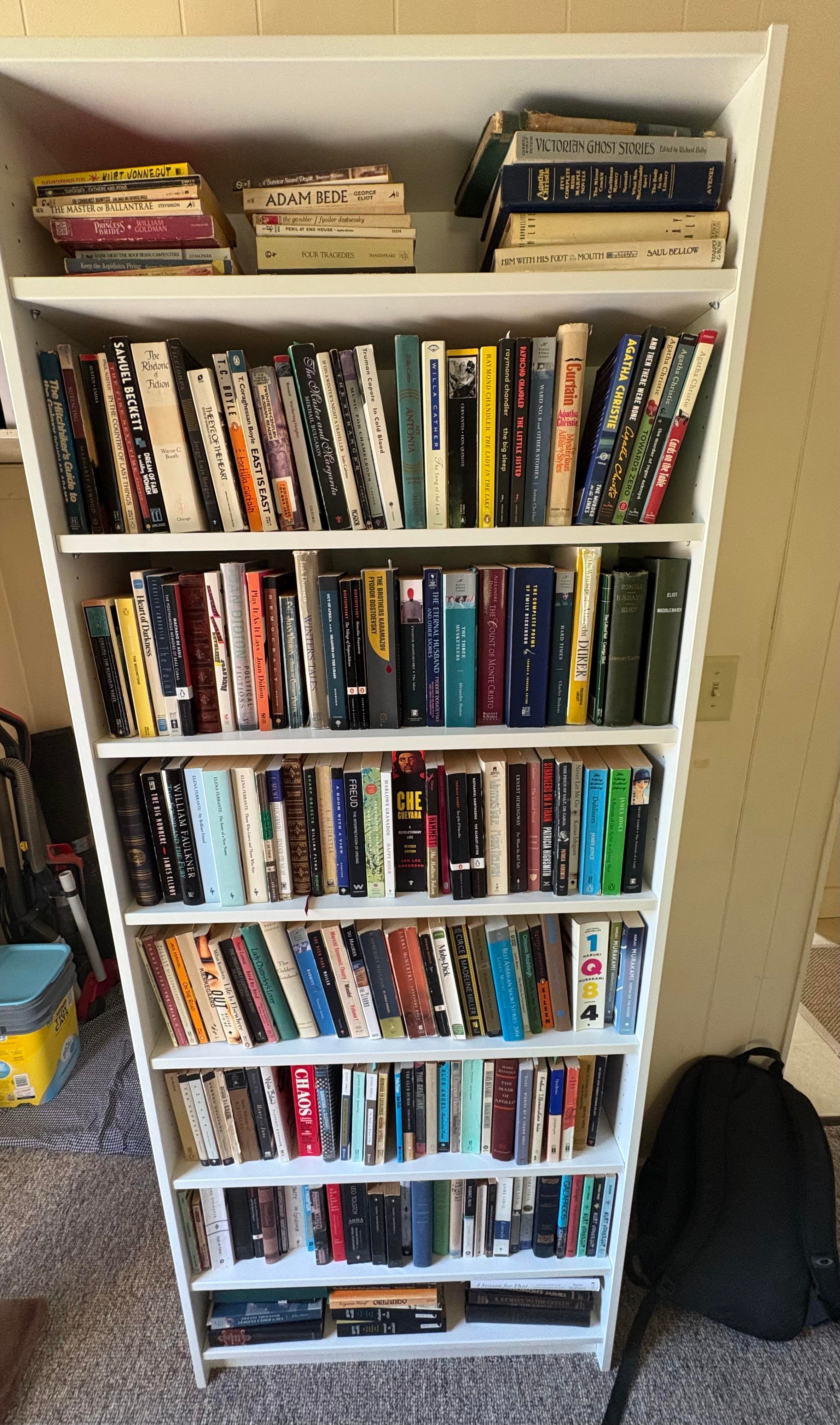
A Portrait of the Artist as a Young Man
By James Joyce
by James Joyce
A Portrait of the Artist as a Young Man is Joyce's first novel, published after the previous success of his short story collection Dubliners. The novel is written in a modernist style, with dialog and narration blending together in a kind of stream-of-consciousness meant to invoke the blurriness of memory.Joyce originally planned writing a realist autobiographical novel of 63 chapters titled Stephen Hero. He abandoned the attempt halfway through, and refocused his efforts on Portrait, a shorter, sharper work in the modernist style. His alter-ego remained Stephen Dedalus, named after Daedalus, the mythological Greek craftsman and father of Icarus. Portrait was written while he was waiting for Dubliners to be published, a process that took eight years and so frustrated Joyce that he once threw the manuscript of Portrait into a fire, causing his family to run to save it.The novel closely traces Joyce's early years. Like his alter-ego Stephen, Joyce was born into a middle-class family and lived in Dublin as they descended into poverty; he rebelled against his Irish Catholic upbringing to become a star student at Dublin University, and put aside thoughts of priesthood or medicine, the other careers offered him, to become a writer. Joyce doesn't shy away from sensitive topics, presenting the discoveries of youth in all of their physical detail, including Stephen's teenage visits to prostitutes (which also mirror Joyce's youth, and were how he probably contracted the suspected syphilis that plagued his vision and tortured his health for the rest of his life), and the homosexual explorations of children at a Jesuit school.The writing is in the free indirect style, allowing the narrator to both focus on Stephen and present characters and events through his eyes, until the last chapter, where Stephen's first-person diary entries suggest he's finally found his voice. As the novel progresses, the syntax and vocabulary also grow in complexity, reflecting Stephen's own developmen
These books are Distant Cousins
These books sit together on 2 different collections in our database