Shelfology Book Pairing
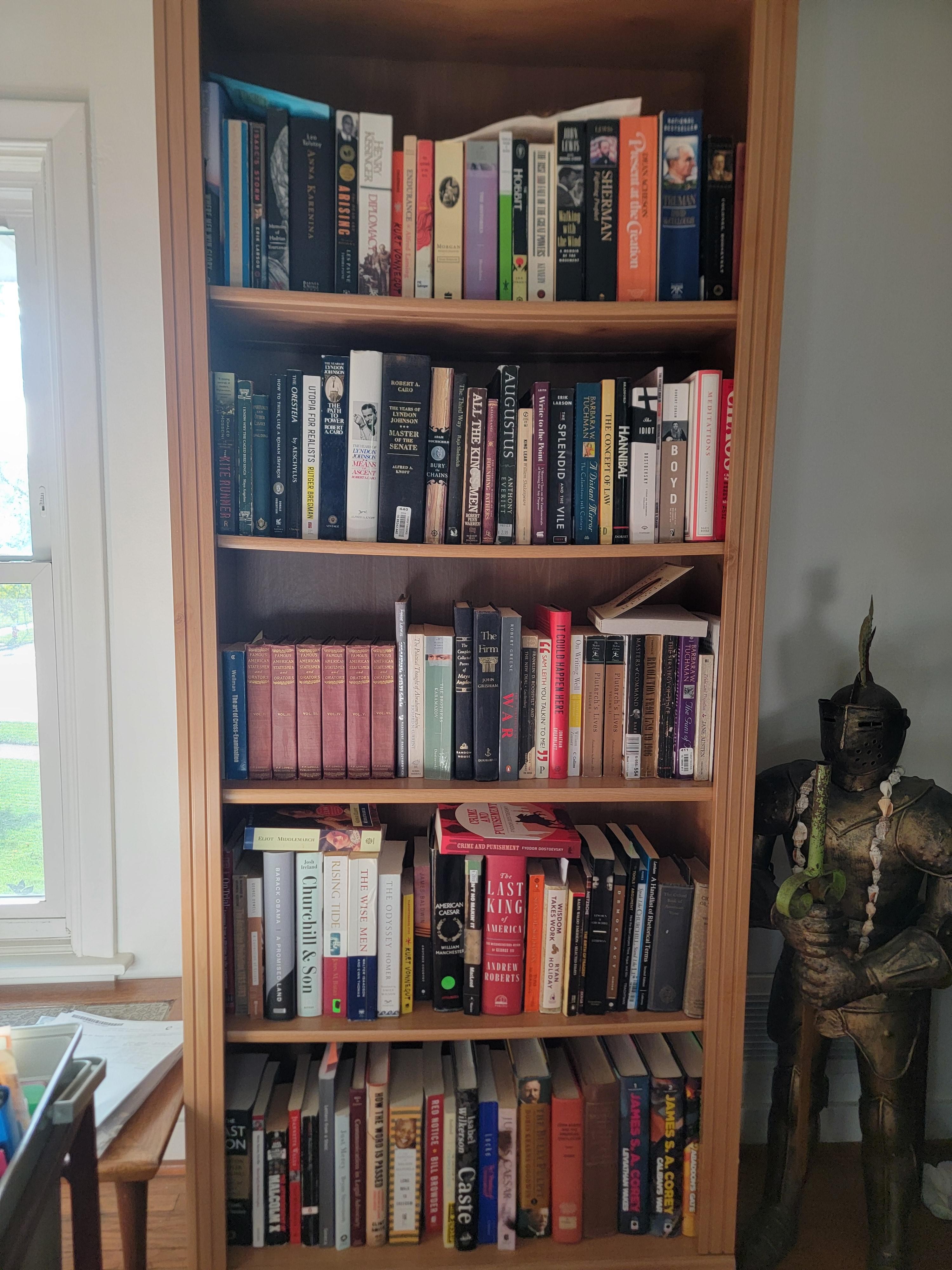
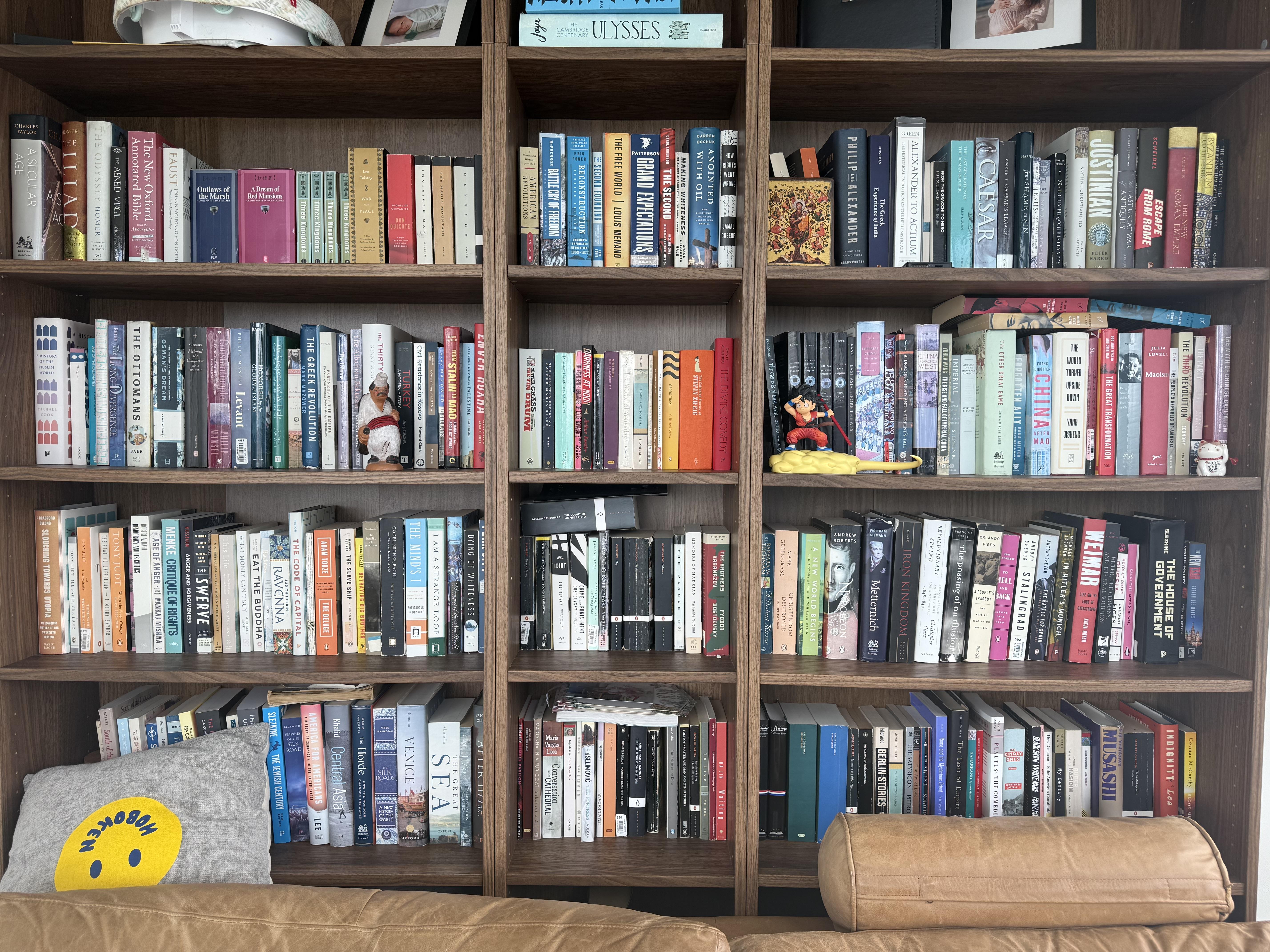
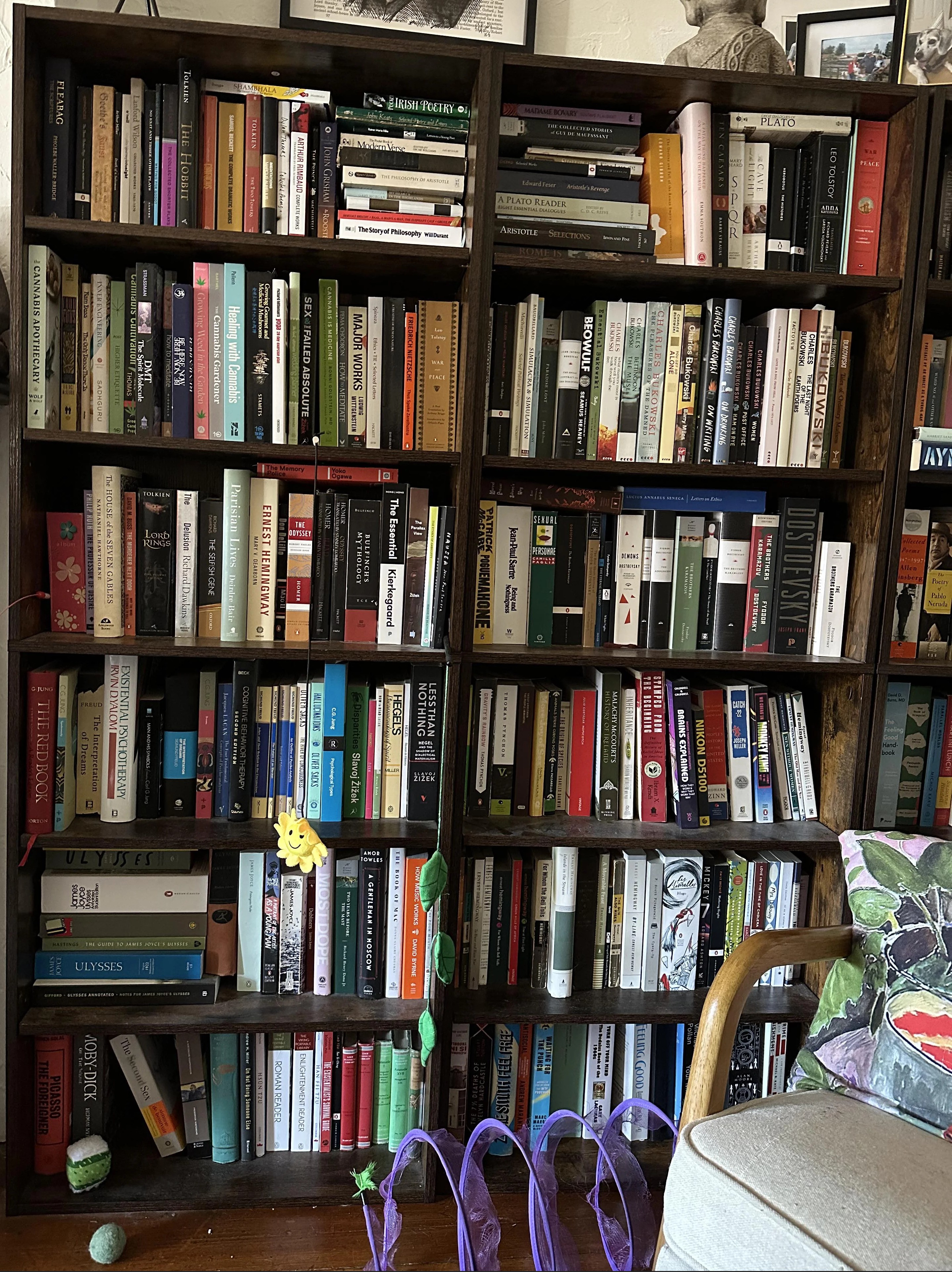
A Distant Mirror
The Calamitous 14th Century
by Barbara W. Tuchman
A “marvelous history”* of medieval Europe, from the bubonic plague and the Papal Schism to the Hundred Years’ War, by the Pulitzer Prize–winning author of The Guns of August *Lawrence Wright, author of The End of October, in The Wall Street Journal The fourteenth century reflects two contradictory images: on the one hand, a glittering age of crusades, cathedrals, and chivalry; on the other, a world plunged into chaos and spiritual agony. In this revelatory work, Barbara W. Tuchman examines not only the great rhythms of history but the grain and texture of domestic life: what childhood was like; what marriage meant; how money, taxes, and war dominated the lives of serf, noble, and clergy alike. Granting her subjects their loyalties, treacheries, and guilty passions, Tuchman re-creates the lives of proud cardinals, university scholars, grocers and clerks, saints and mystics, lawyers and mercenaries, and, dominating all, the knight—in all his valor and “furious follies,” a “terrible worm in an iron cocoon.” Praise for A Distant Mirror “Beautifully written, careful and thorough in its scholarship . . . What Ms. Tuchman does superbly is to tell how it was. . . . No one has ever done this better.”—The New York Review of Books “A beautiful, extraordinary book . . . Tuchman at the top of her powers . . . She has done nothing finer.”—The Wall Street Journal “Wise, witty, and wonderful . . . a great book, in a great historical tradition.”—Commentary NOTE: This edition does not include color images.
The Idiot
By Fyodor Mikhailovich Dostoevsky
by Fyodor Dostoevsky
"The Idiot" by Fyodor Dostoevsky is a novel written during the late 19th century. The story revolves around Prince Lef Nicolaievitch Muishkin, a young man returning to Russia after spending several years in a Swiss sanatorium for epilepsy. Through the prince, Dostoevsky explores themes of innocence, social dynamics, and the clash between idealism and the harsh realities of life. At the start of the novel, the prince is introduced on a train coming into St. Petersburg, where he meets fellow passengers who engage in conversation about their circumstances and backgrounds. Notably, he encounters Rogojin, a passionate and wealthy man who seems to have a deep interest in a beautiful woman named Nastasia Philipovna. The narrative begins to hint at complex relationships, societal expectations, and Muishkin's unique perspective on life shaped by his illness and previous isolation. The opening chapters set a stage rich with contrasts between characters and unveil the future pivotal role that love and tragedy will play in the lives of these individuals.
These books are No Strangers
These books sit together on 4 different collections in our database