Shelfology Book Pairing
The Divine Comedy
Volume 1: Inferno
by Dante Alighieri
The first part of Dante's epic poem The Divine Comedy, revealing the eternal punishment reserved for such sins as greed, self-deception, political double-dealing and treachery Describing Dante's descent into Hell midway through his life with Virgil as a guide, Inferno depicts a cruel underworld in which desperate figures are condemned to eternal damnation for committing one or more of seven deadly sins. As he descends through nine concentric circles of increasingly agonising torture, Dante encounters doomed souls including the pagan Aeneas, the liar Odysseus, the suicide Cleopatra, and his own political enemies, damned for their deceit. Led by leering demons, the poet must ultimately journey with Virgil to the deepest level of all. Portraying a huge diversity of characters culminating in a horrific vision of Satan, the Inferno broke new ground in the vigour of its language and storytelling. It has had a particular influence on Modernist writers and their successors throughout the world. Printed in English with facing pages in Dante's Italian, this edition offers commentaries and notes on each canto by Robert Kirkpatrick. For more than seventy years, Penguin has been the leading publisher of classic literature in the English-speaking world. With more than 1,700 titles, Penguin Classics represents a global bookshelf of the best works throughout history and across genres and disciplines. Readers trust the series to provide authoritative texts enhanced by introductions and notes by distinguished scholars and contemporary authors, as well as up-to-date translations by award-winning translators.
Don Quixote
by Miguel de Cervantes
Don Quixote or Spanish: fully titled The Ingenious Gentleman Don Quixote of La Mancha (Spanish: El ingenioso hidalgo don Quijote de la Mancha , is a Spanish novel by Miguel de Cervantes Saavedra. Published in two volumes, in 1605 and 1615, Don Quixote is considered the most influential work of literature from the Spanish Golden Age and the entire Spanish literary canon. As a founding work of modern Western literature and one of the earliest canonical novels, it regularly appears high on lists of the greatest works of fiction ever published, such as the Bokklubben World Library collection that cites Don Quixote as authors' choice for the "best literary work ever written".The story follows the adventures of a hidalgo named Mr. Alonso Quixano who reads so many chivalric romances that he loses his sanity and decides to set out to revive chivalry, undo wrongs, and bring justice to the world, under the name Don Quixote de la Mancha. He recruits a simple farmer, Sancho Panza, as his squire, who often employs a unique, earthy wit in dealing with Don Quixote's rhetorical orations on antiquated knighthood. Don Quixote, in the first part of the book, does not see the world for what it is and prefers to imagine that he is living out a knightly story. Throughout the novel, Cervantes uses such literary techniques as realism, metatheatre, and intertextuality. It had a major influence on the literary community, as evidenced by direct references in Alexandre Dumas' The Three Musketeers (1844), Mark Twain's Adventures of Huckleberry Finn (1884) and Edmond Rostand's Cyrano de Bergerac (1897), as well as the word "quixotic". Arthur Schopenhauer cited Don Quixote as one of the four greatest novels ever written, along with Tristram Shandy, La Nouvelle H�lo�se and Wilhelm Meister.
These books are a Natural Match
These books sit together on 22 different collections in our database
This pair was spotted together at:

Nov 23, 2026
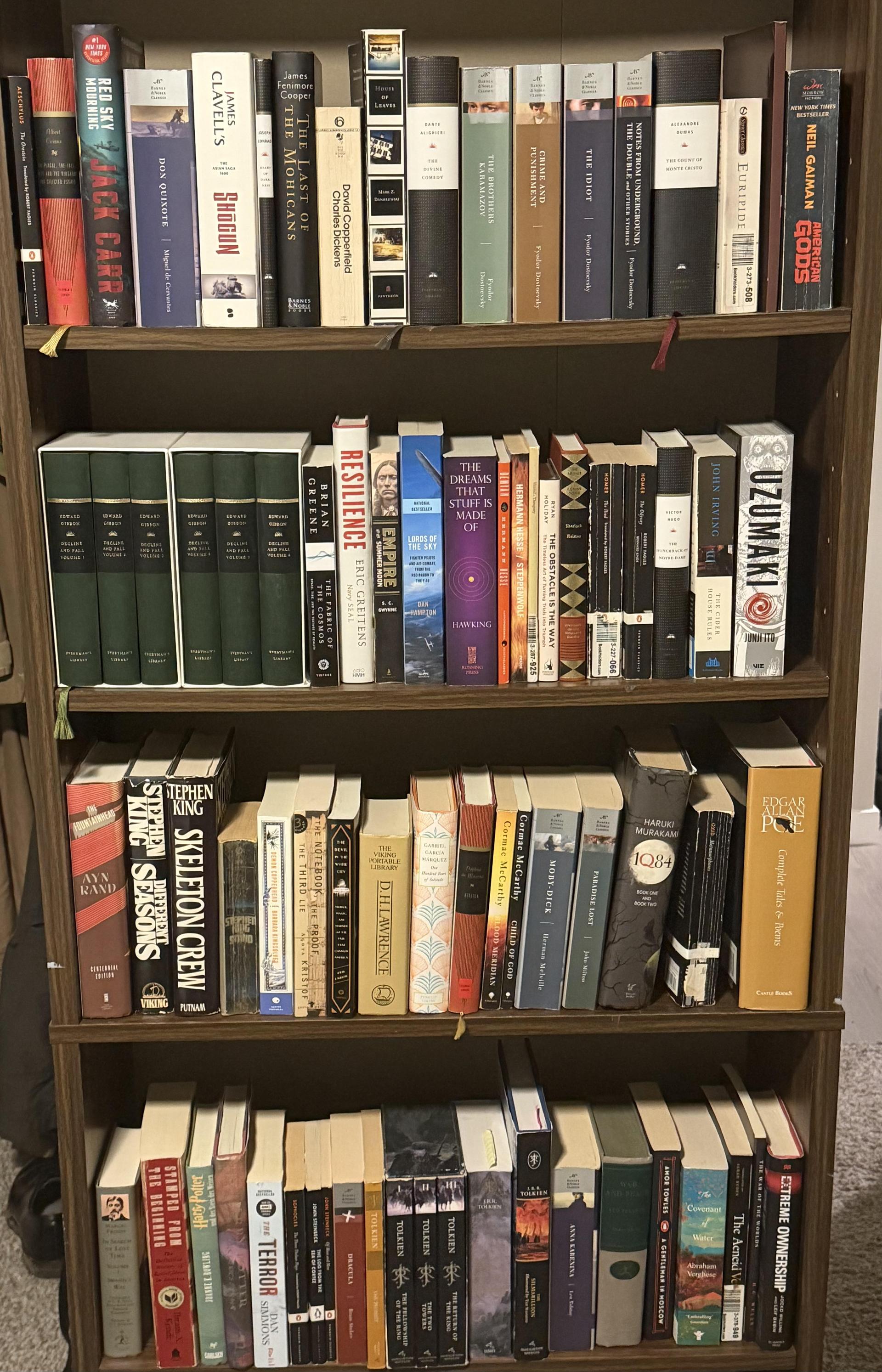
Nov 17, 2026

Nov 13, 2026
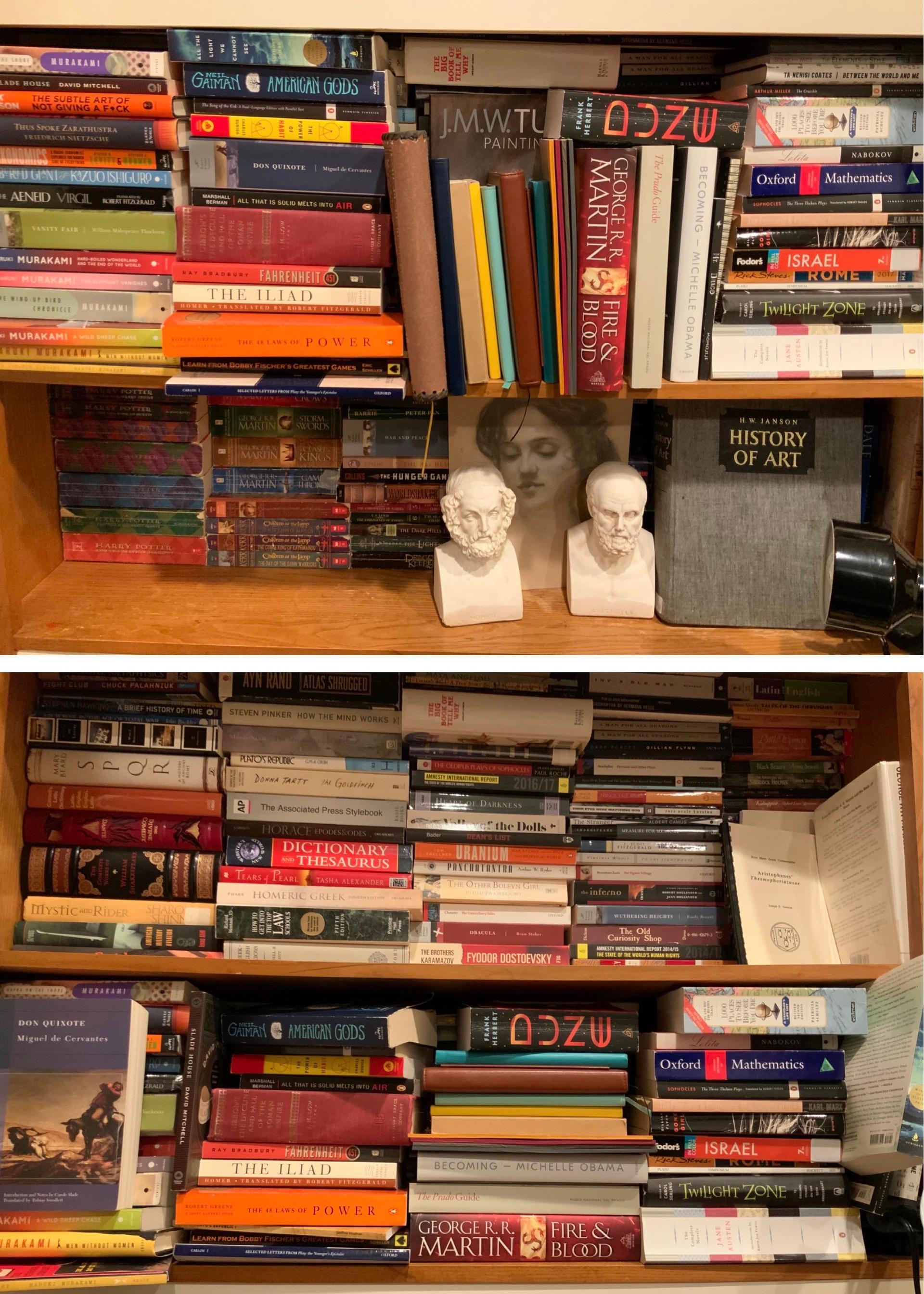
Nov 7, 2026
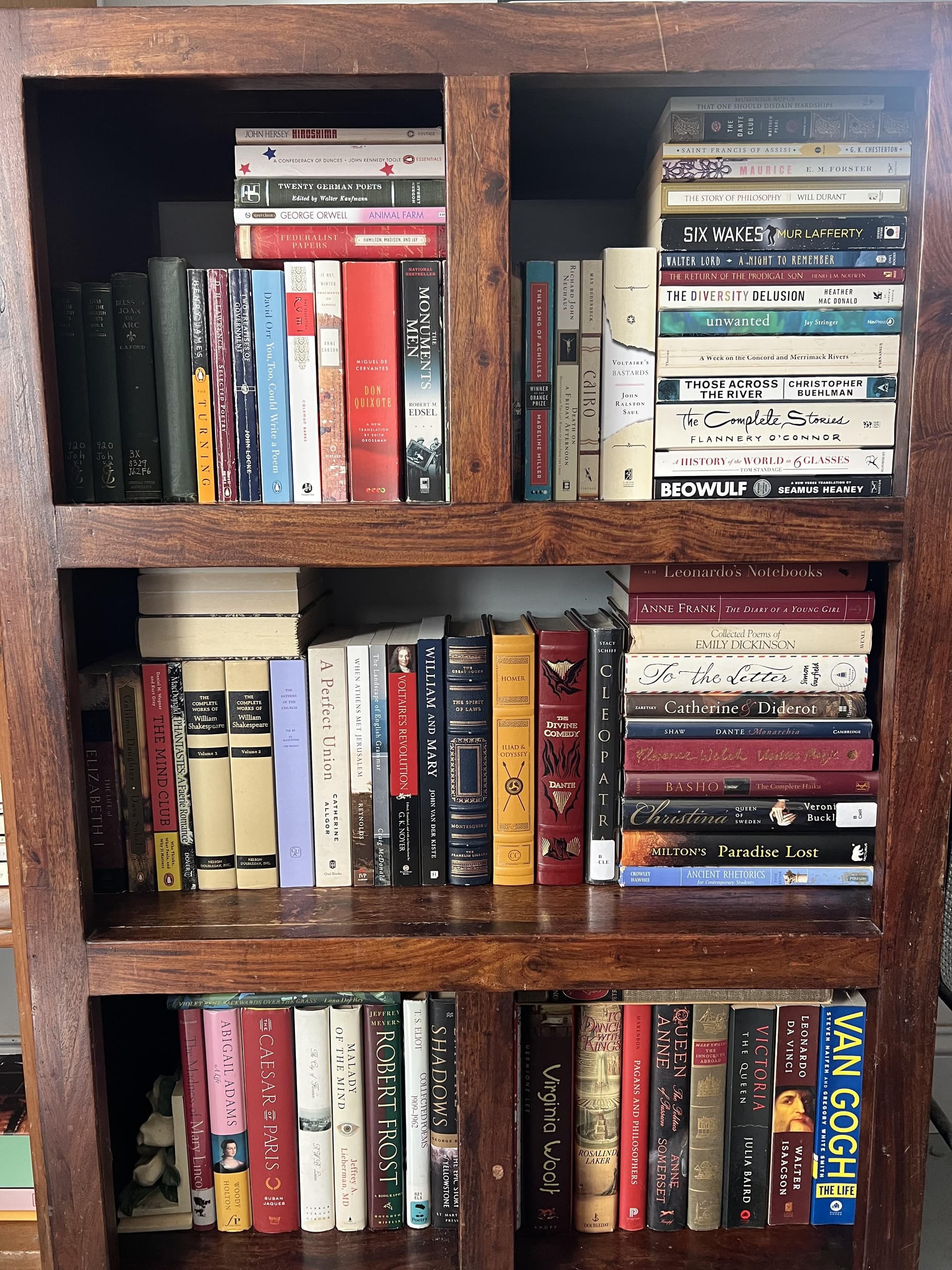
Nov 5, 2026

Nov 1, 2026

Oct 28, 2026
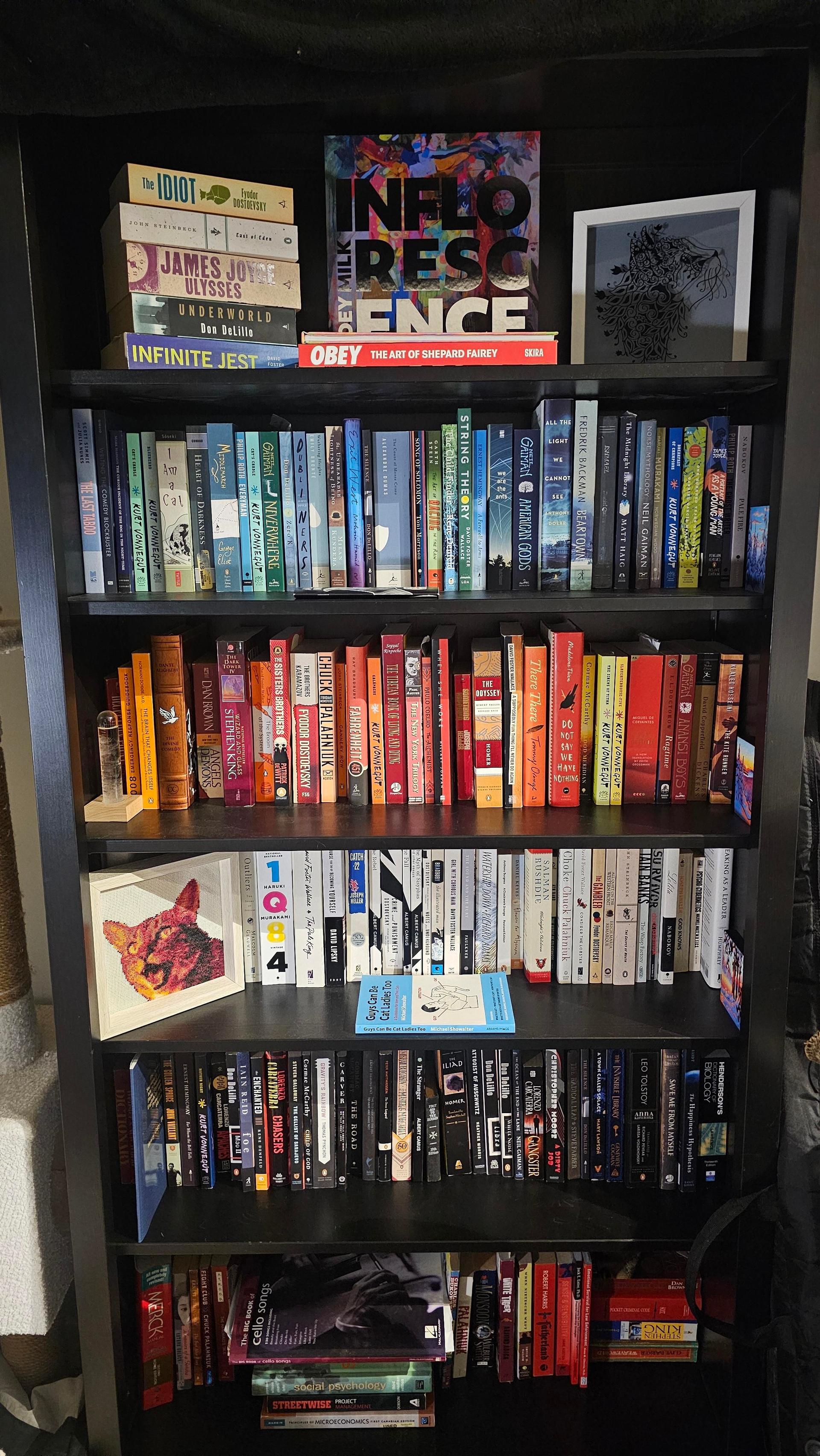
Oct 23, 2026
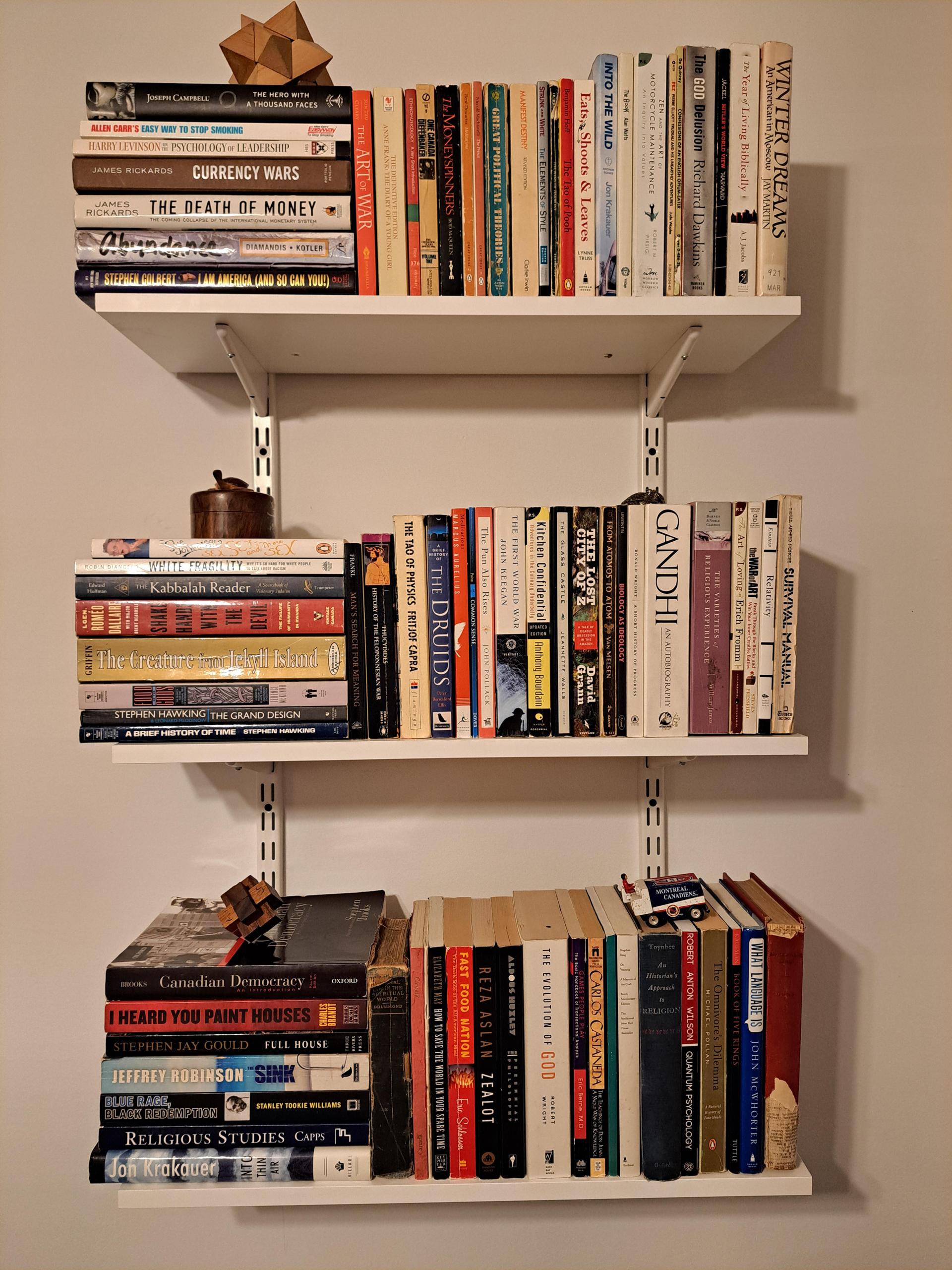
Oct 23, 2026

Oct 23, 2026
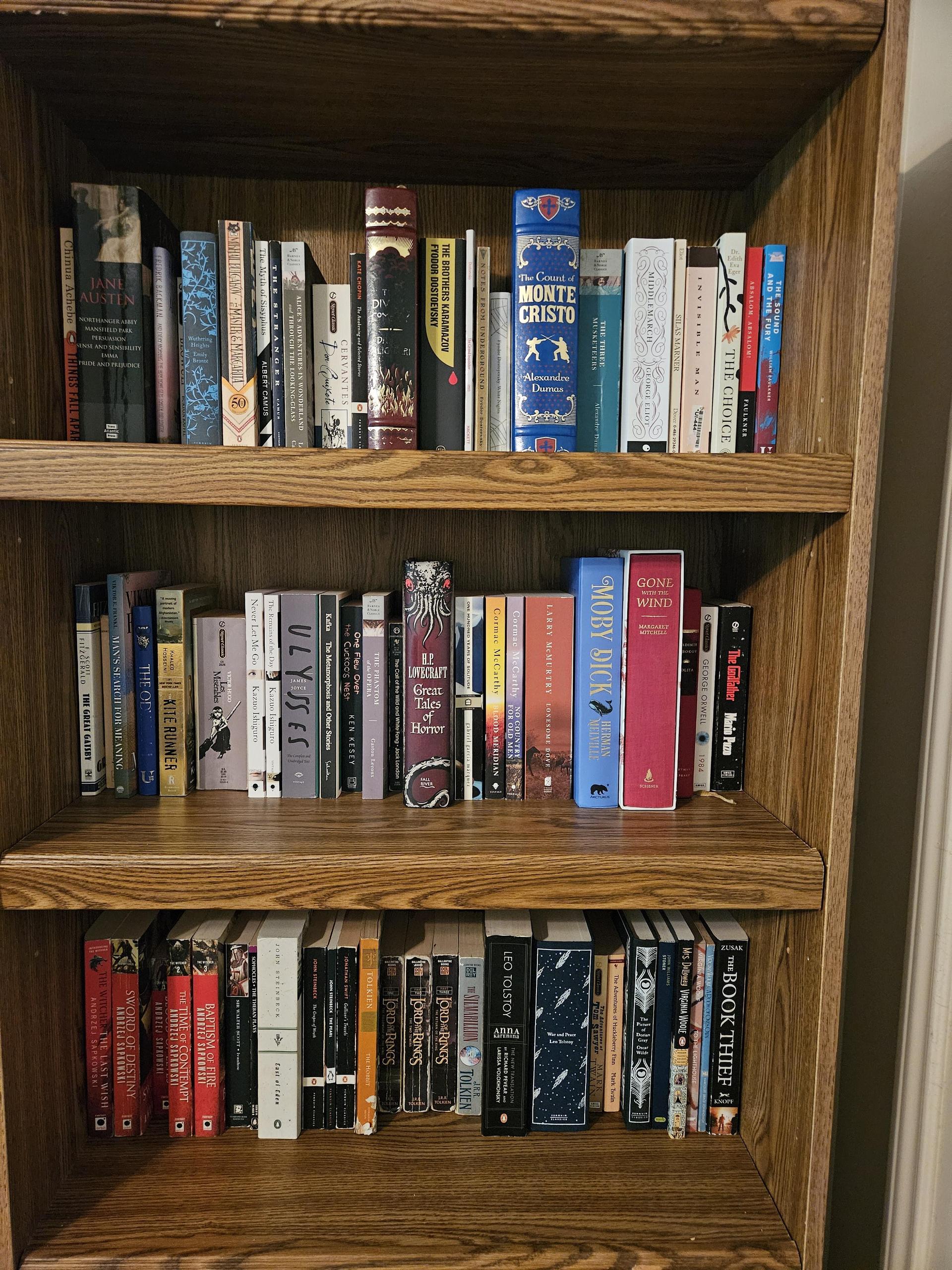
Oct 23, 2026
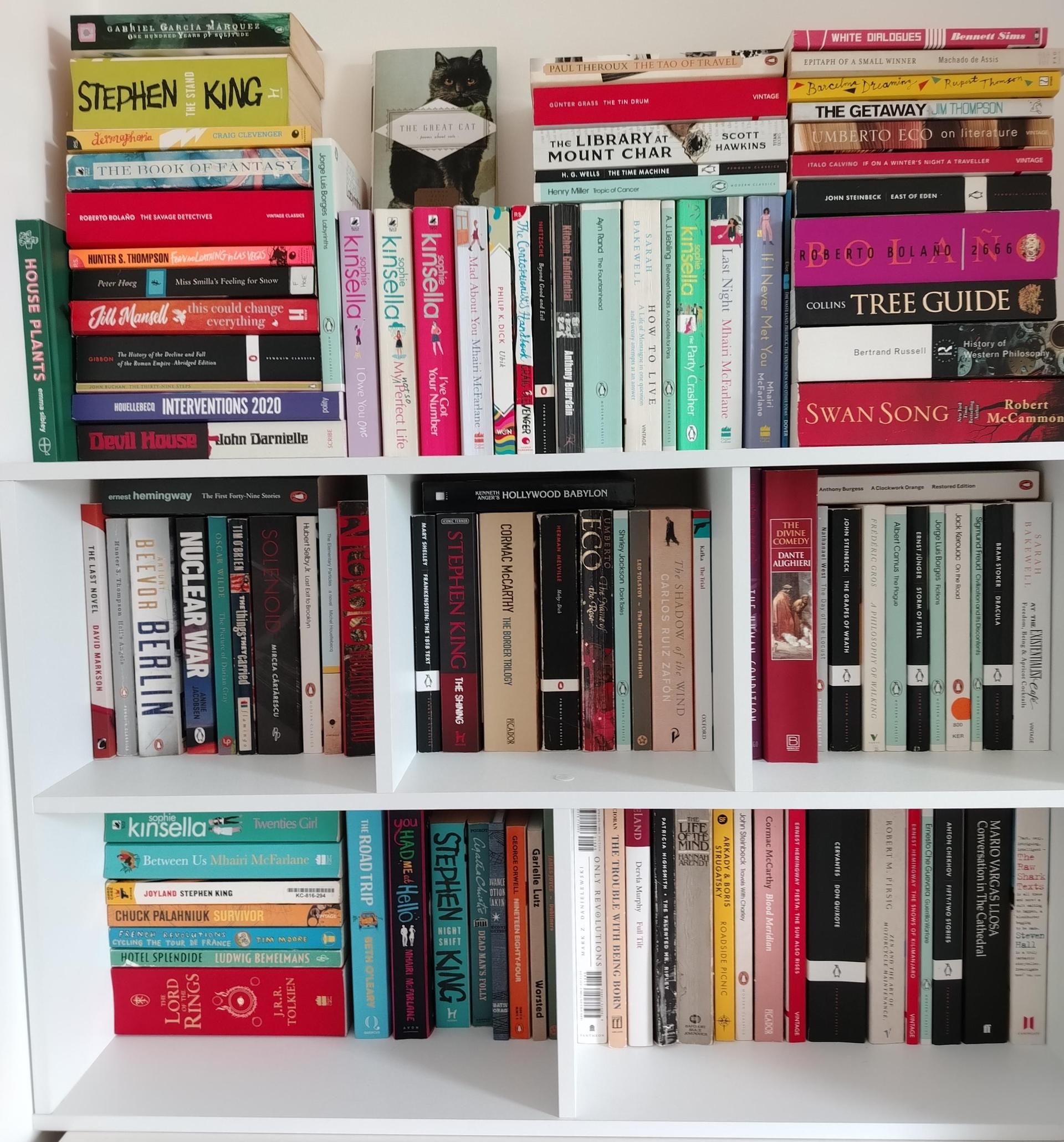
Oct 20, 2026

Oct 13, 2026

Oct 13, 2026
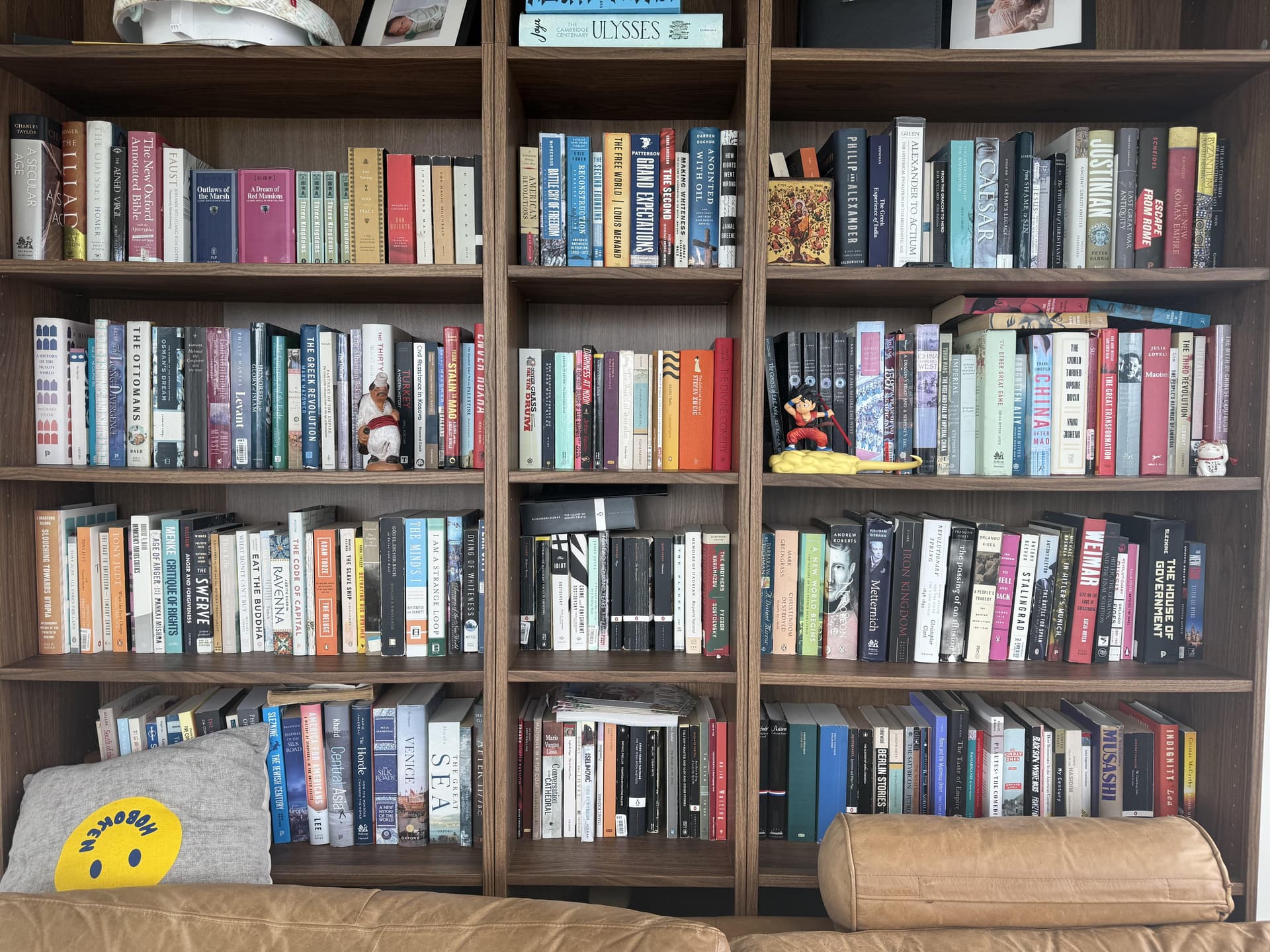
Sep 23, 2026

Sep 21, 2026
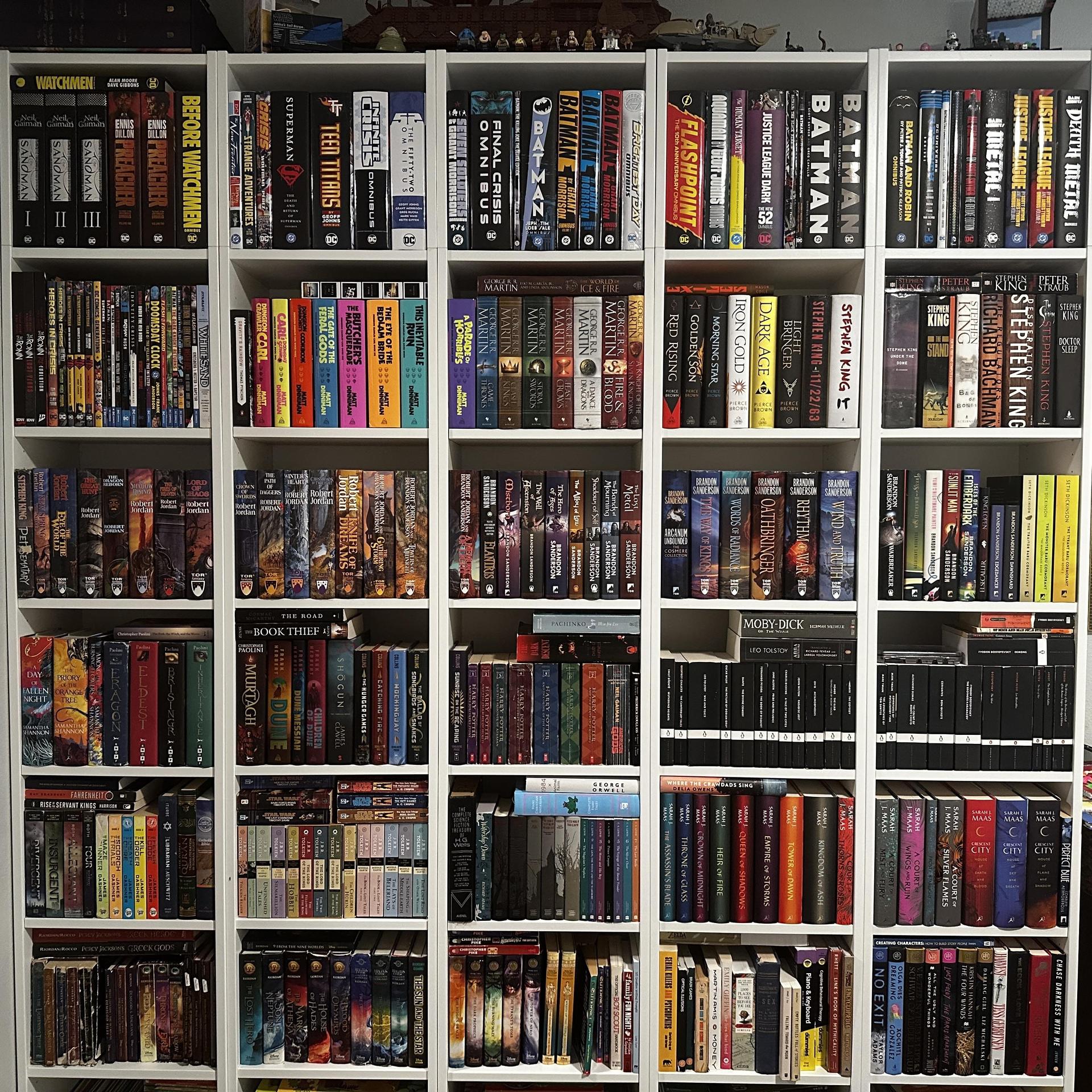
Sep 19, 2026
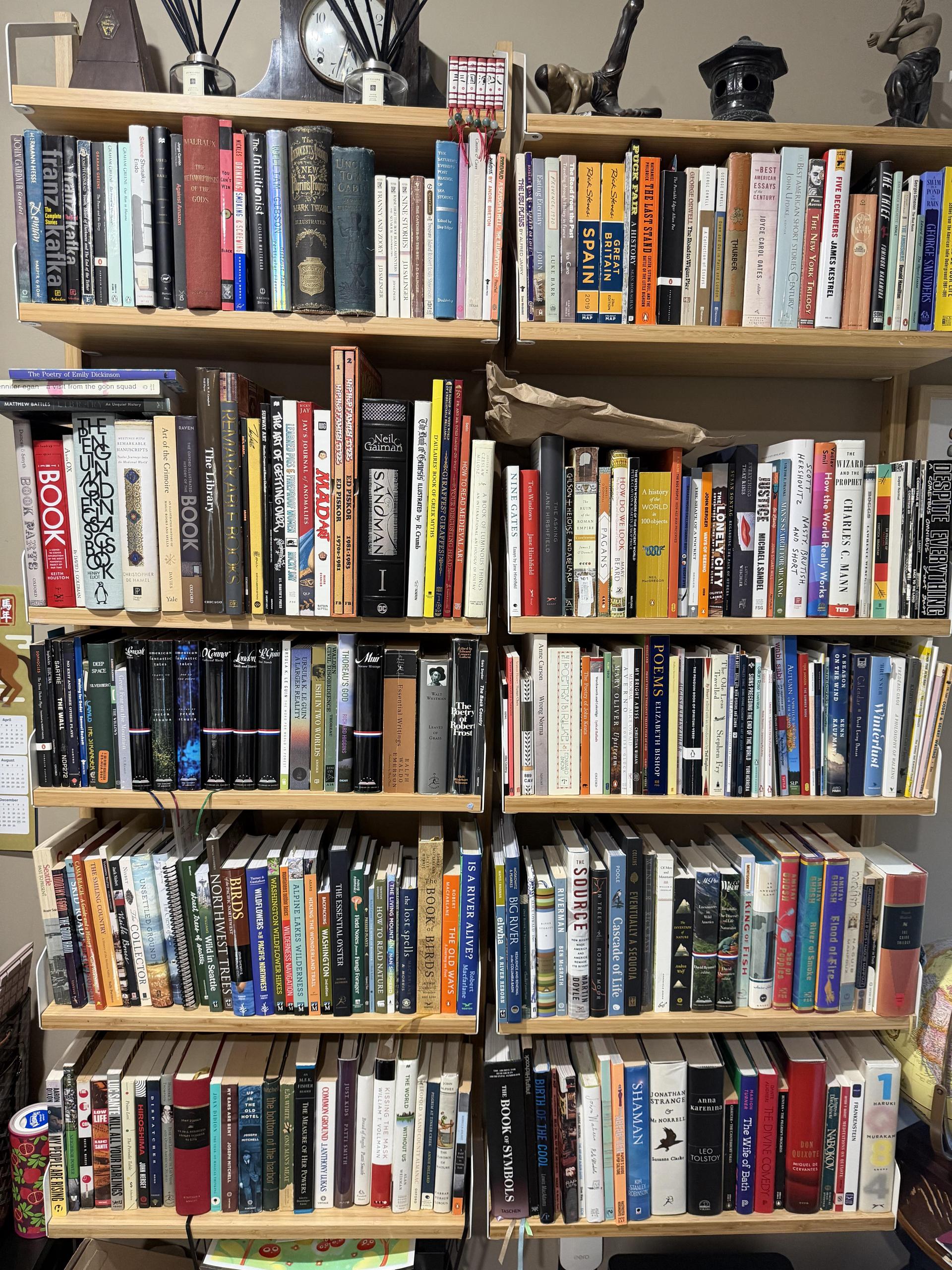
Sep 9, 2026

Aug 28, 2026
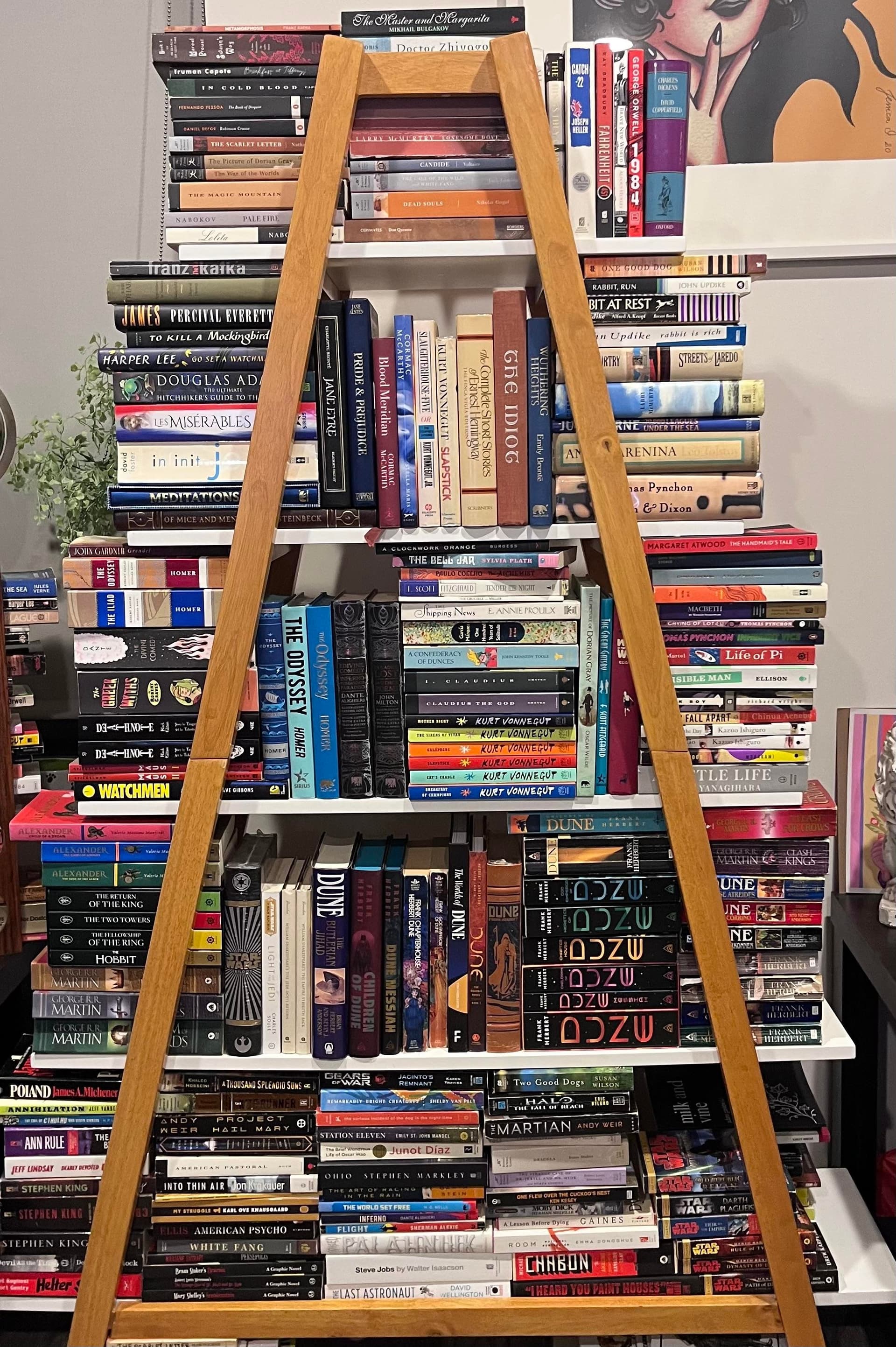
Aug 20, 2026
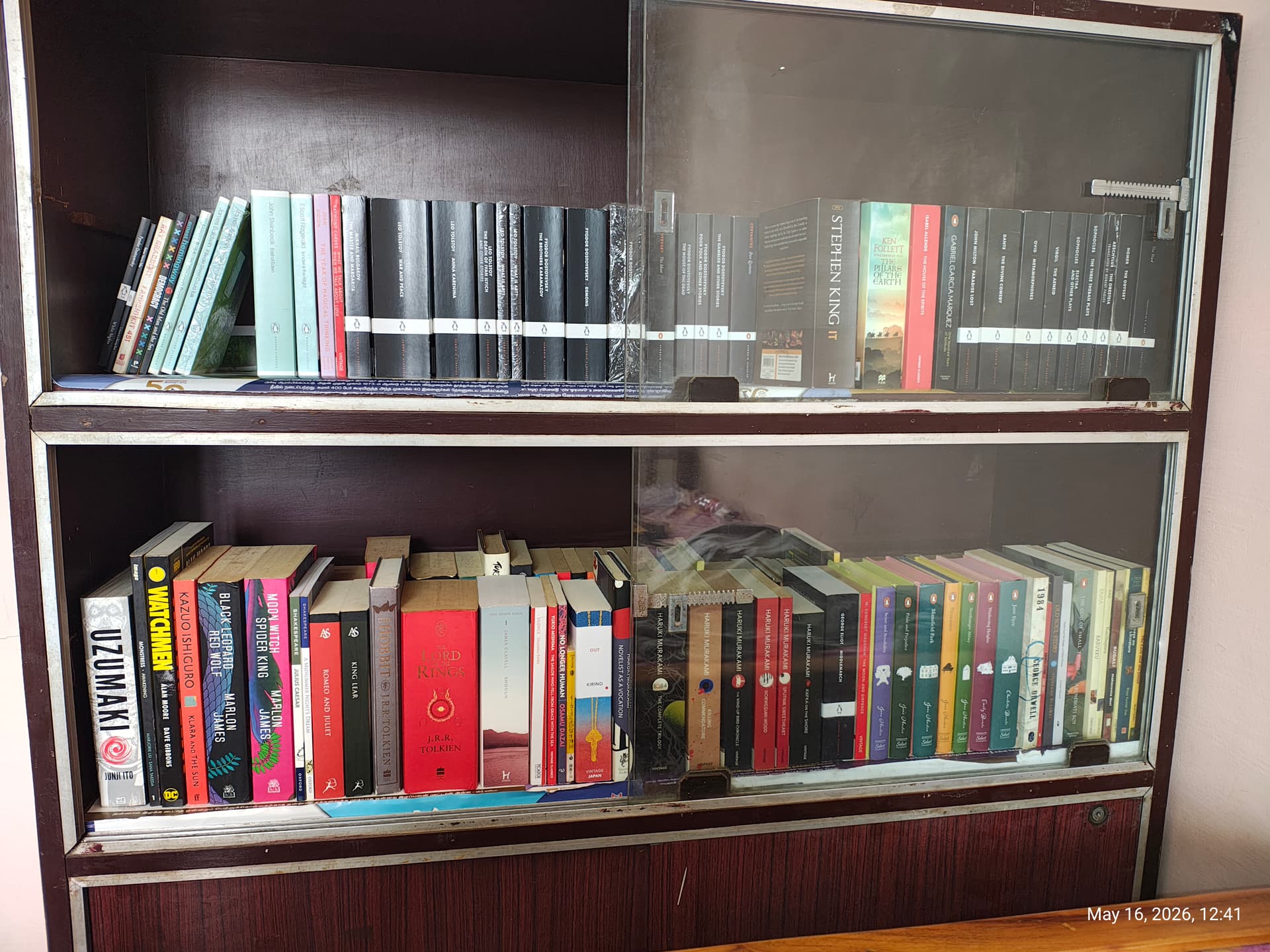
Jun 11, 2026

Jun 10, 2026