Shelfology Book Pairing
Brave New World
Enriched edition.
by Aldous Huxley
Aldous Huxley's "Brave New World" presents a chilling vision of a dystopian future characterized by the pervasive influence of technology and state control over individuals. Written in 1932, this novel employs a satirical yet cautionary tone, utilizing rich, ironic prose to explore the loss of individuality in a society driven by consumerism, genetic engineering, and hedonism. Huxley crafts a technologically advanced world where human beings are conditioned from birth to embrace a predetermined social order, raising profound ethical questions about freedom, happiness, and the cost of progress. Aldous Huxley, a member of a prominent scientific family, was deeply influenced by both the Enlightenment ideals of progress and the emerging anxieties of the early 20th century. His exposure to the early theories of psychology, biology, and the effects of totalitarianism shaped his critical perspective on modern civilization. "Brave New World" serves as both a product of its time and a prophetic warning, reflecting Huxley's concerns about the dehumanizing potential of technological advancement and the inherent risks of sacrificing individuality for societal stability. This landmark work is an essential read for anyone interested in the interplay between technology, society, and human values. Huxley's masterful narrative invites readers to reflect on the moral dilemmas of contemporary life, making it a timeless exploration of the balance between progress and humanity. Engage with "Brave New World" to apprehend its enduring relevance in an age increasingly dominated by technological advancement. In this enriched edition, we have carefully created added value for your reading experience: - A comprehensive Introduction outlines these selected works' unifying features, themes, or stylistic evolutions. - The Author Biography highlights personal milestones and literary influences that shape the entire body of writing. - A Historical Context section situates the works in their broader era—social currents, cultural trends, and key events that underpin their creation. - A concise Synopsis (Selection) offers an accessible overview of the included texts, helping readers navigate plotlines and main ideas without revealing critical twists. - A unified Analysis examines recurring motifs and stylistic hallmarks across the collection, tying the stories together while spotlighting the different work's strengths. - Reflection questions inspire deeper contemplation of the author's overarching message, inviting readers to draw connections among different texts and relate them to modern contexts. - Lastly, our hand‐picked Memorable Quotes distill pivotal lines and turning points, serving as touchstones for the collection's central themes.
The Stranger
(Annotated Edition)
by Albert Camus
The famous lines introducing Meursault's mother open the novel. He is not sure whether she had died today or yesterday since the telegram was not specific. Furthermore he does not really think it matters. He asks for two days off and takes the bus to the home he had put his mother in when he could no longer afford to take care of her. He sleeps on the way there. At the home, Meursault meets the director and the caretaker and is taken to see his mother. He chooses not to look at her and sits by her side as friends come to mourn during the night. He chats with the caretaker, naps, smokes, and has some coffee. In the morning, the funeral procession walks the hour into town for the ceremony. The sun is scorching and Meursault feels more oppressed by the heat than sad over his mother's death. Her fiancé Thomas Pérez however is in tears and must struggle to keep up by taking shortcuts. After the funeral, Meursault catches the bus home and looks forward to sleeping twelve hours.He wakes up the next day and realizes that it is a weekend and is not surprised his boss was annoyed. He gets up late and then decides to go to the beach where he loves to swim. Once there he sees a woman he used to be attracted to at work, Marie Cardona. They are instantly attracted and agree to see a movie later that night. Marie is surprised to hear that Meursault's mother died only yesterday. That night they see a comedy and go back to Meursault's. She is gone the next morning before Meursault gets up. He remembers that he hates Sundays because they are boring so he takes a nap. Finally he gets up, makes lunch and settles on the balcony to watch people pass. Different crowds move by throughout the day including families, soccer fans, and moviegoers. He eats dinner standing up, watches some more, and then moves inside when it gets colder and darker.
These books are a Natural Match
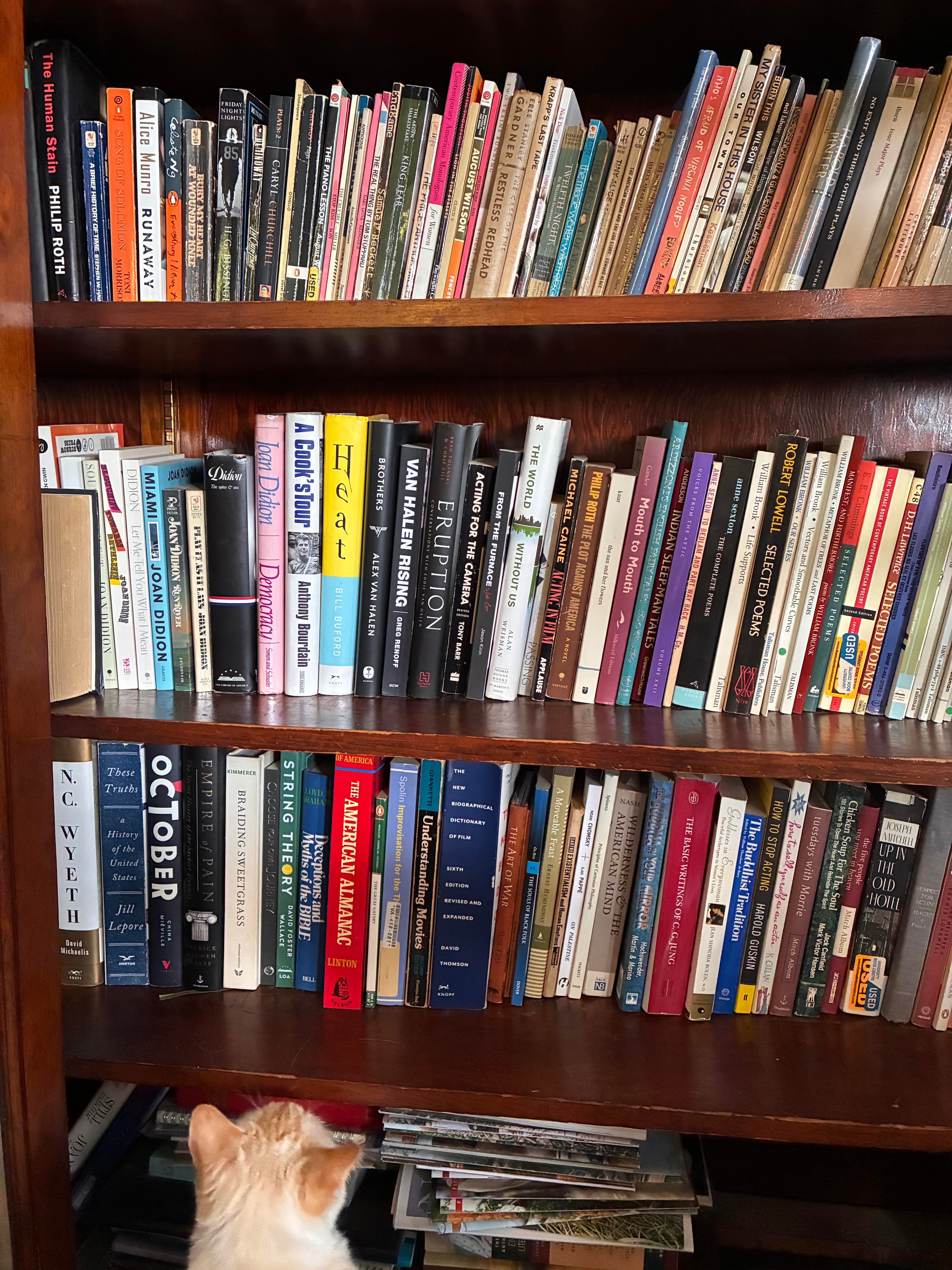
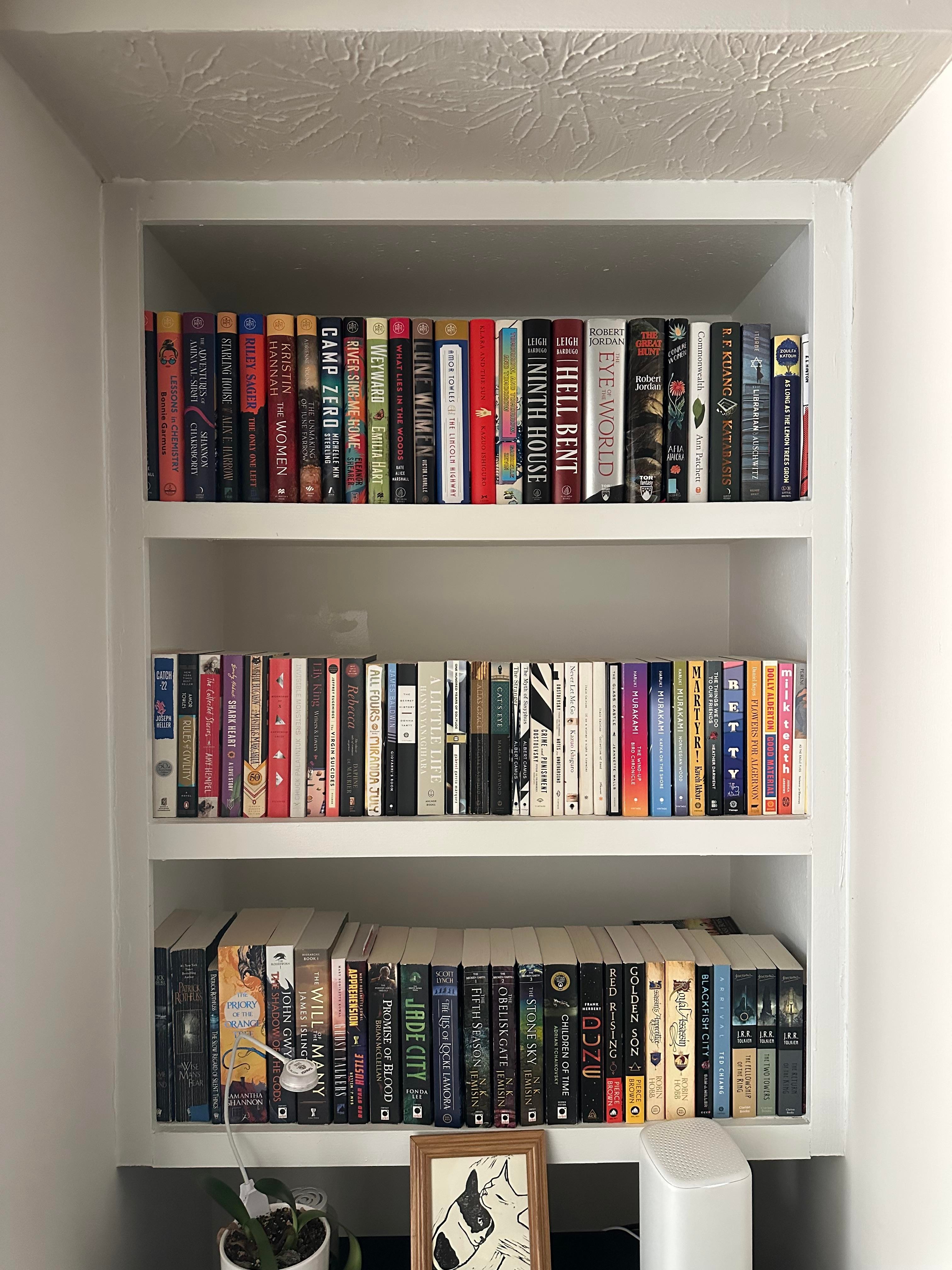
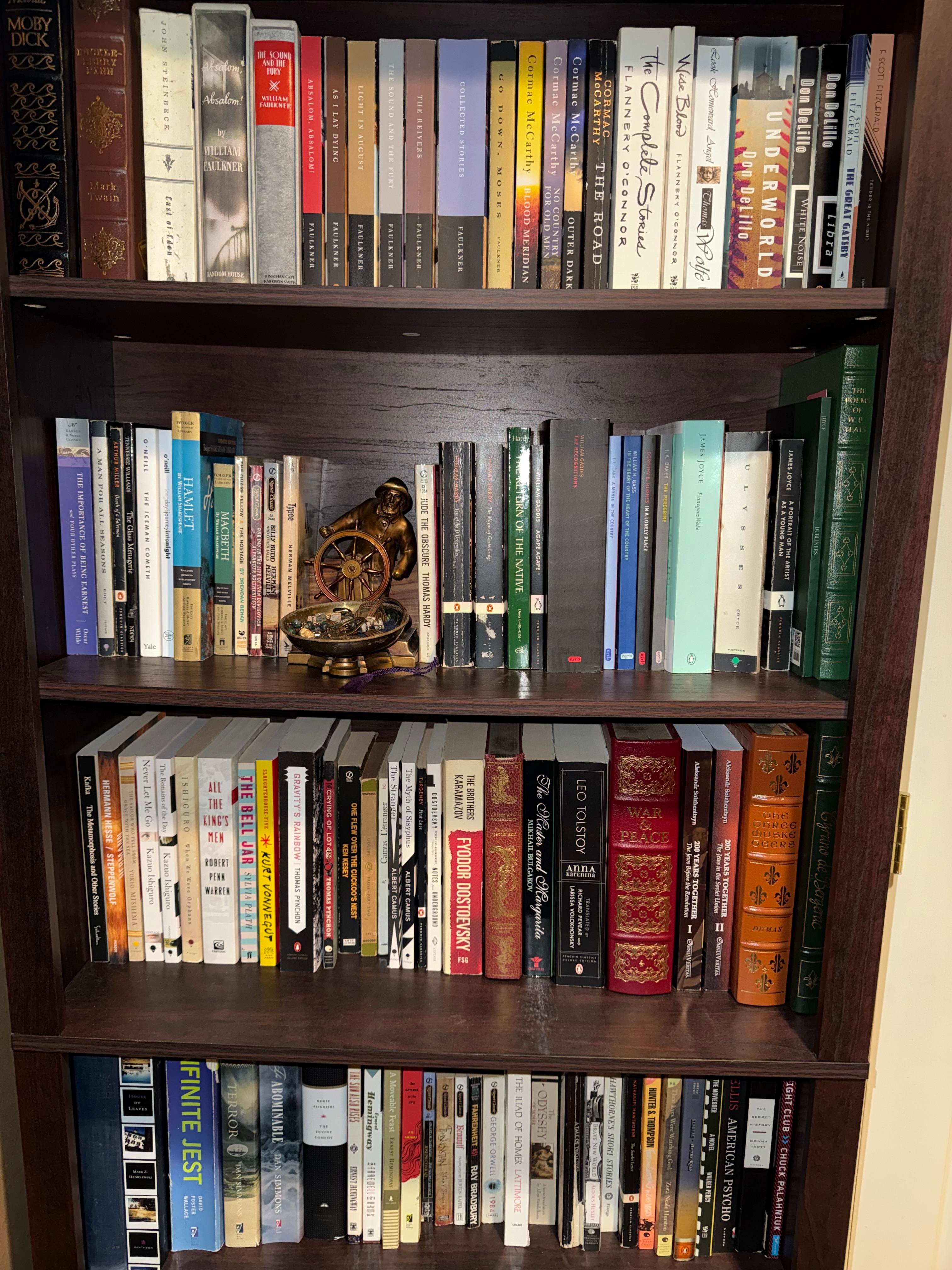
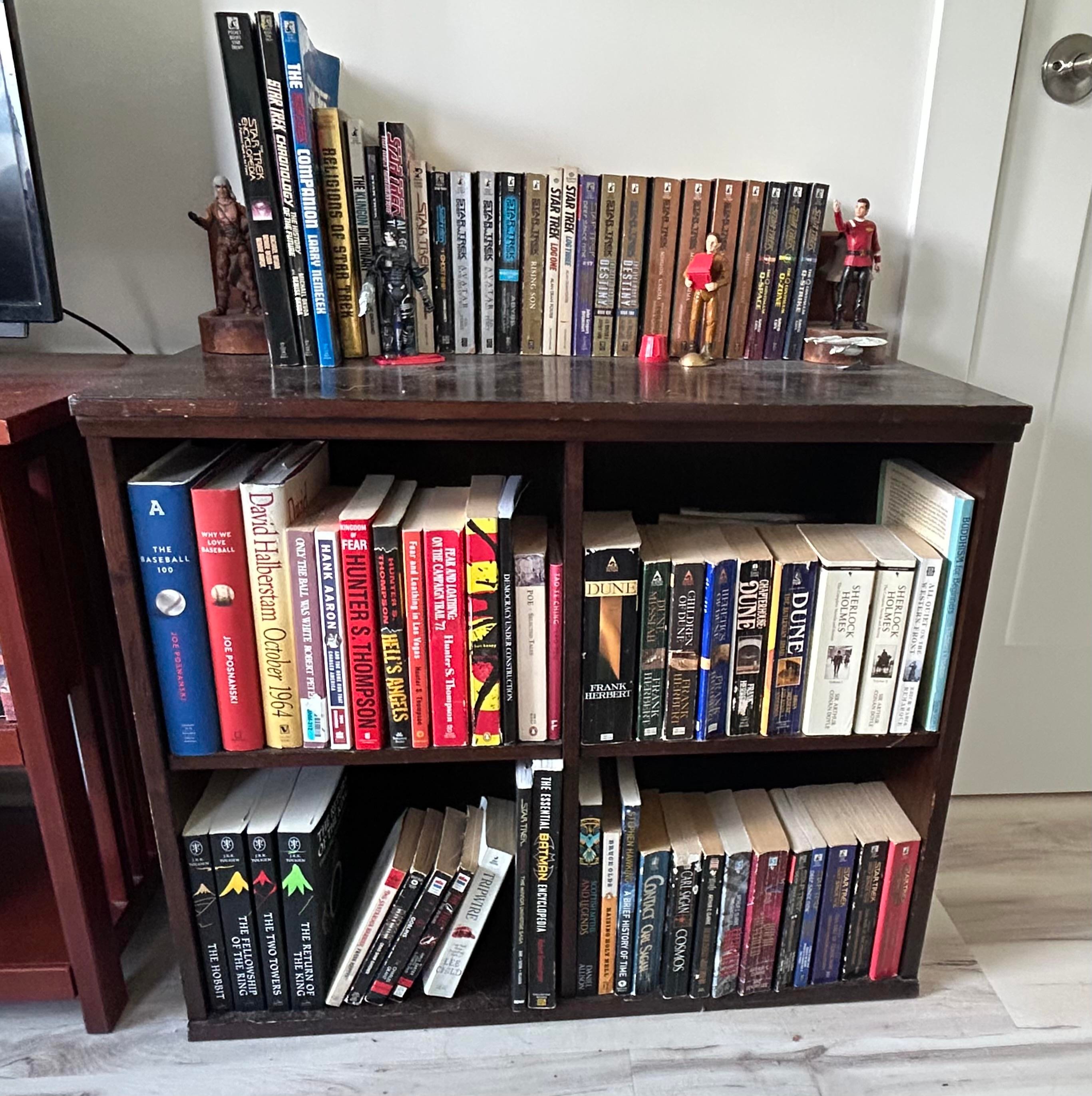
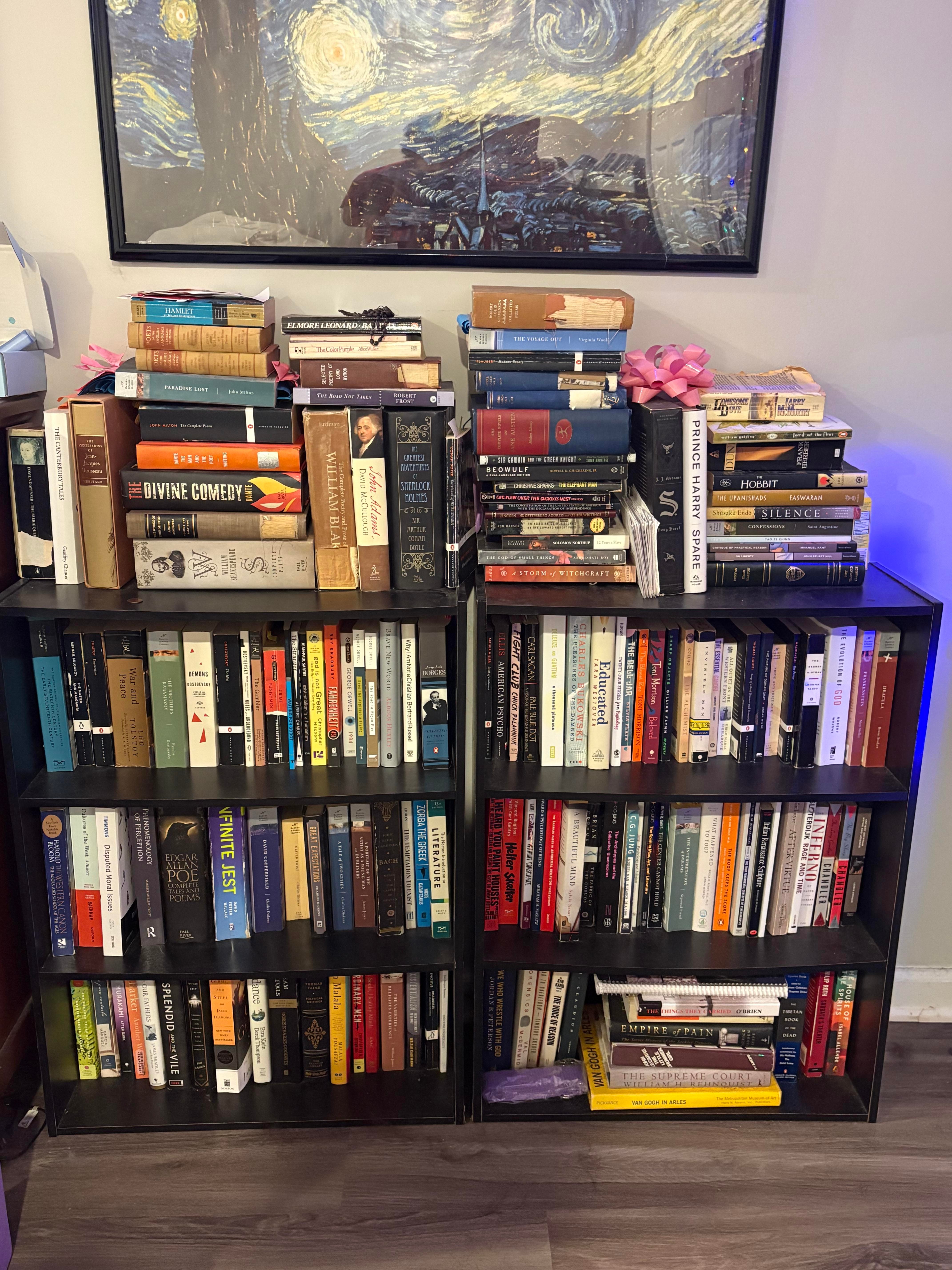
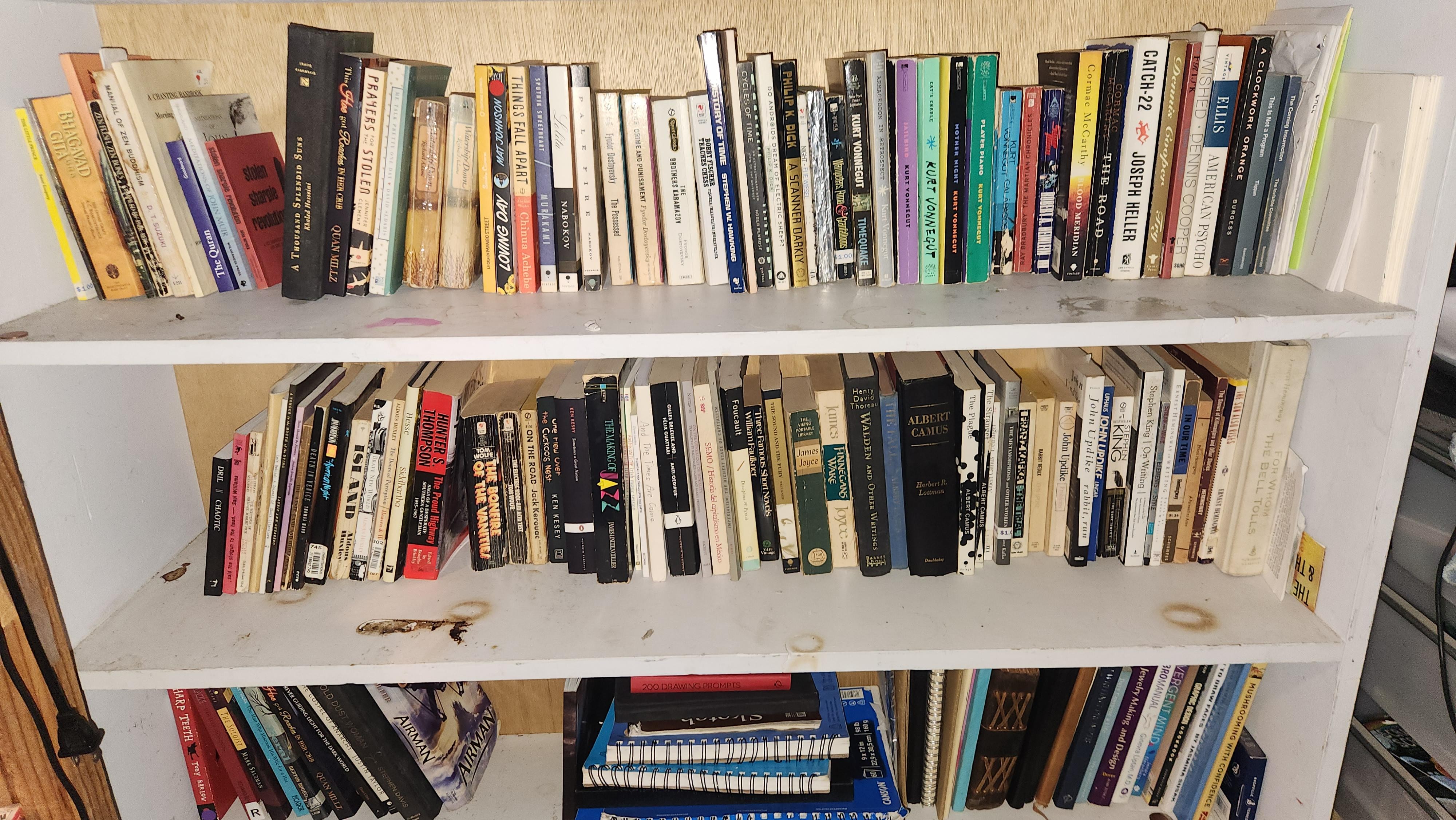
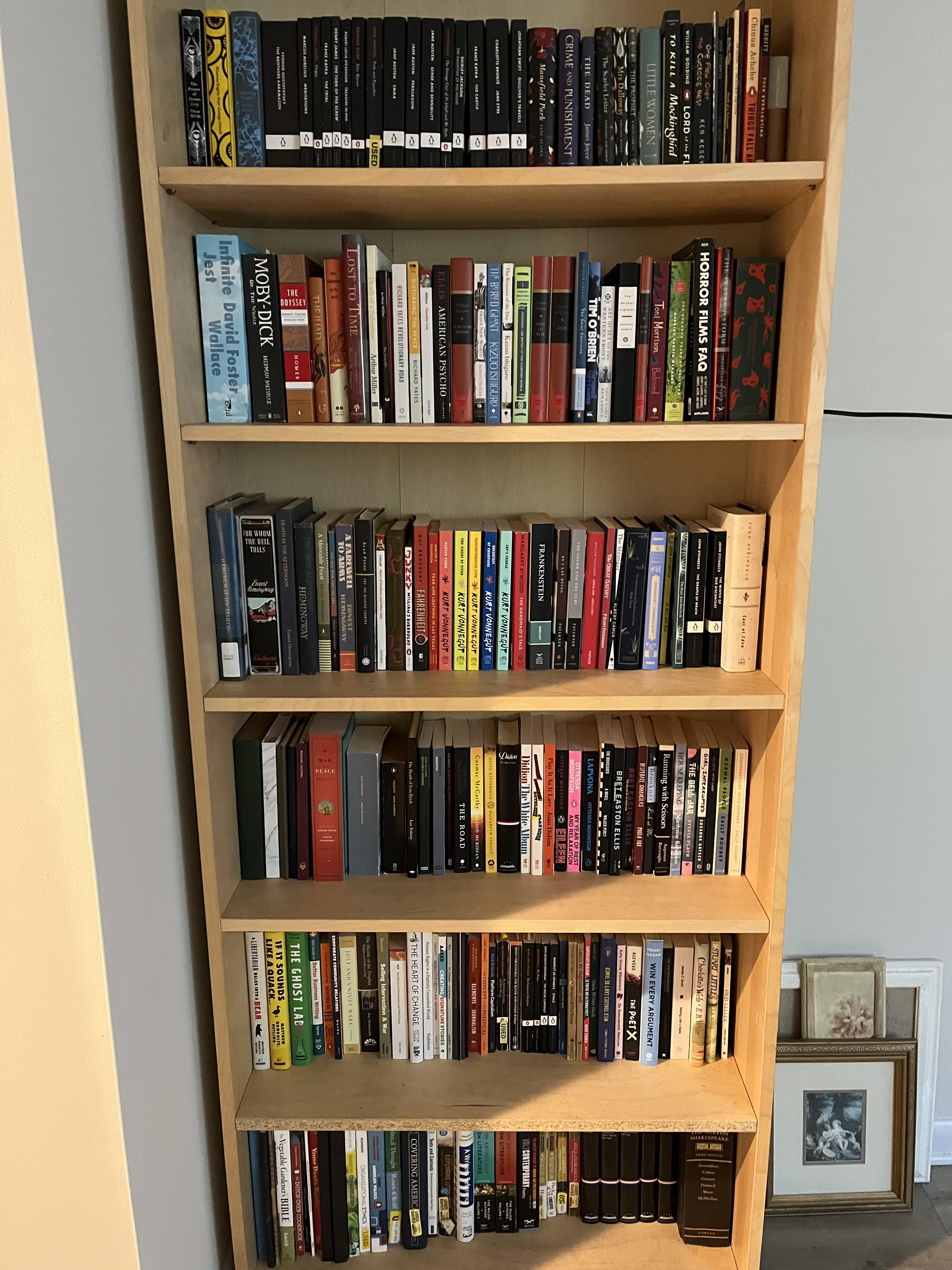
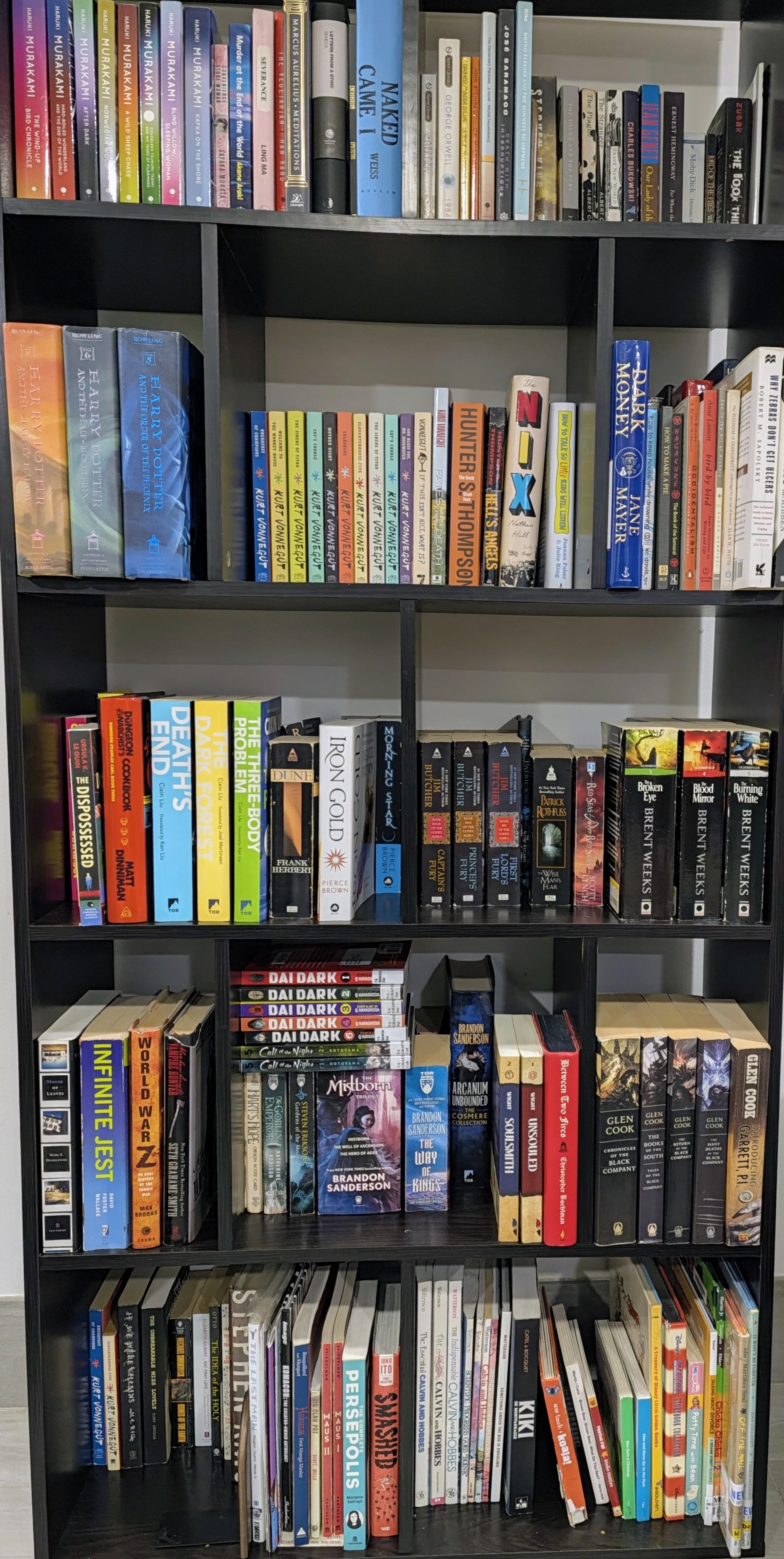
These books sit together on 17 different collections in our database
This pair was spotted together at:
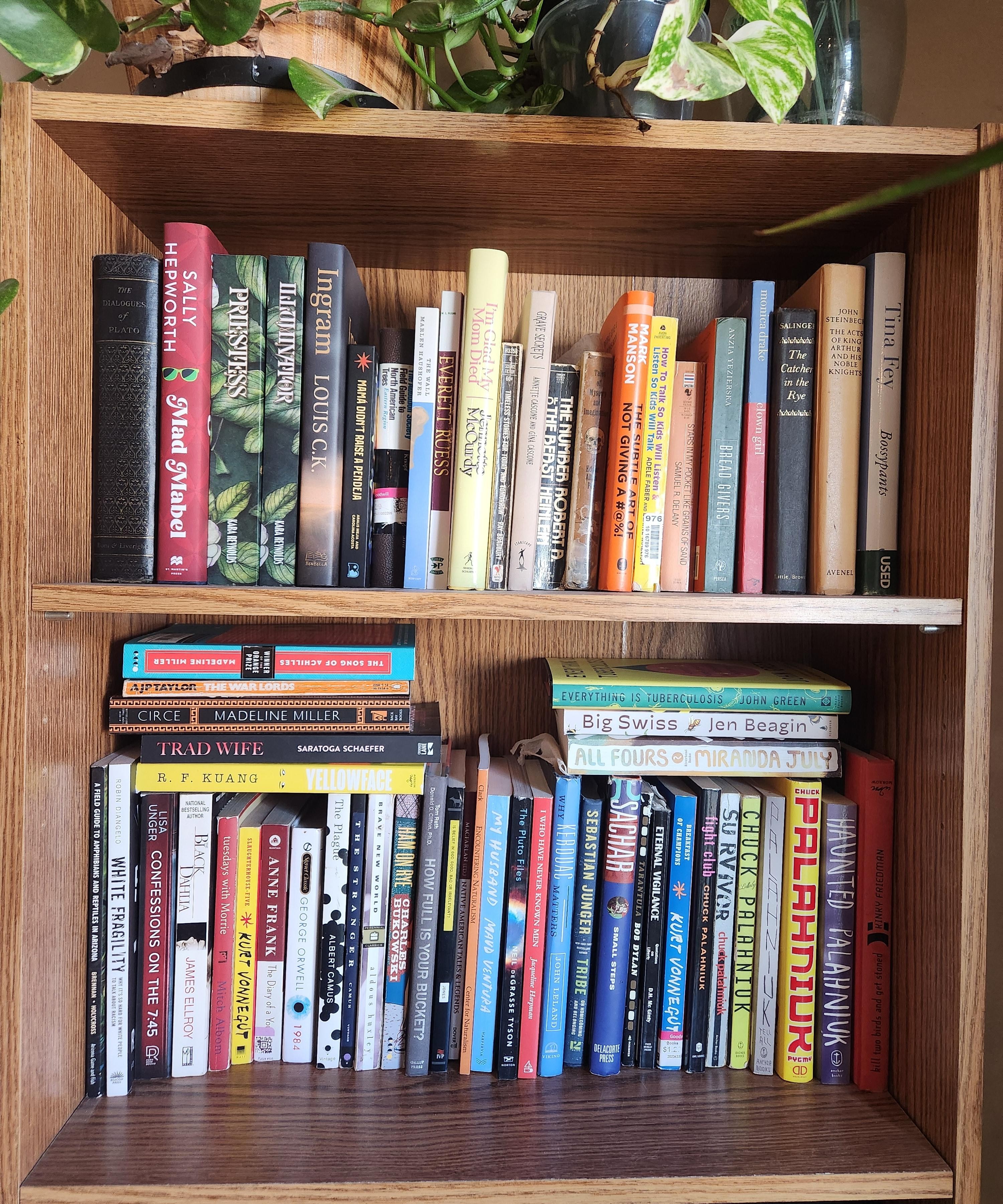
Oct 28, 2026
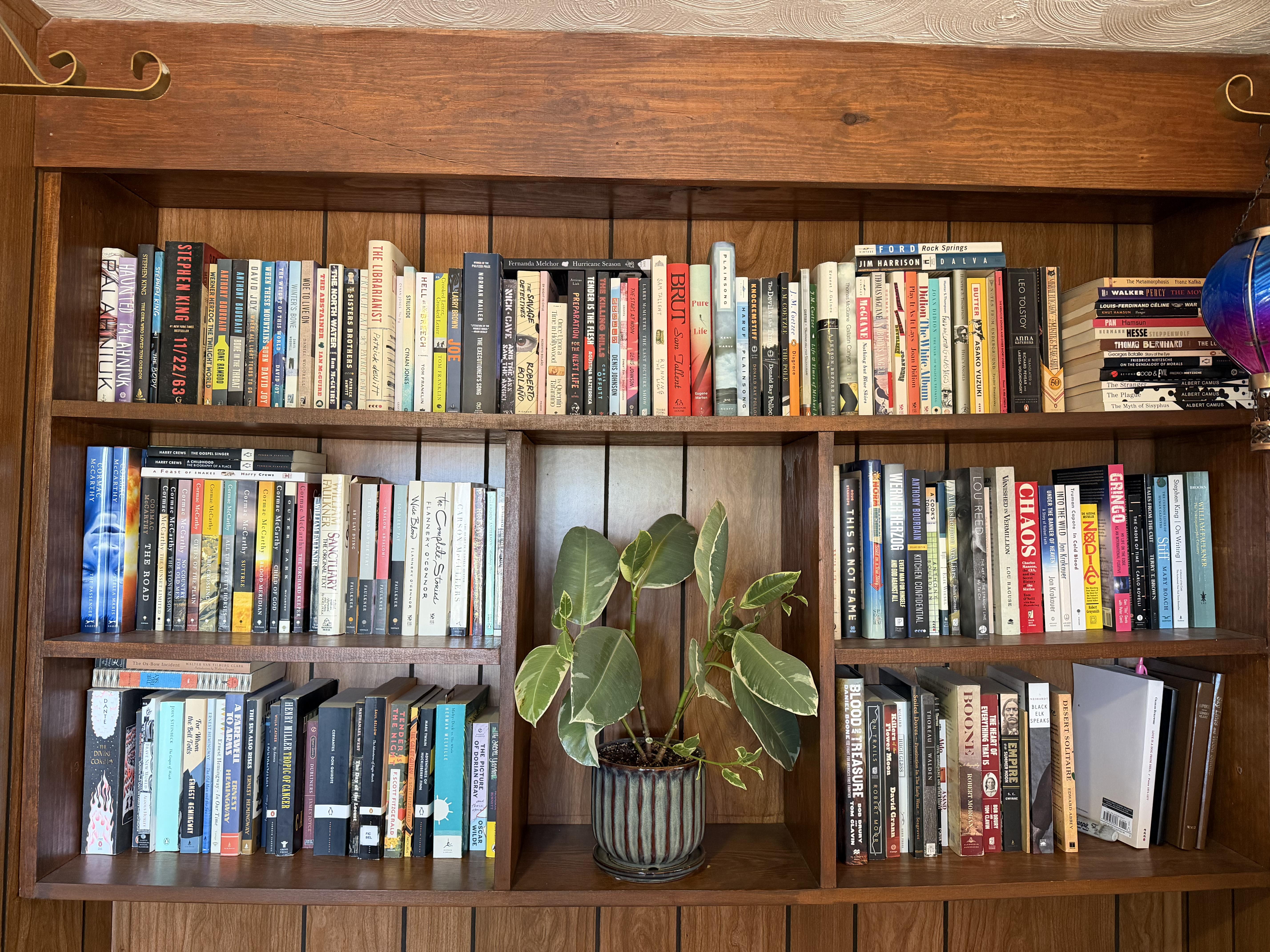
Oct 23, 2026
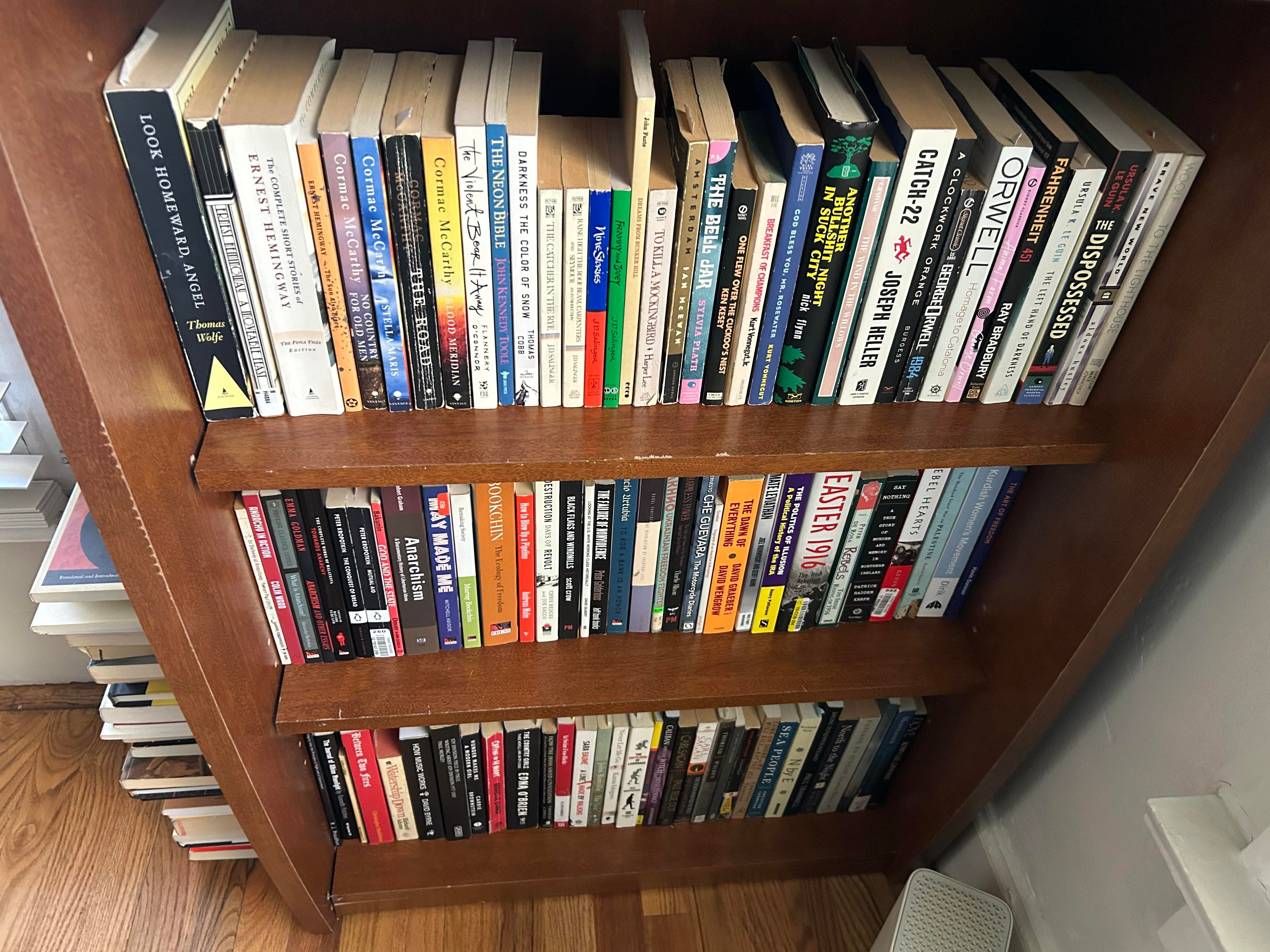
Oct 20, 2026
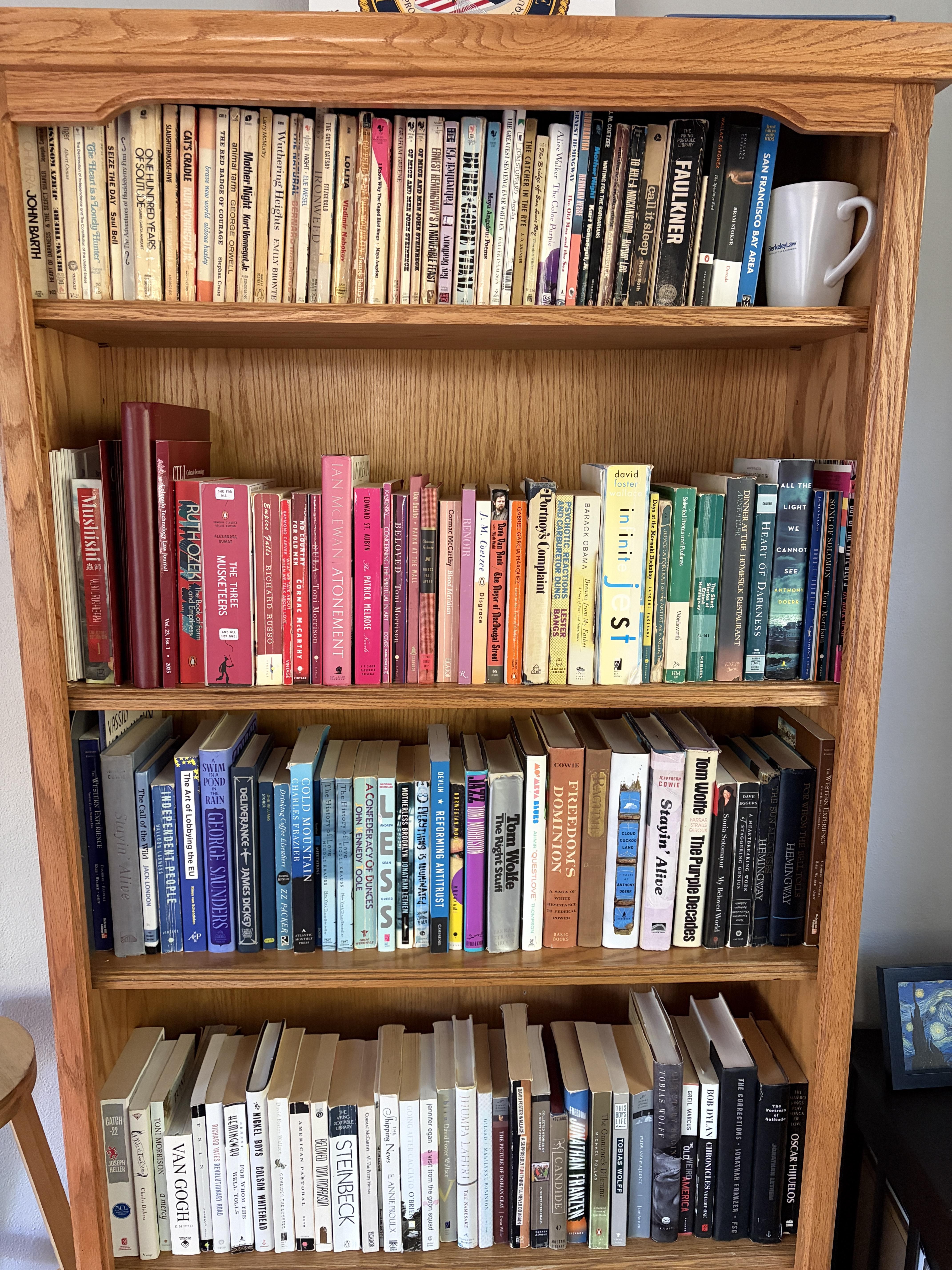
Oct 17, 2026
Oct 16, 2026
Oct 16, 2026
Oct 13, 2026
Sep 28, 2026
Sep 23, 2026
Sep 23, 2026
Sep 21, 2026
Sep 19, 2026
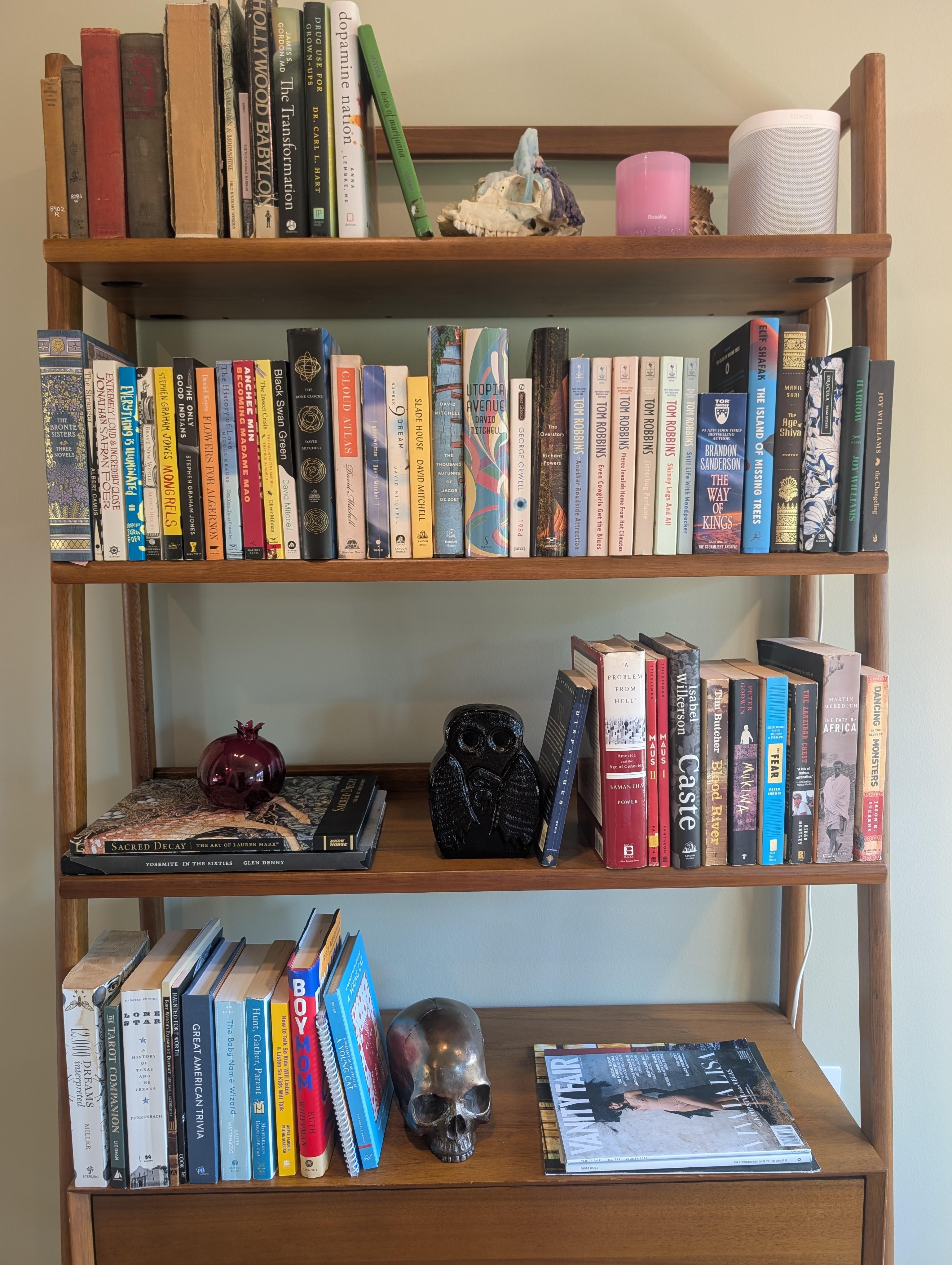
Sep 7, 2026
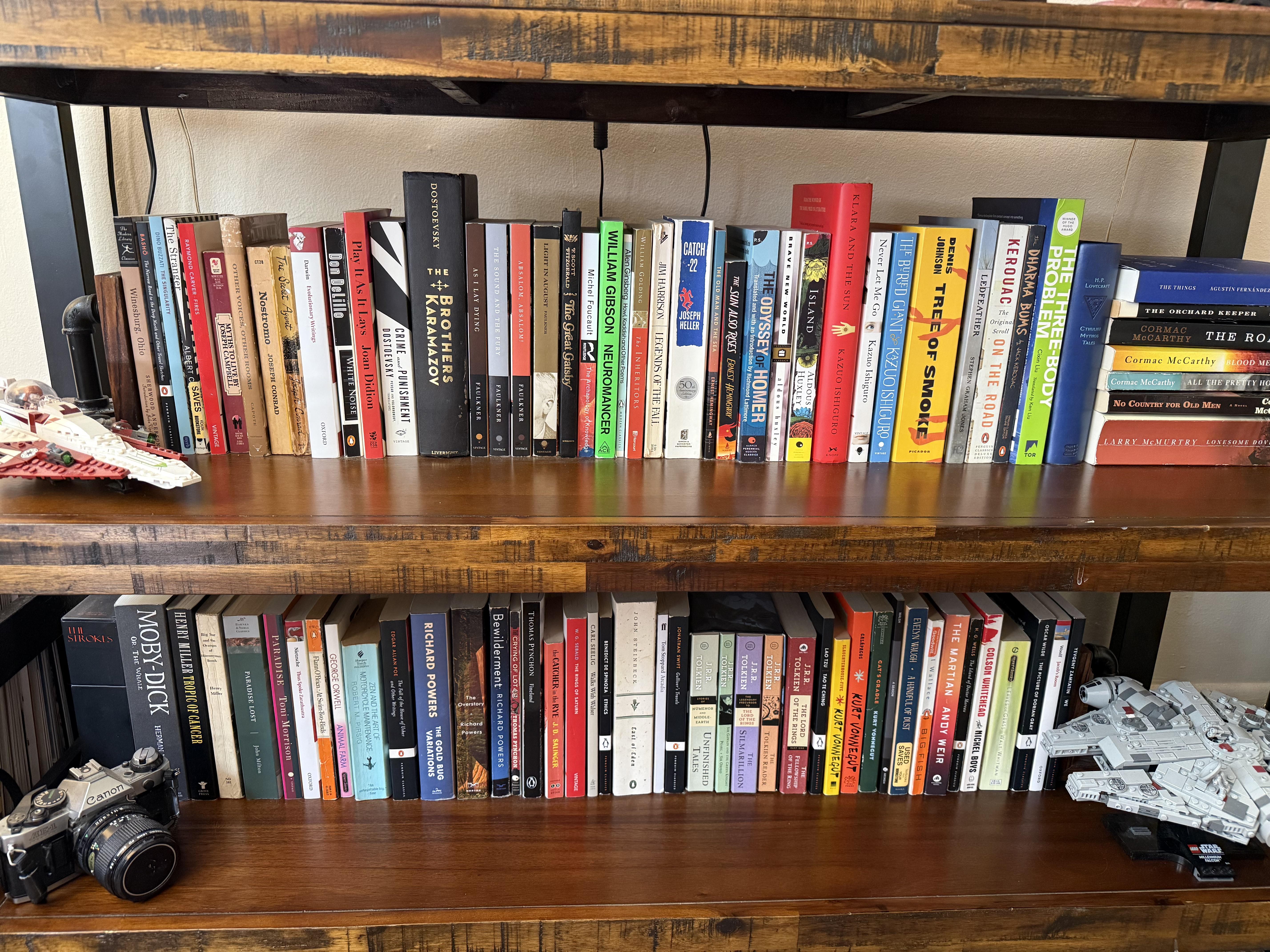
Aug 3, 2026
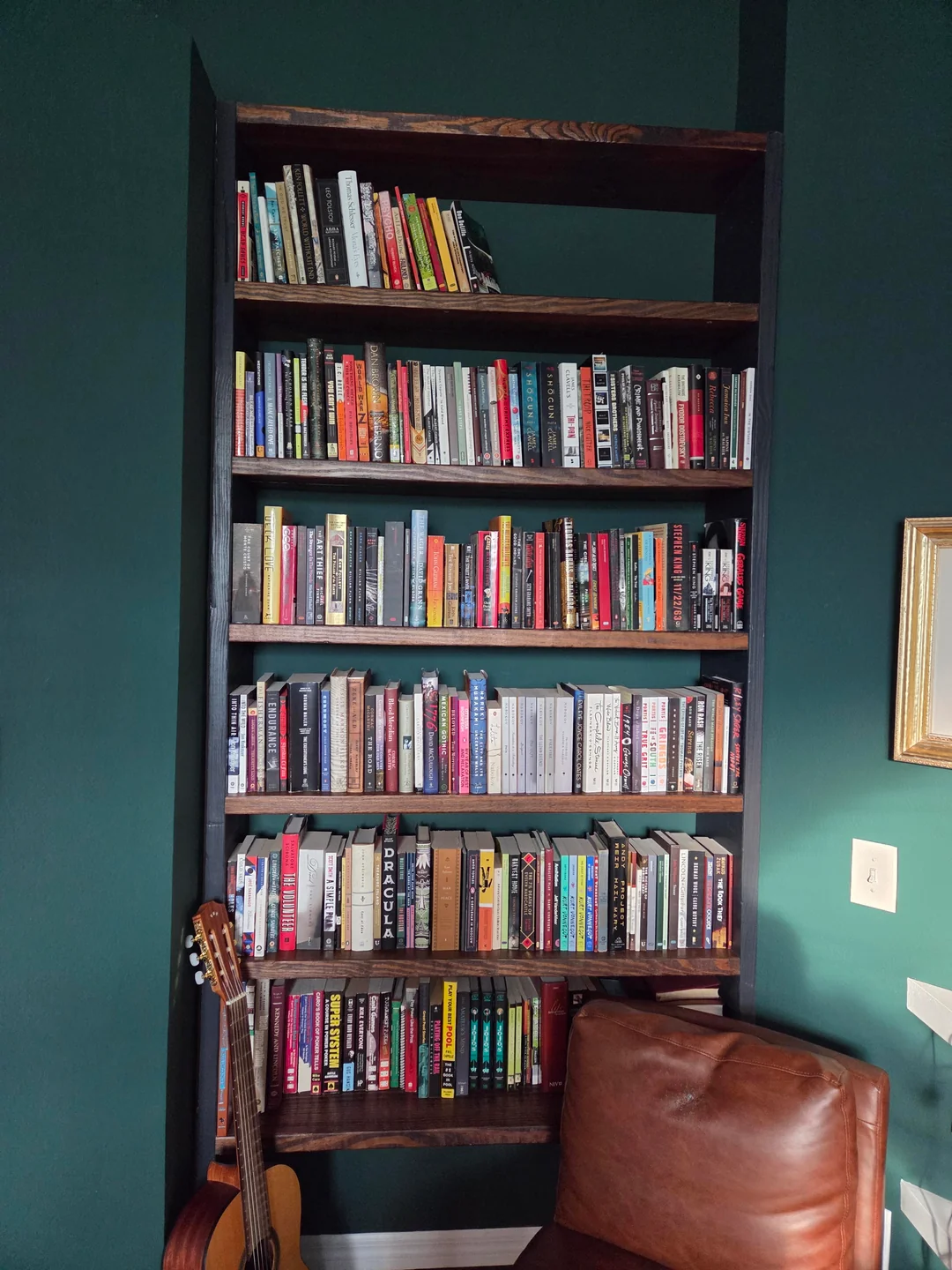
Jul 11, 2026
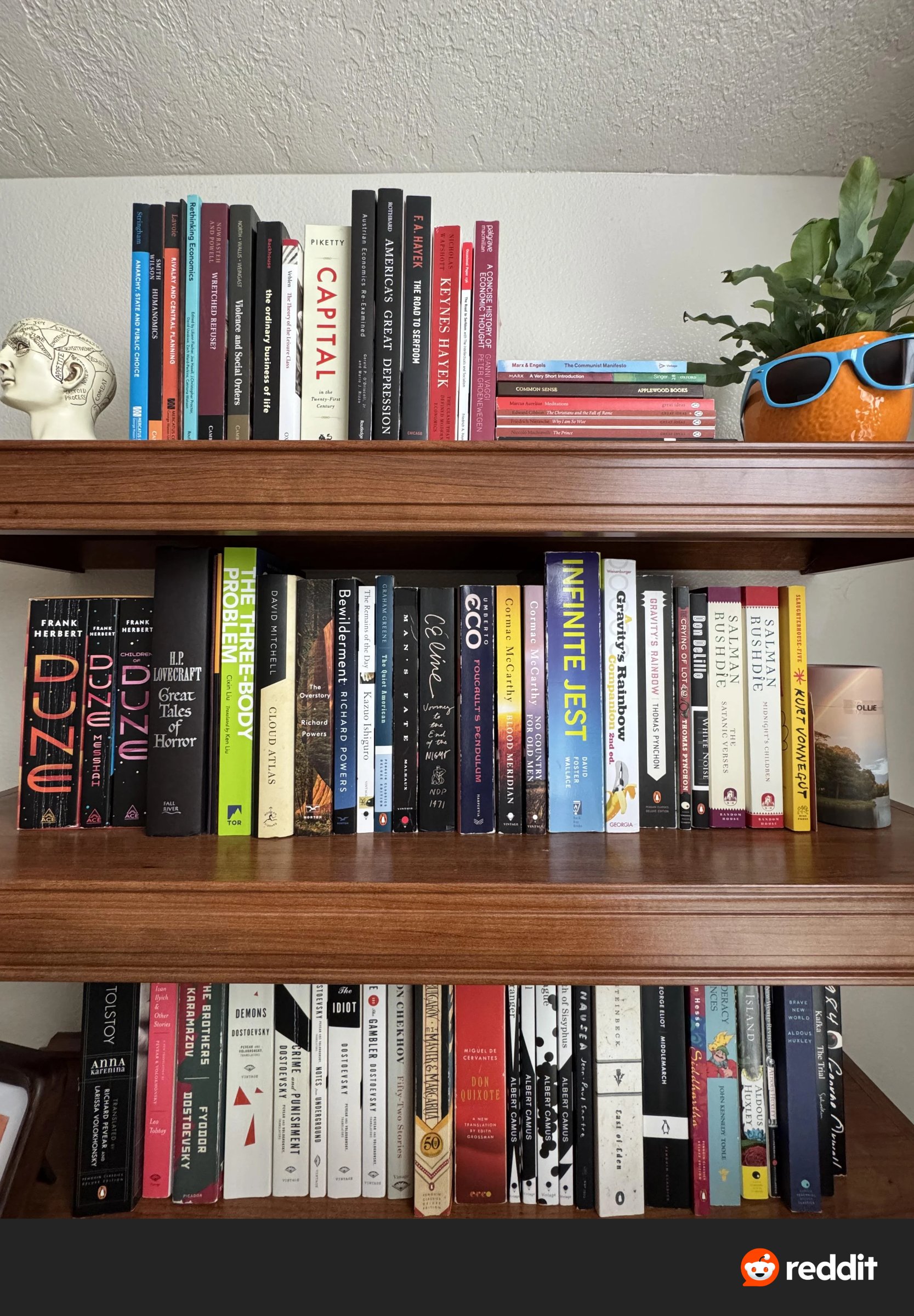
Jun 11, 2026
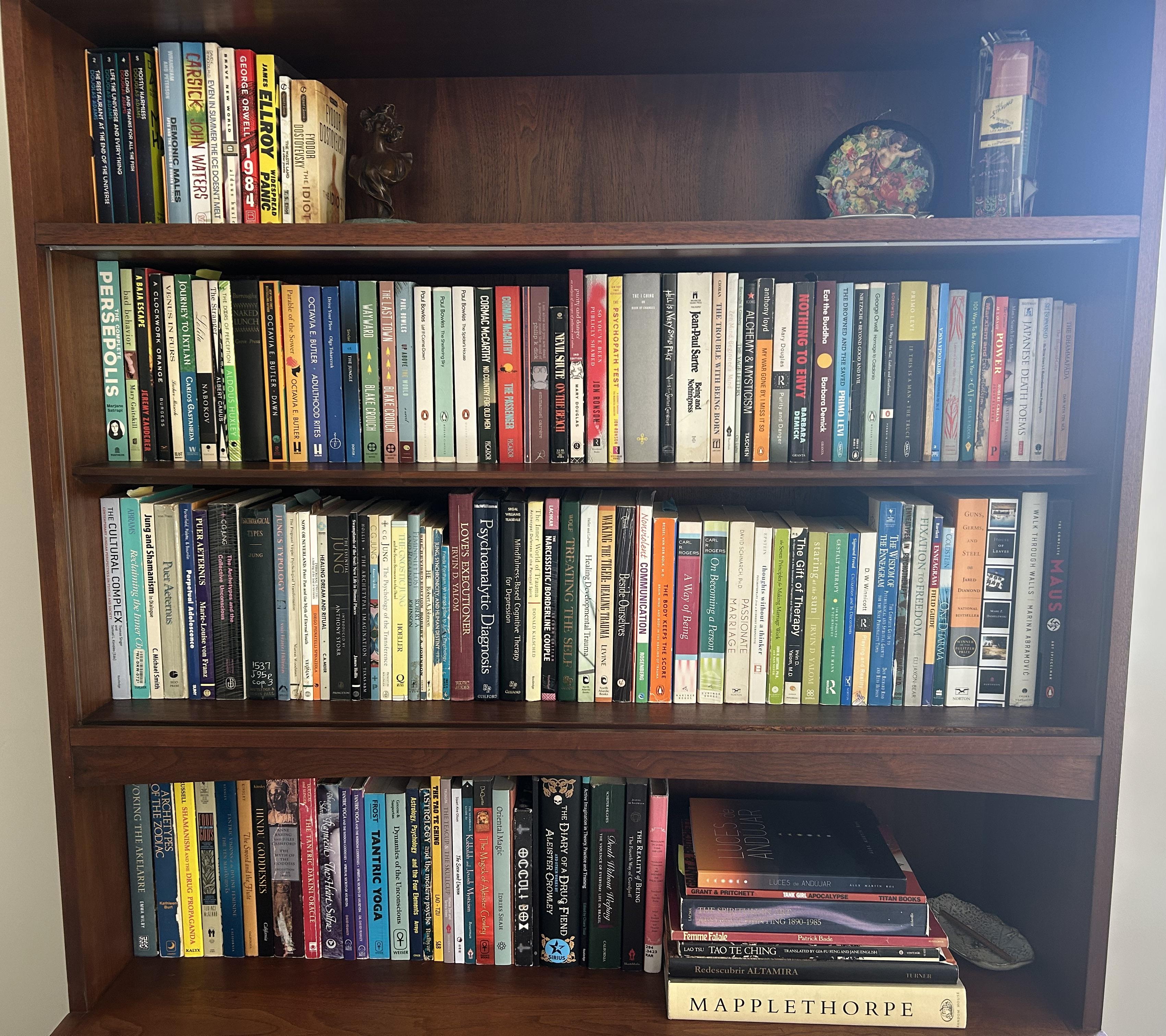
May 1, 2026