Shelfology Book Pairing
Brave New World
Enriched edition.
by Aldous Huxley
Aldous Huxley's "Brave New World" presents a chilling vision of a dystopian future characterized by the pervasive influence of technology and state control over individuals. Written in 1932, this novel employs a satirical yet cautionary tone, utilizing rich, ironic prose to explore the loss of individuality in a society driven by consumerism, genetic engineering, and hedonism. Huxley crafts a technologically advanced world where human beings are conditioned from birth to embrace a predetermined social order, raising profound ethical questions about freedom, happiness, and the cost of progress. Aldous Huxley, a member of a prominent scientific family, was deeply influenced by both the Enlightenment ideals of progress and the emerging anxieties of the early 20th century. His exposure to the early theories of psychology, biology, and the effects of totalitarianism shaped his critical perspective on modern civilization. "Brave New World" serves as both a product of its time and a prophetic warning, reflecting Huxley's concerns about the dehumanizing potential of technological advancement and the inherent risks of sacrificing individuality for societal stability. This landmark work is an essential read for anyone interested in the interplay between technology, society, and human values. Huxley's masterful narrative invites readers to reflect on the moral dilemmas of contemporary life, making it a timeless exploration of the balance between progress and humanity. Engage with "Brave New World" to apprehend its enduring relevance in an age increasingly dominated by technological advancement. In this enriched edition, we have carefully created added value for your reading experience: - A comprehensive Introduction outlines these selected works' unifying features, themes, or stylistic evolutions. - The Author Biography highlights personal milestones and literary influences that shape the entire body of writing. - A Historical Context section situates the works in their broader era—social currents, cultural trends, and key events that underpin their creation. - A concise Synopsis (Selection) offers an accessible overview of the included texts, helping readers navigate plotlines and main ideas without revealing critical twists. - A unified Analysis examines recurring motifs and stylistic hallmarks across the collection, tying the stories together while spotlighting the different work's strengths. - Reflection questions inspire deeper contemplation of the author's overarching message, inviting readers to draw connections among different texts and relate them to modern contexts. - Lastly, our hand‐picked Memorable Quotes distill pivotal lines and turning points, serving as touchstones for the collection's central themes.
The Road to Serfdom
Illustrated Edition
by Friedrich A. Von Hayek
The Road to Serfdom By Friedrich A. Hayek New Edition The very magnitude of the outrages committed by the National Socialists has strengthened the assurance that a totalitarian system cannot happen here. But let us remember that 15 years ago the possibility of such a thing happening in Germany would have appeared just as fantastic not only to nine-tenths of the Germans themselves, but also to the most hostile foreign observer. There are many features which were then regarded as 'typically German' which are now equally familiar in America and England, and many symptoms that point to a further development in the same direction: the increasing veneration for the state, the fatalistic acceptance of 'inevitable trends', the enthusiasm for 'organization' of everything (we now call it 'planning'). The character of the danger is, if possible, even less understood here than it was in Germany. The supreme tragedy is still not seen that in Germany it was largely people of good will who, by their socialist policies, prepared the way for the forces which stand for everything they detest. Few recognize that the rise of fascism and the road to serfdom. Marxism was not a reaction against the socialist trends of the preceding period but a necessary outcome of those tendencies. Yet it is significant that many of the leaders of these movements, from Mussolini down (and including Laval and Quisling) began as socialists and ended as fascists or Nazis. In the democracies at present, many who sincerely hate all of Nazism's manifestations are working for ideals whose realization would lead straight to the abhorred tyranny. Most of the people whose views influence developments are in some measure socialists. They believe that our economic life should be 'consciously directed' that we should substitute 'economic planning' for the competitive system. Yet is there a greater tragedy imaginable than that, in our endeavour consciously to shape our future in accordance with high ideals, we should in fact unwittingly produce the very opposite of what we have been striving for?
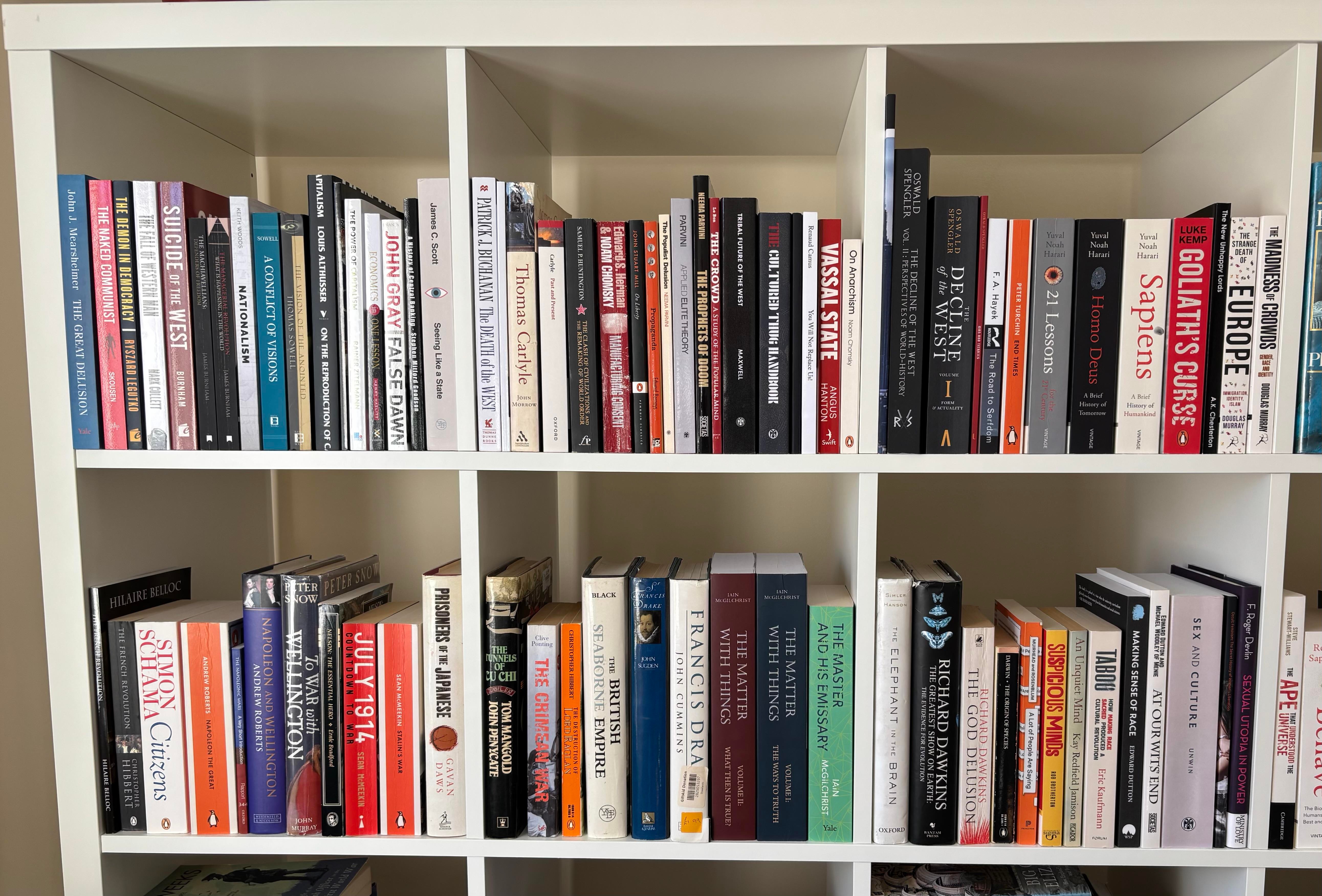
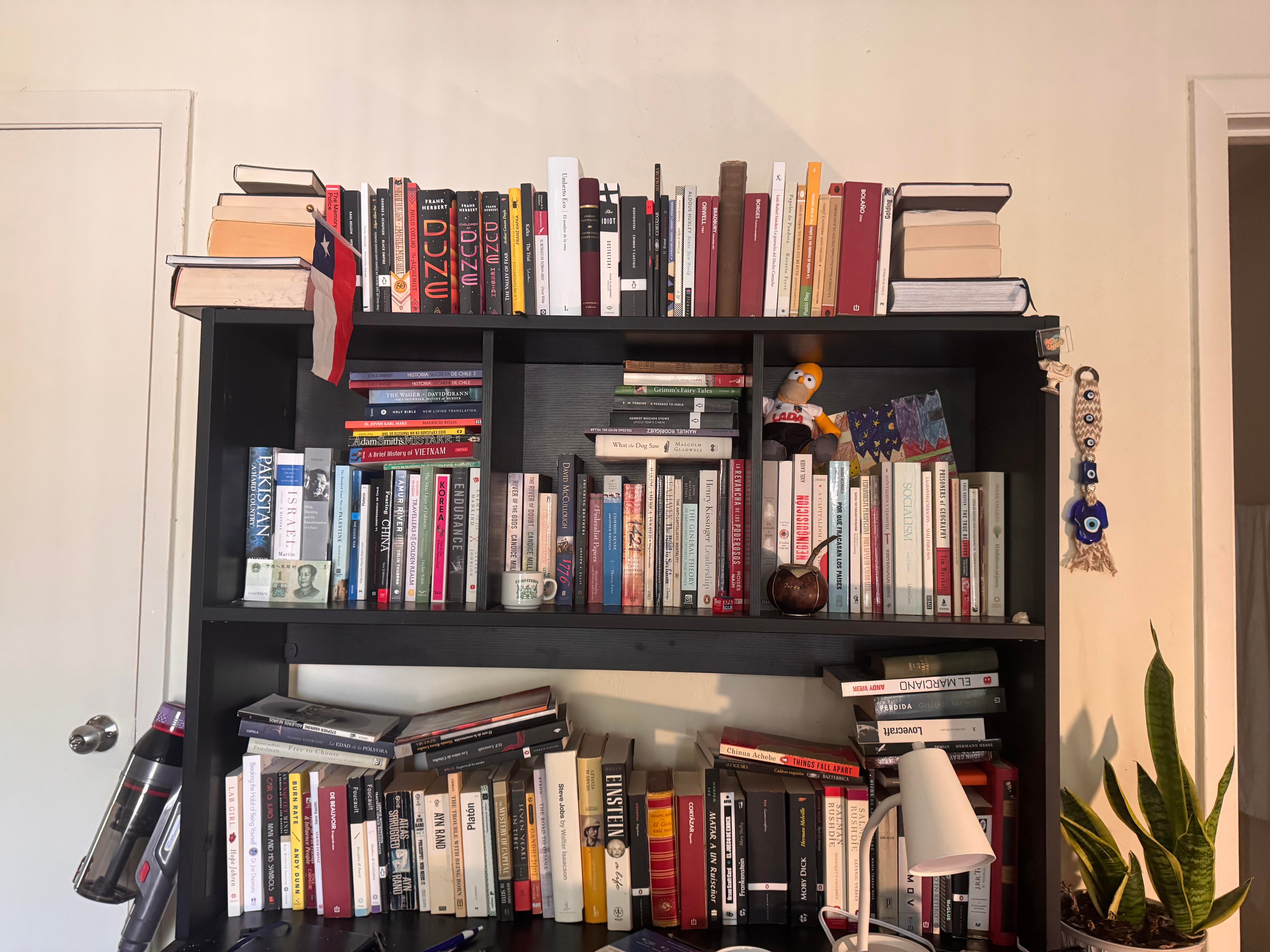
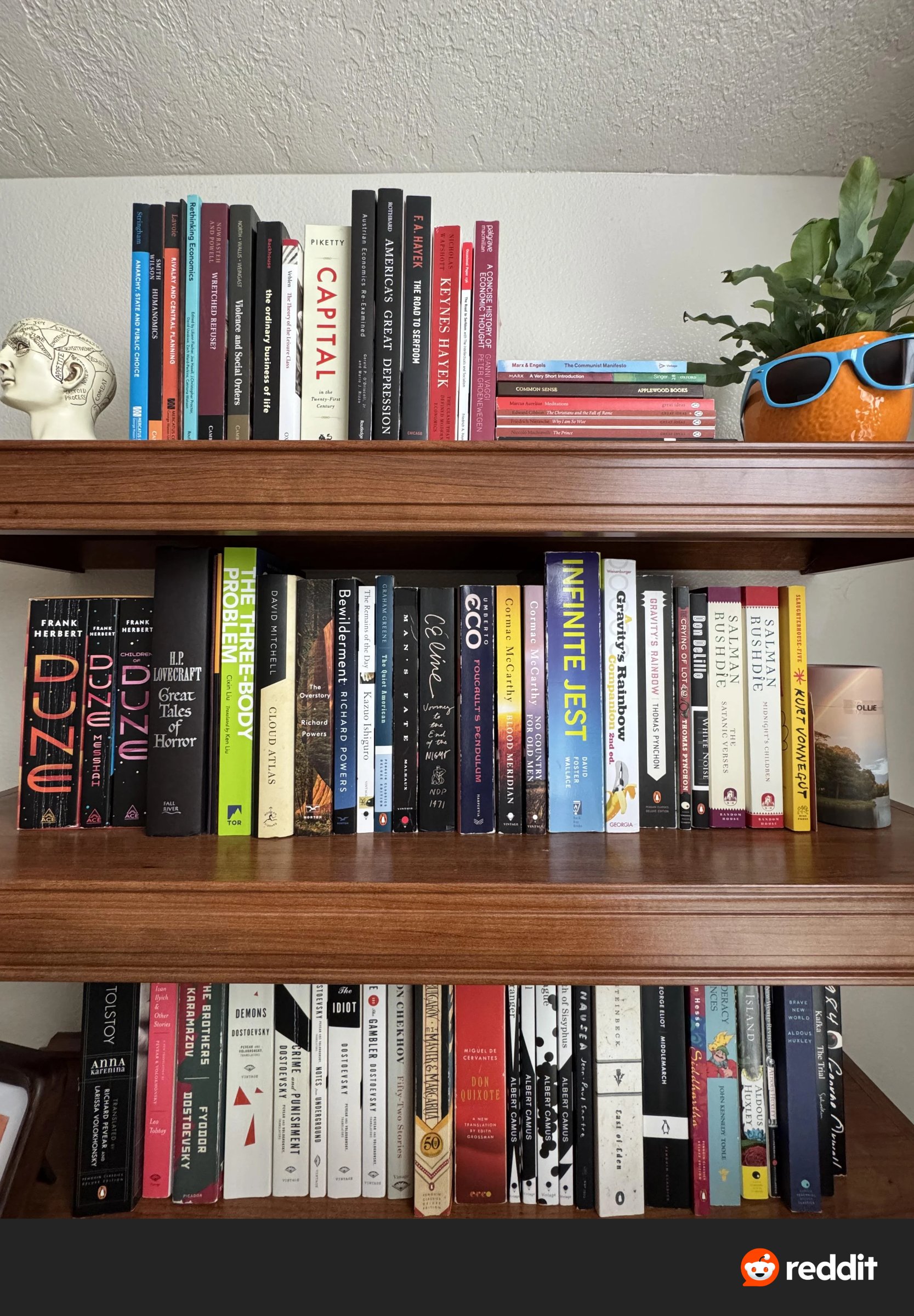
These books are No Strangers
These books sit together on 3 different collections in our database