Shelfology Book Pairing
Brave New World
Enriched edition.
by Aldous Huxley
Aldous Huxley's "Brave New World" presents a chilling vision of a dystopian future characterized by the pervasive influence of technology and state control over individuals. Written in 1932, this novel employs a satirical yet cautionary tone, utilizing rich, ironic prose to explore the loss of individuality in a society driven by consumerism, genetic engineering, and hedonism. Huxley crafts a technologically advanced world where human beings are conditioned from birth to embrace a predetermined social order, raising profound ethical questions about freedom, happiness, and the cost of progress. Aldous Huxley, a member of a prominent scientific family, was deeply influenced by both the Enlightenment ideals of progress and the emerging anxieties of the early 20th century. His exposure to the early theories of psychology, biology, and the effects of totalitarianism shaped his critical perspective on modern civilization. "Brave New World" serves as both a product of its time and a prophetic warning, reflecting Huxley's concerns about the dehumanizing potential of technological advancement and the inherent risks of sacrificing individuality for societal stability. This landmark work is an essential read for anyone interested in the interplay between technology, society, and human values. Huxley's masterful narrative invites readers to reflect on the moral dilemmas of contemporary life, making it a timeless exploration of the balance between progress and humanity. Engage with "Brave New World" to apprehend its enduring relevance in an age increasingly dominated by technological advancement. In this enriched edition, we have carefully created added value for your reading experience: - A comprehensive Introduction outlines these selected works' unifying features, themes, or stylistic evolutions. - The Author Biography highlights personal milestones and literary influences that shape the entire body of writing. - A Historical Context section situates the works in their broader era—social currents, cultural trends, and key events that underpin their creation. - A concise Synopsis (Selection) offers an accessible overview of the included texts, helping readers navigate plotlines and main ideas without revealing critical twists. - A unified Analysis examines recurring motifs and stylistic hallmarks across the collection, tying the stories together while spotlighting the different work's strengths. - Reflection questions inspire deeper contemplation of the author's overarching message, inviting readers to draw connections among different texts and relate them to modern contexts. - Lastly, our hand‐picked Memorable Quotes distill pivotal lines and turning points, serving as touchstones for the collection's central themes.
Slaughterhouse-Five
A Novel
by Kurt Vonnegut
Kurt Vonnegut’s masterpiece, Slaughterhouse-Five is “a desperate, painfully honest attempt to confront the monstrous crimes of the twentieth century” (Time). Selected by the Modern Library as one of the 100 best novels of all time • One of The Atlantic’s Great American Novels of the Past 100 Years Slaughterhouse-Five, an American classic, is one of the world’s great antiwar books. Centering on the infamous World War II firebombing of Dresden, the novel is the result of what Kurt Vonnegut described as a twenty-three-year struggle to write a book about what he had witnessed as an American prisoner of war. It combines historical fiction, science fiction, autobiography, and satire in an account of the life of Billy Pilgrim, a barber’s son turned draftee turned optometrist turned alien abductee. As Vonnegut had, Billy experiences the destruction of Dresden as a POW. Unlike Vonnegut, he experiences time travel, or coming “unstuck in time.” An instant bestseller, Slaughterhouse-Five made Kurt Vonnegut a cult hero in American literature, a reputation that only strengthened over time, despite his being banned and censored by some libraries and schools for content and language. But it was precisely those elements of Vonnegut’s writing—the political edginess, the genre-bending inventiveness, the frank violence, the transgressive wit—that have inspired generations of readers not just to look differently at the world around them but to find the confidence to say something about it. Authors as wide-ranging as Norman Mailer, John Irving, Michael Crichton, Tim O’Brien, Margaret Atwood, Elizabeth Strout, David Sedaris, Jennifer Egan, and J. K. Rowling have all found inspiration in Vonnegut’s words. Jonathan Safran Foer has described Vonnegut as “the kind of writer who made people—young people especially—want to write.” George Saunders has declared Vonnegut to be “the great, urgent, passionate American writer of our century, who offers us . . . a model of the kind of compassionate thinking that might yet save us from ourselves.” More than fifty years after its initial publication at the height of the Vietnam War, Vonnegut’s portrayal of political disillusionment, PTSD, and postwar anxiety feels as relevant, darkly humorous, and profoundly affecting as ever, an enduring beacon through our own era’s uncertainties.
These books are a Natural Match
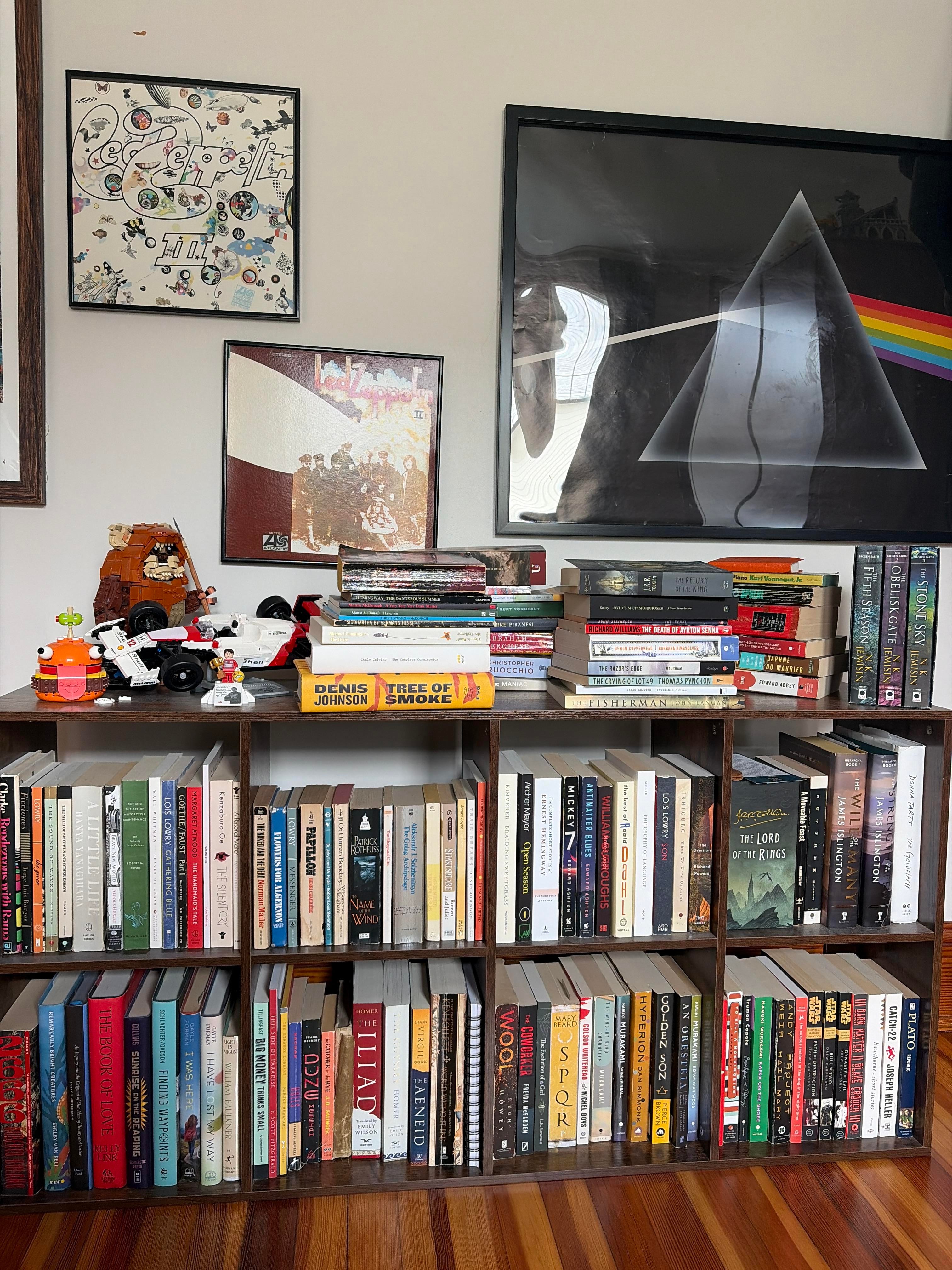
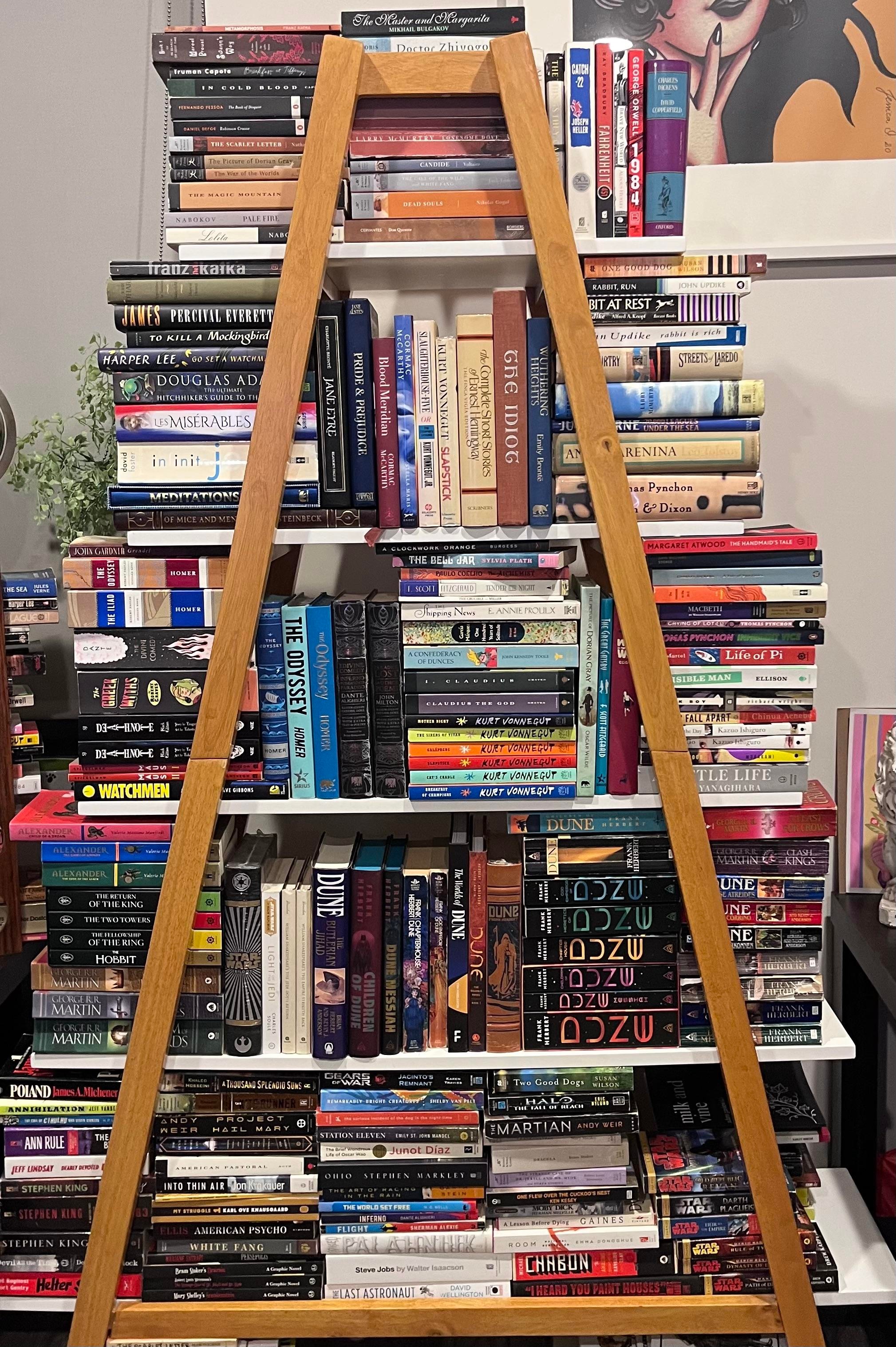
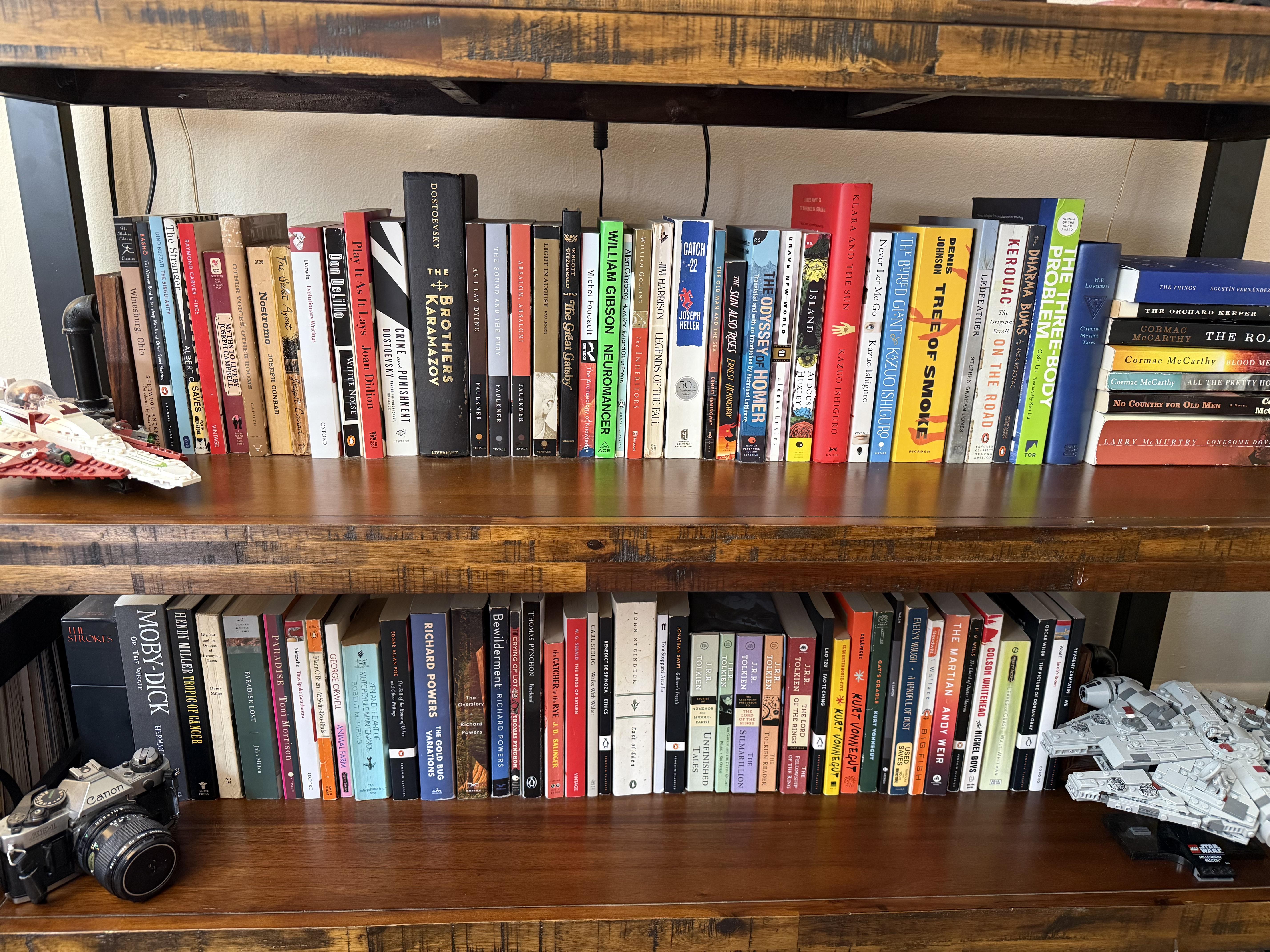
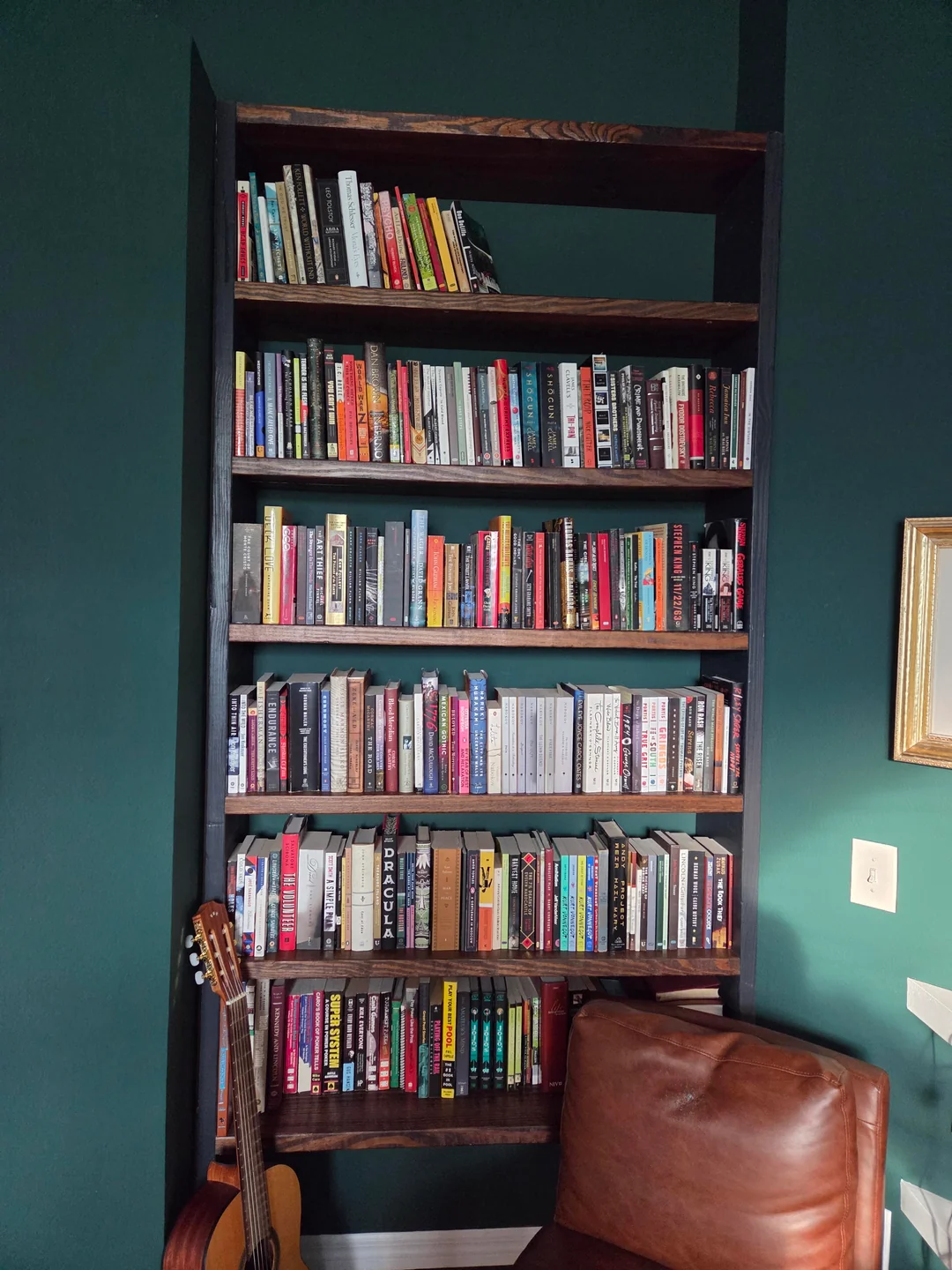
These books sit together on 18 different collections in our database
This pair was spotted together at:
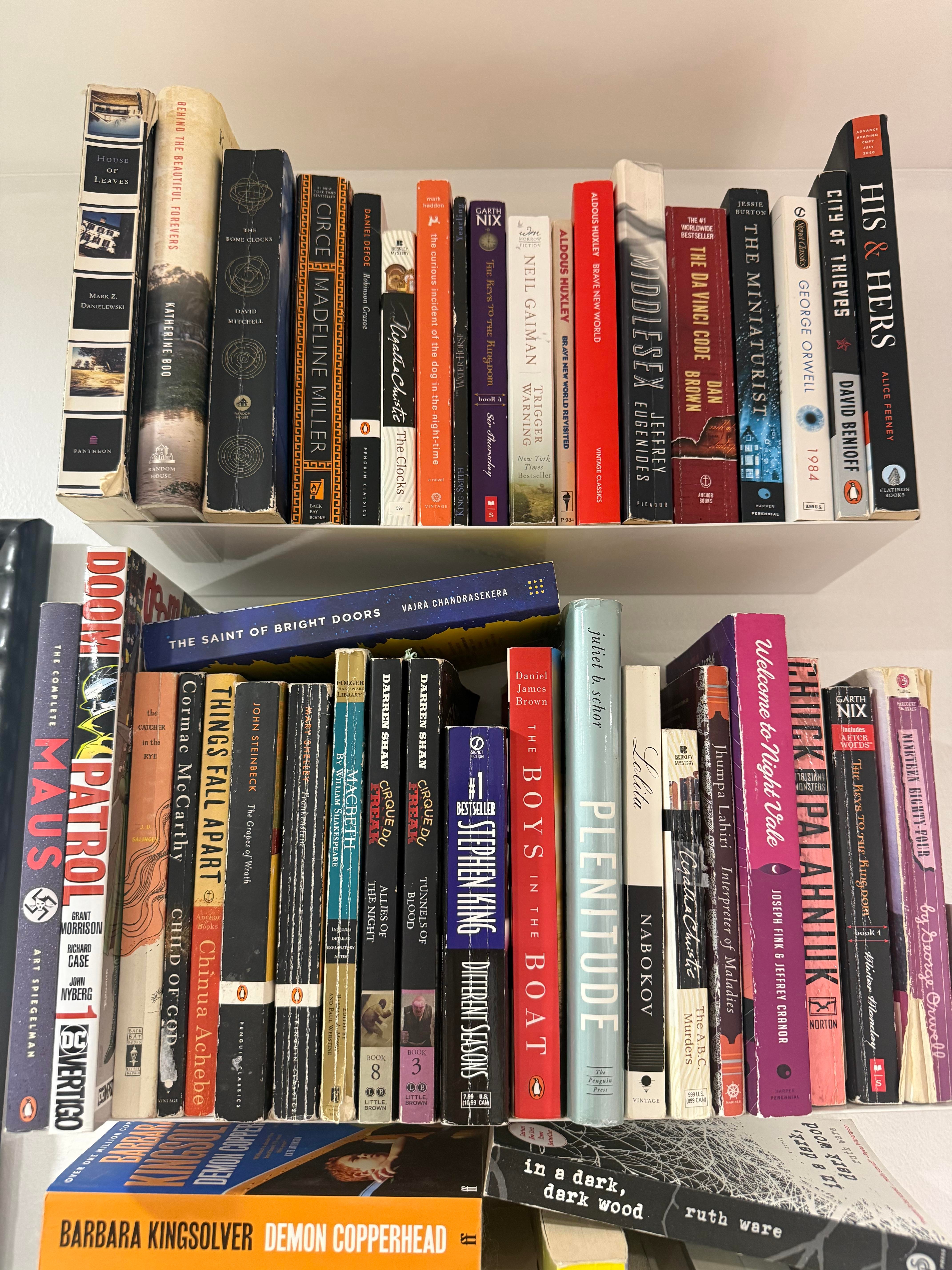
Oct 20, 2026
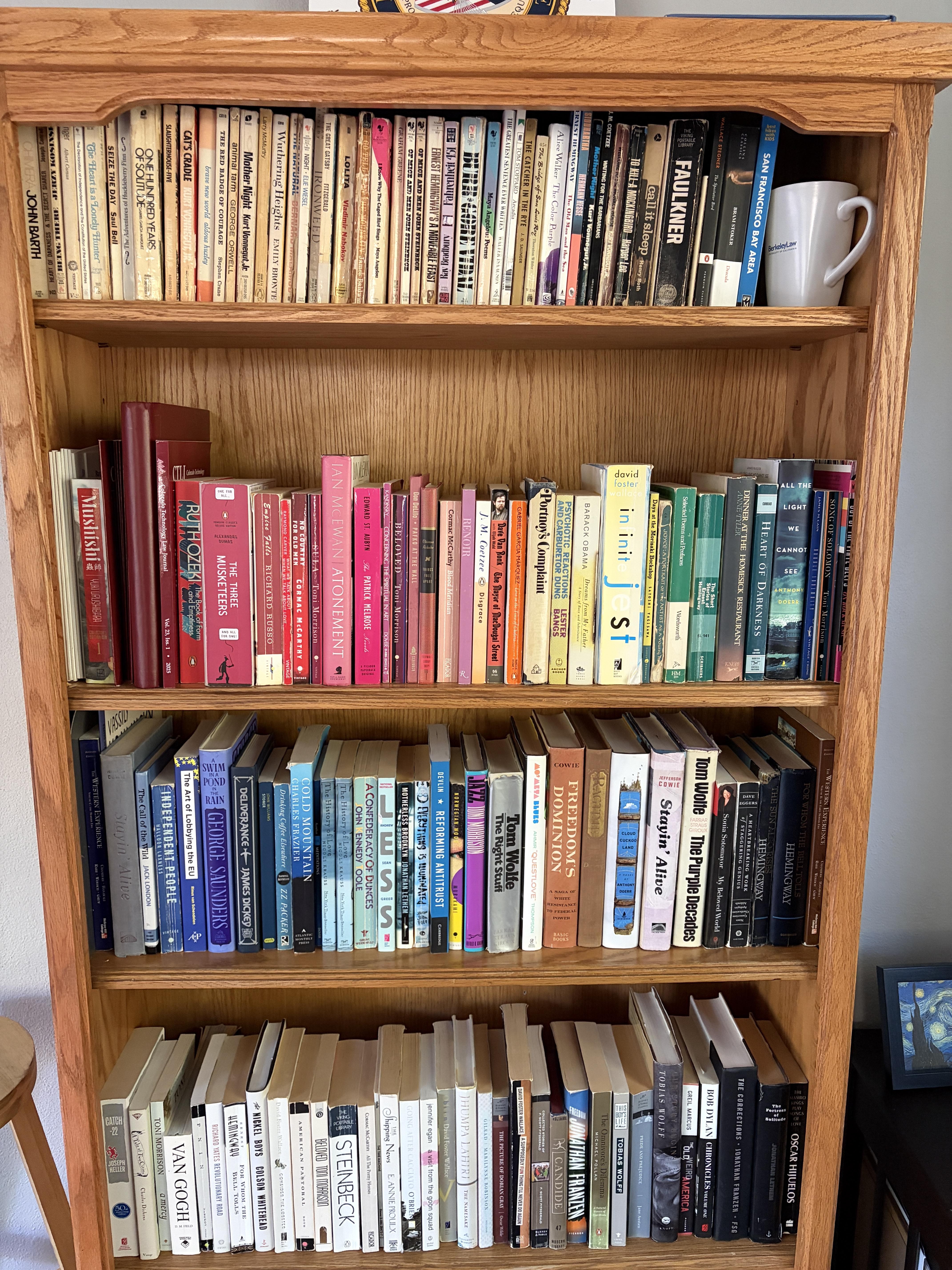
Oct 17, 2026
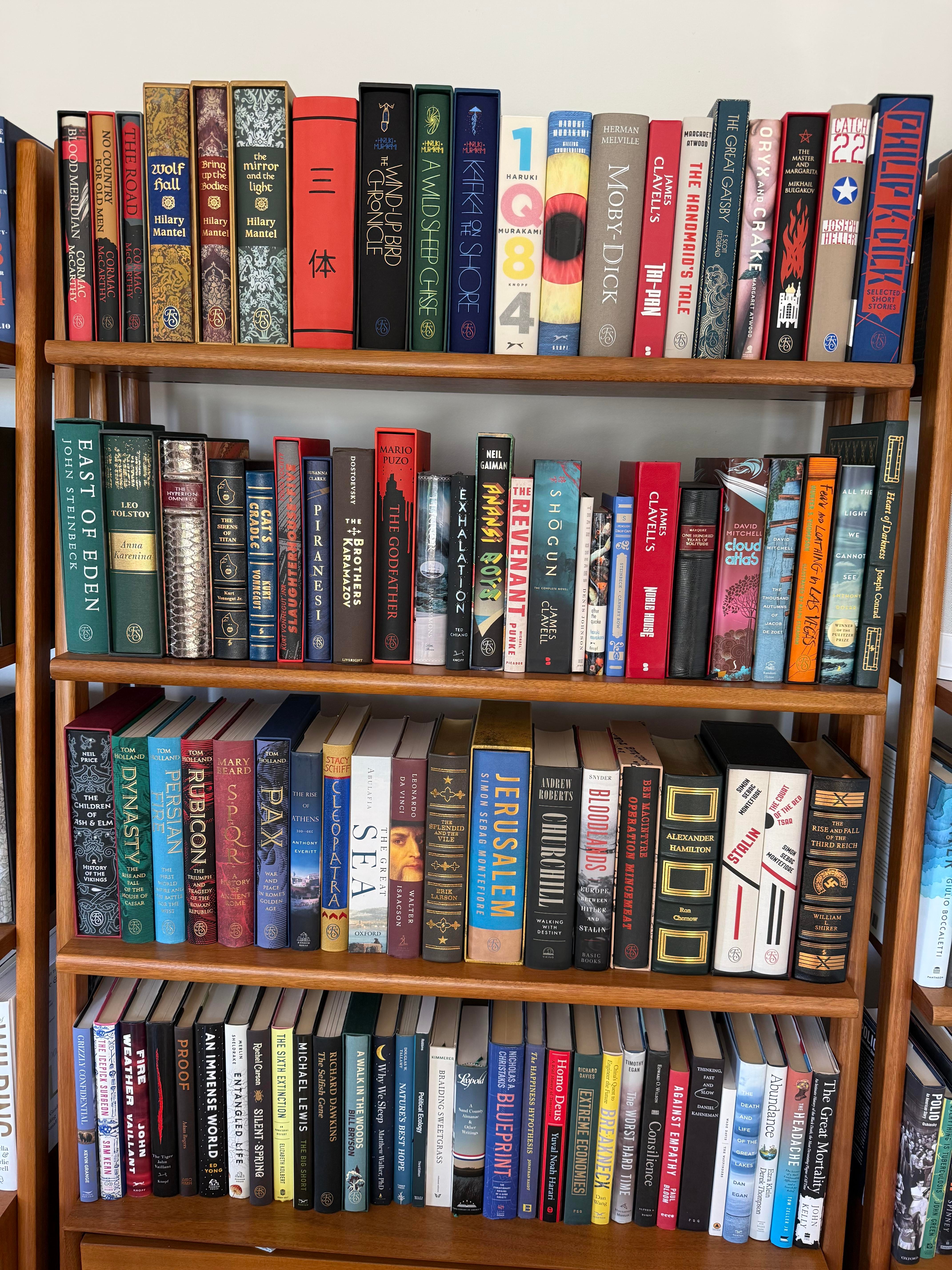
Oct 15, 2026
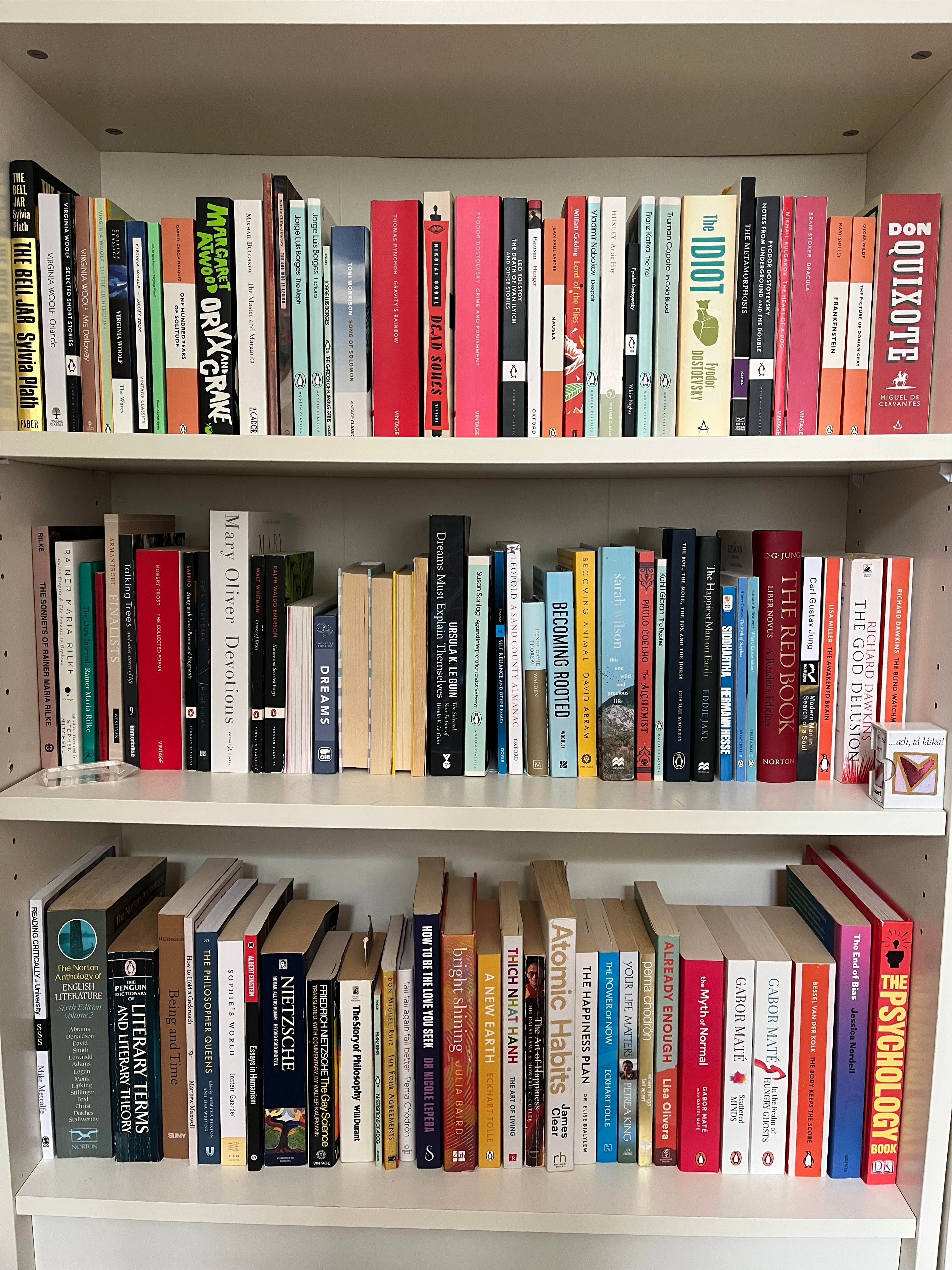
Oct 15, 2026
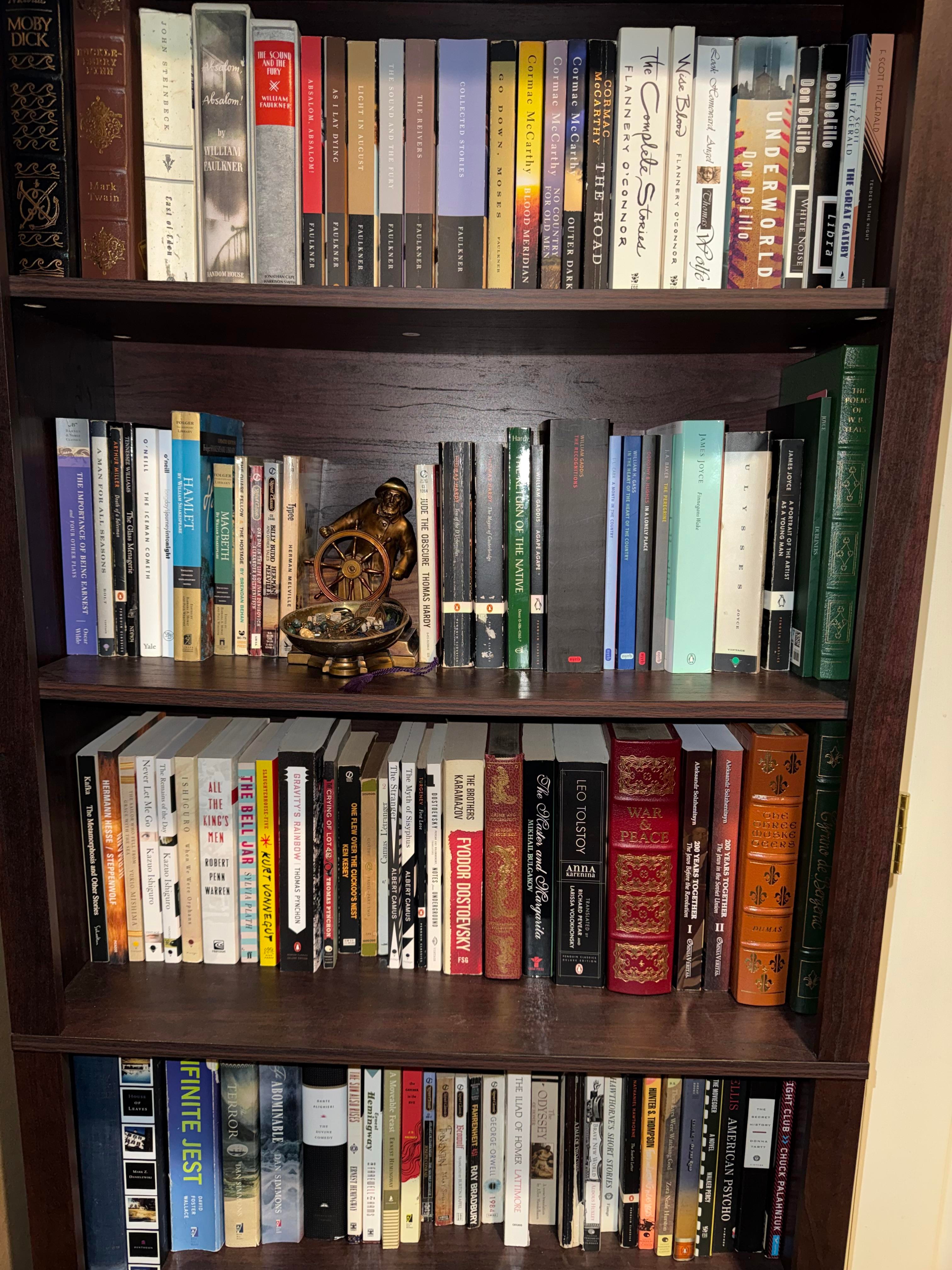
Oct 13, 2026
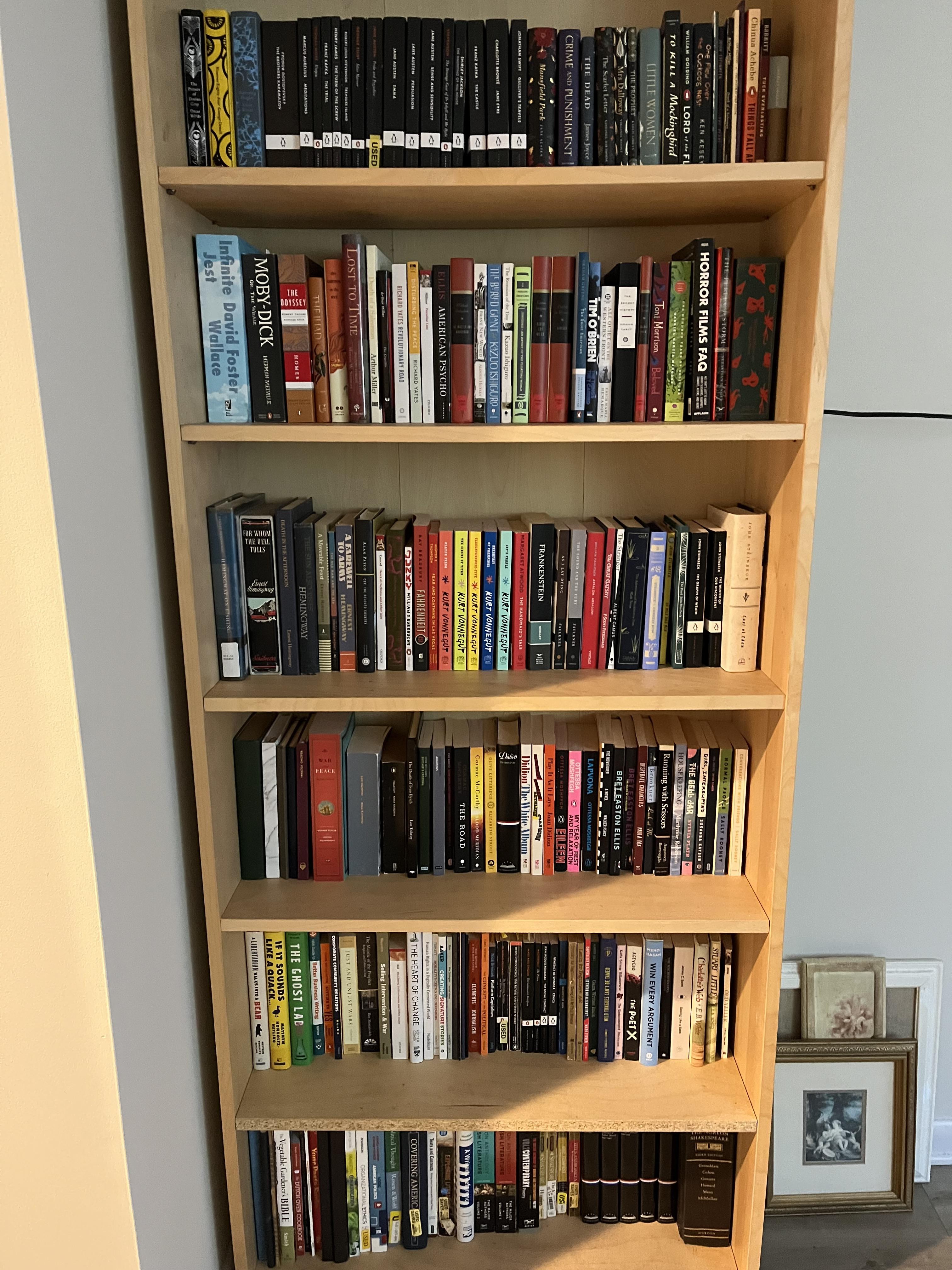
Sep 21, 2026
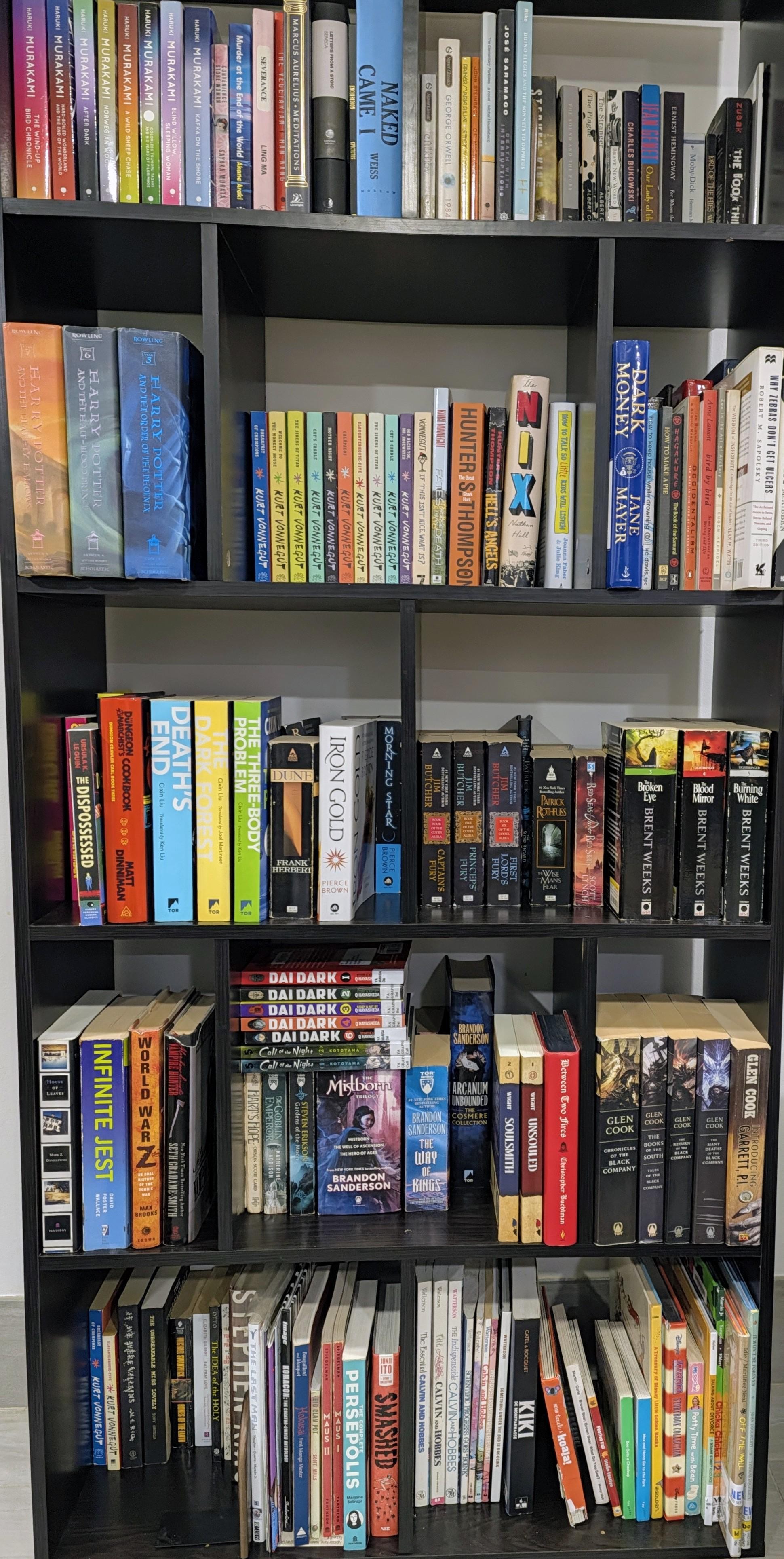
Sep 19, 2026
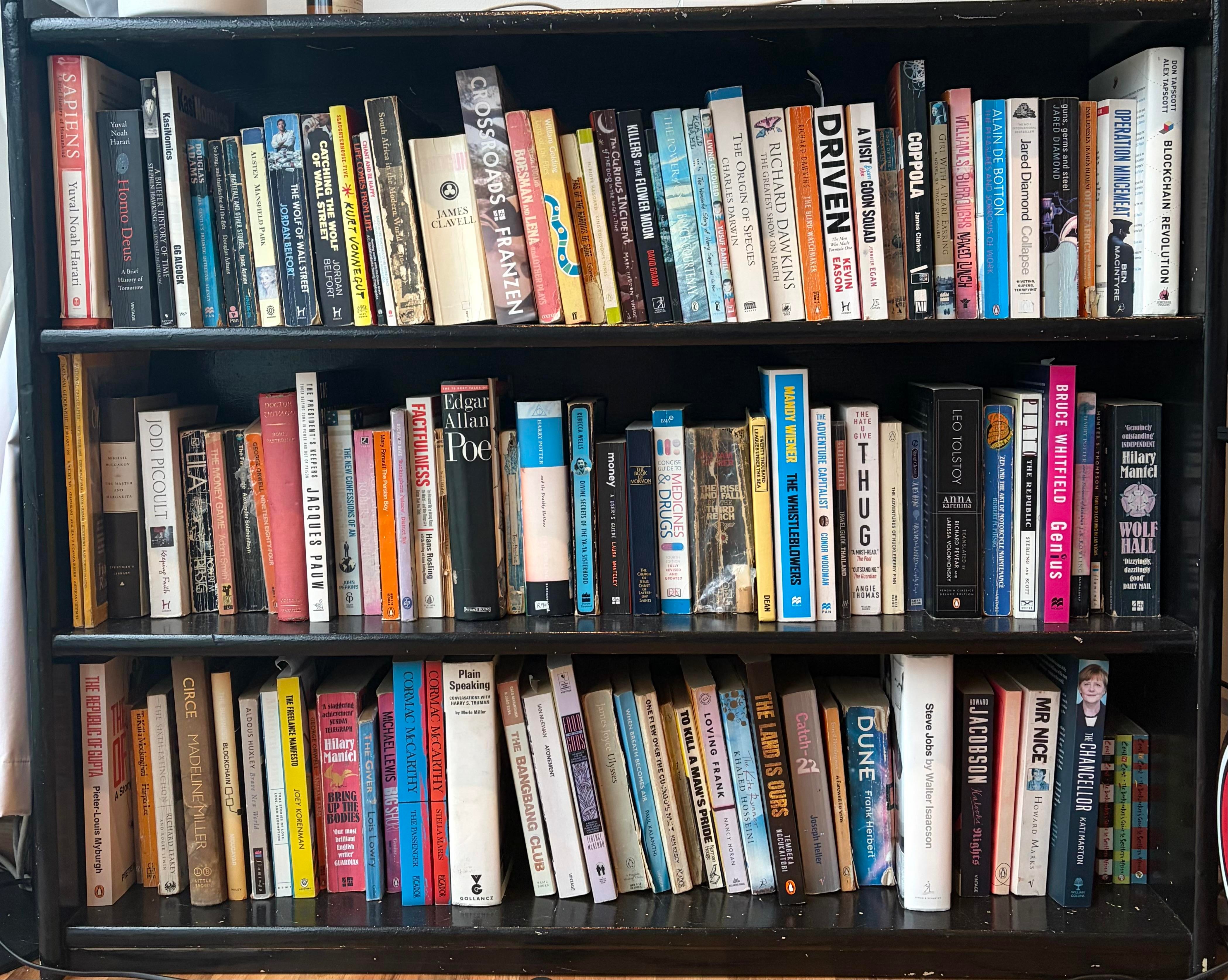
Sep 15, 2026
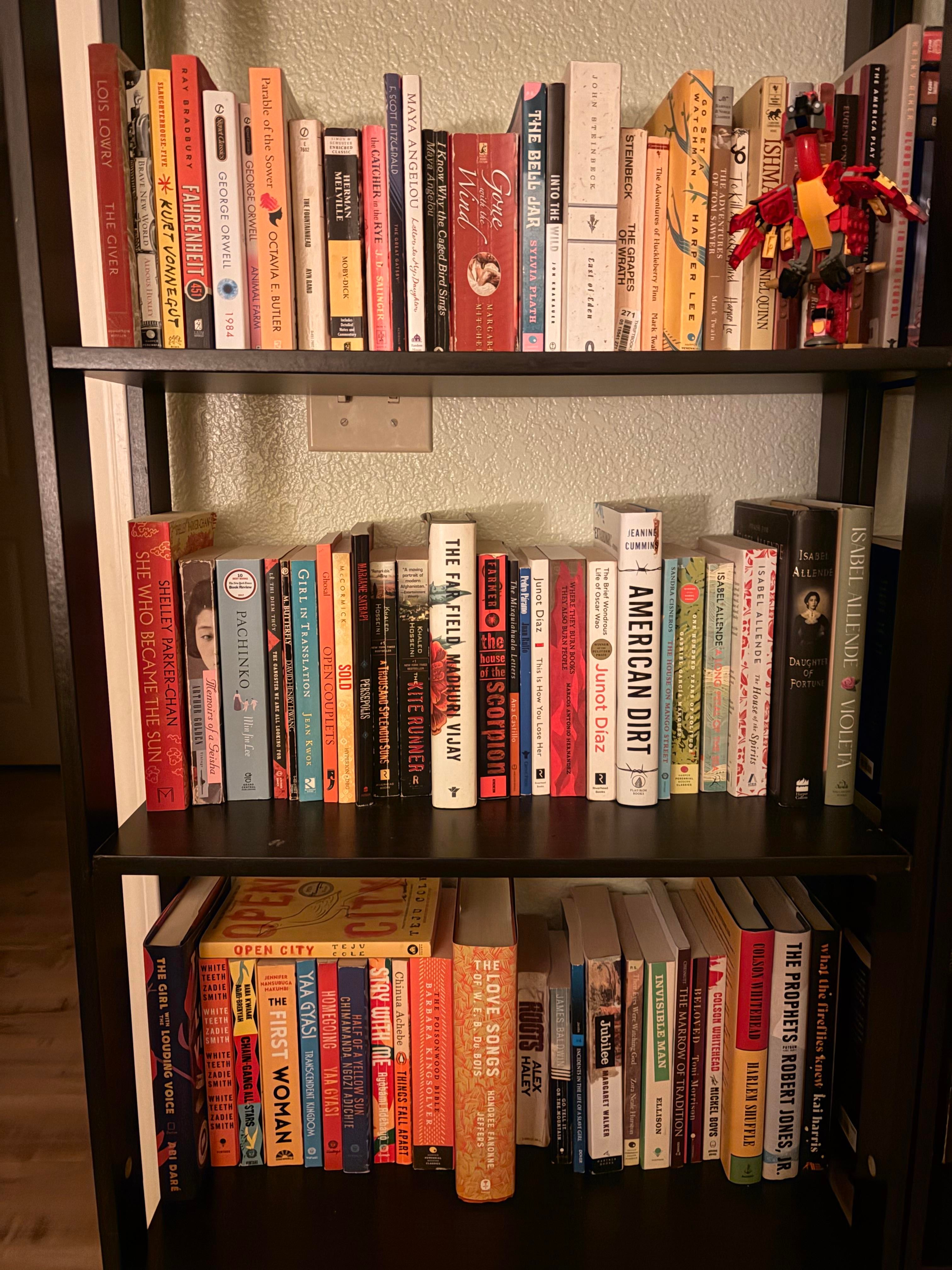
Sep 9, 2026
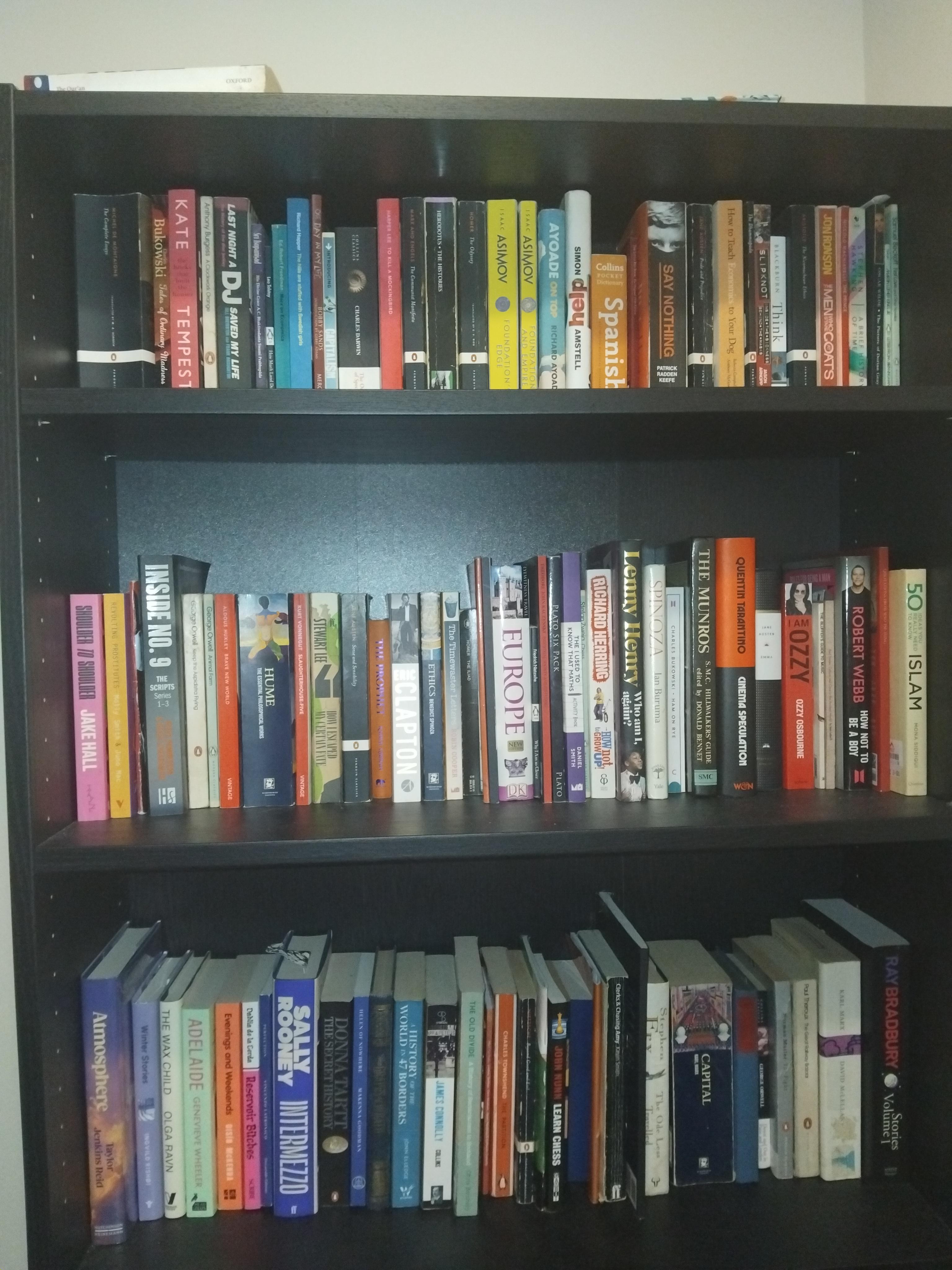
Sep 9, 2026
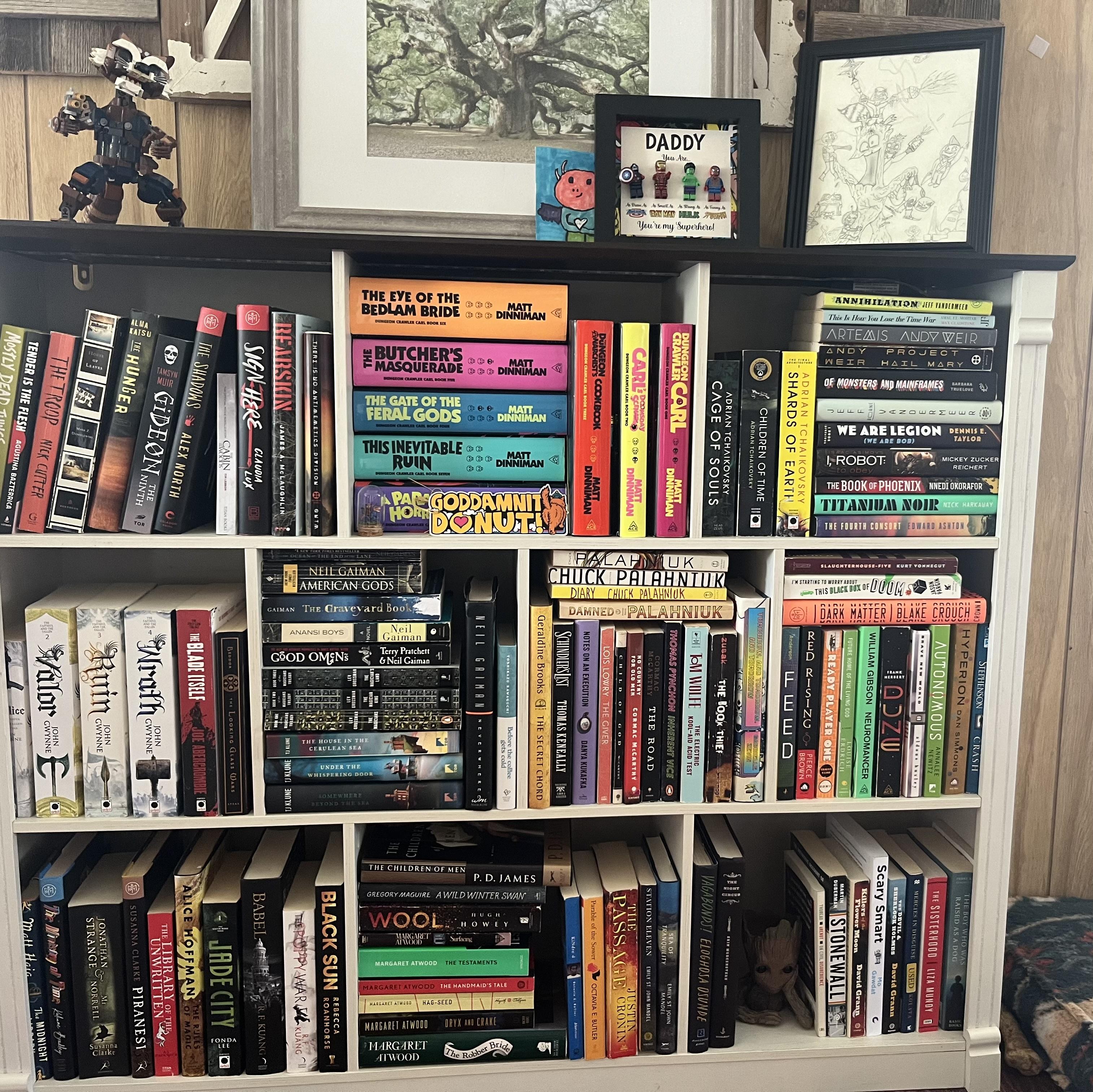
Sep 7, 2026
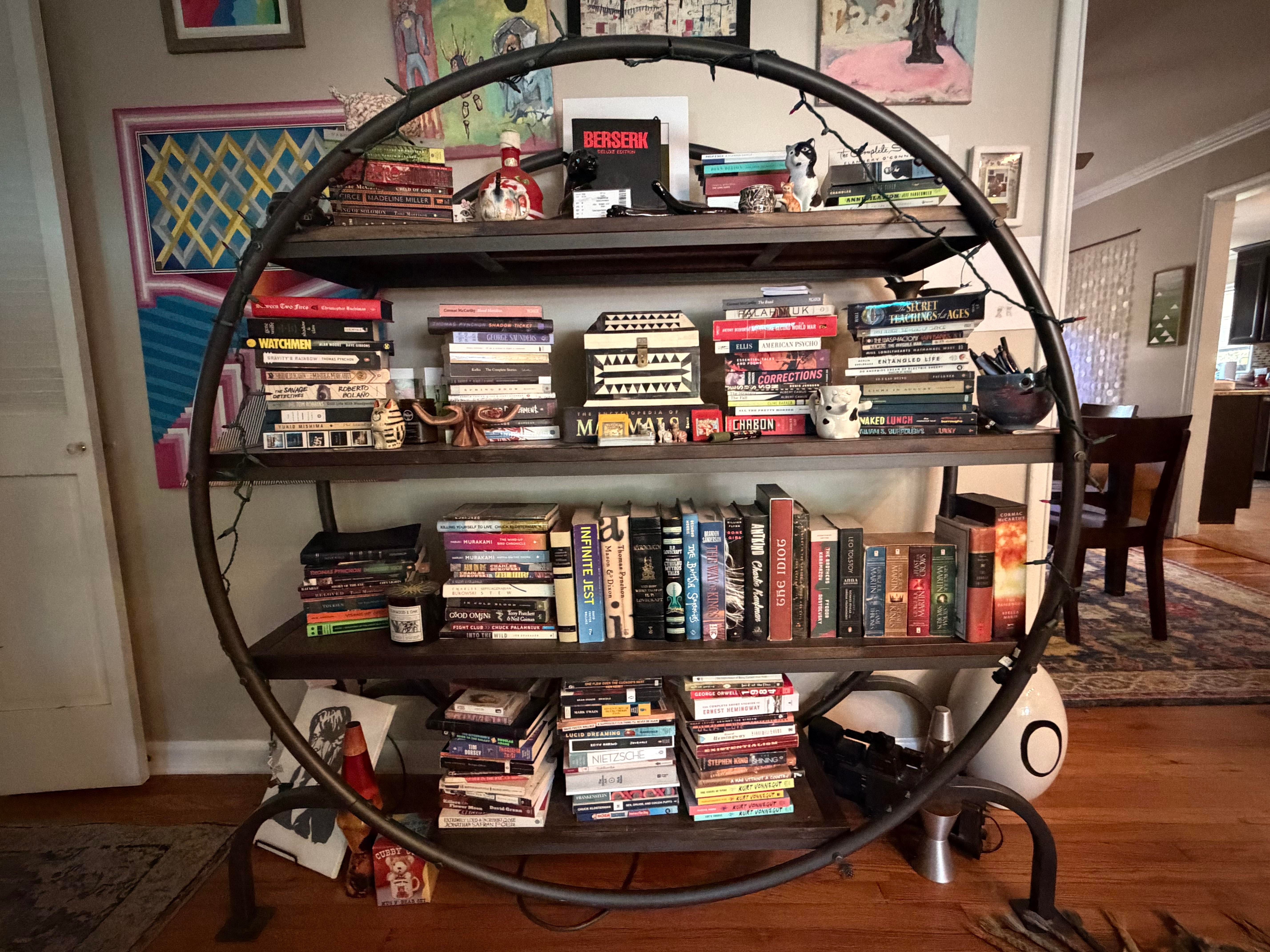
Sep 2, 2026
Sep 2, 2026
Aug 20, 2026
Aug 3, 2026
Jul 11, 2026
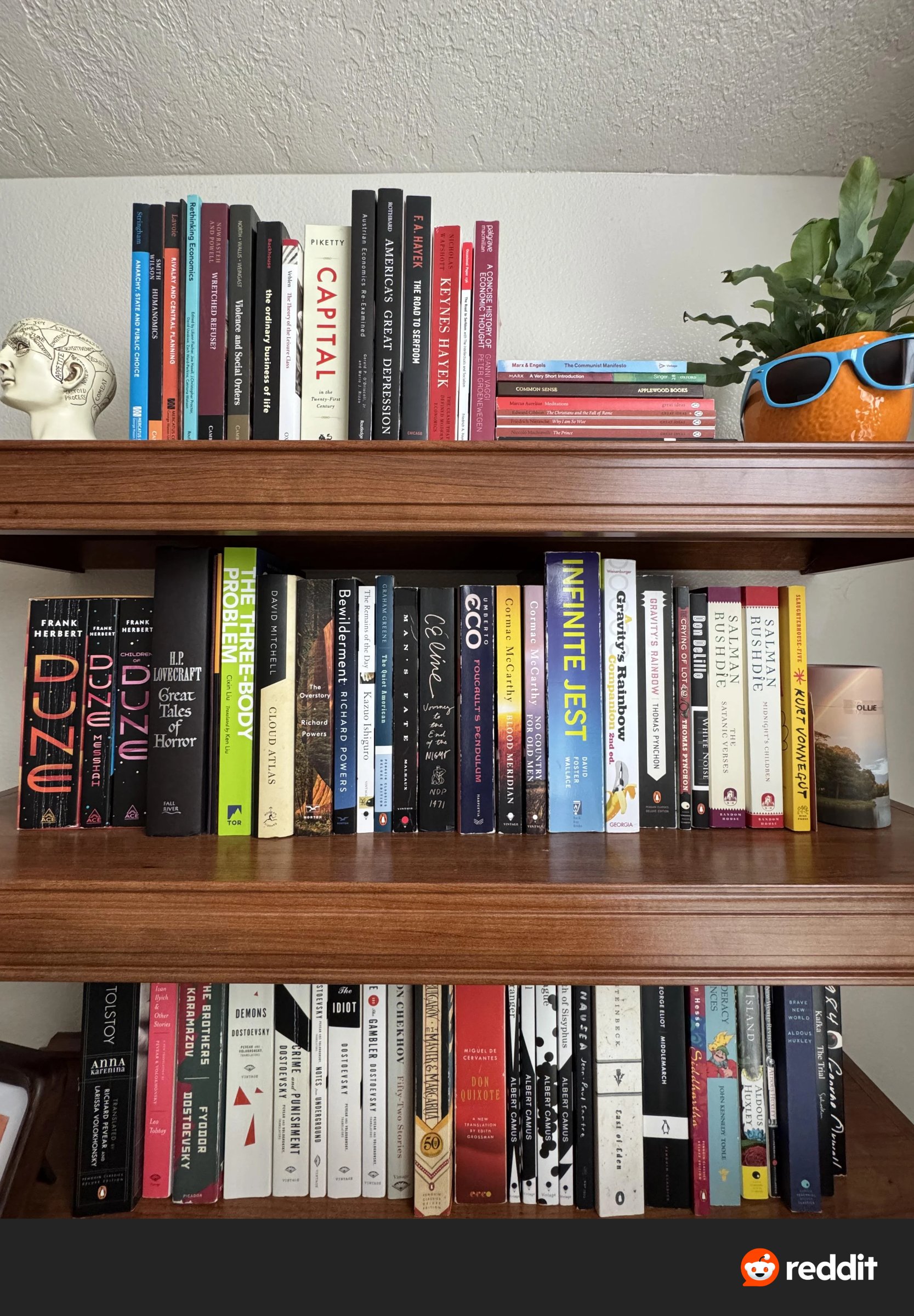
Jun 11, 2026
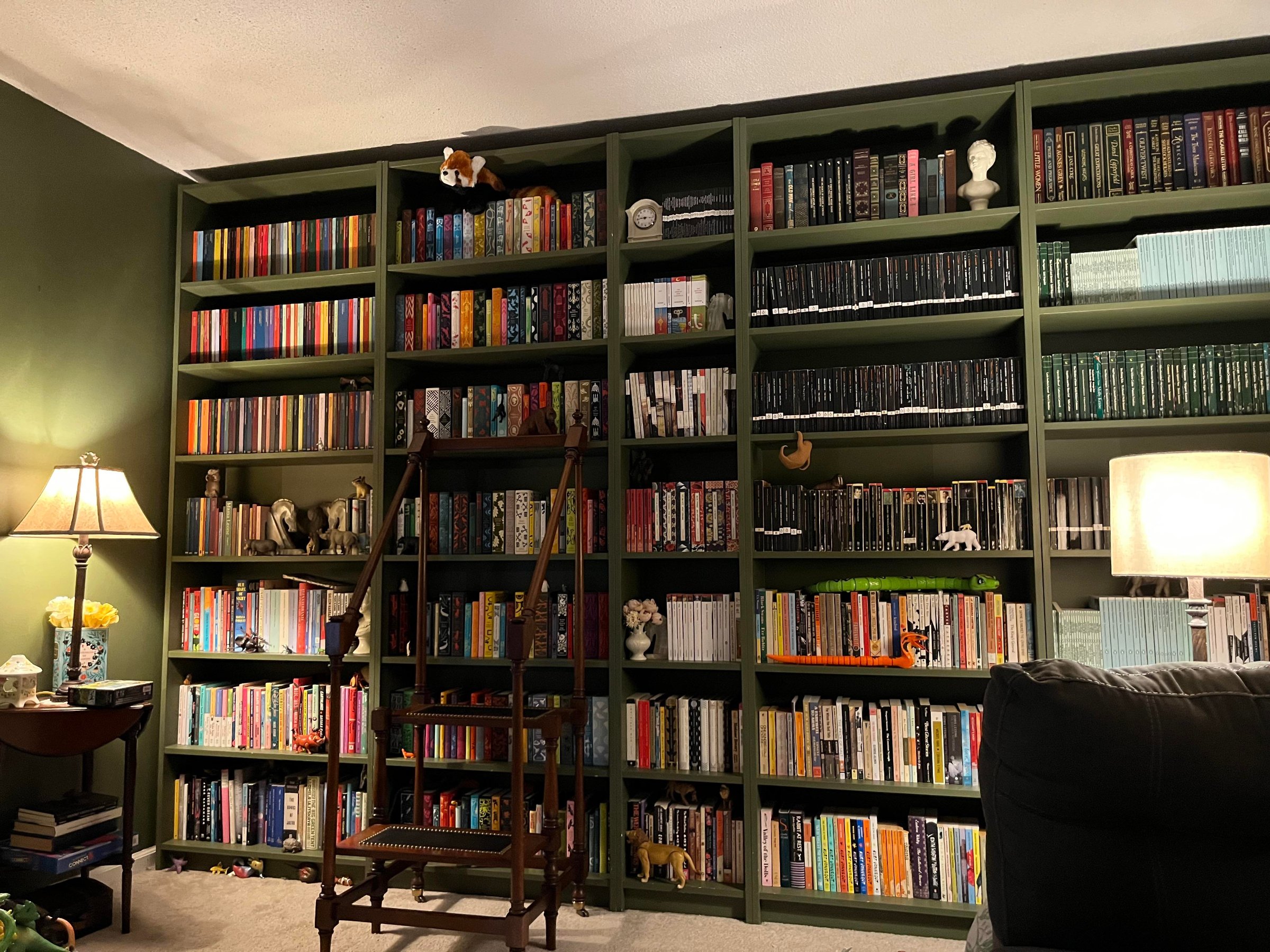
Jun 10, 2026